Emigrating to Belgium Visa, safety, costs and climate in Belgium: a reality check
Moving to Belgium: key answers at a glance
✓ Visa-free entry: Entry with a national ID card is possible; registration is required for longer stays.
✓ Economically stable: Moderate growth, a prosperous country with a strong service sector.
✓ Good safety situation: Low crime rate, although pickpocketing can occur.
✓ Strong healthcare system: Access through social security and a health insurance fund; many services are reimbursed.
✓ Temperate maritime climate: Mild summers and cool winters, with regular rainfall throughout the year.
✓ Linguistically diverse: Depending on the region, Dutch, French and German are official languages.
✓ Special feature: Strong regional identities with a distinctive food culture.
✓ Moving with pets: Easy to plan within the EU, but the requirements are essential.
Moving abroad made easy with DACHSER & KOLB. Use our moving cost calculator. Get a quote and consultation. Book a tour. Move.
Facts about Belgium

Capital City
Brussels

Population
11.83 million

Surface Area
30,688 km²
Continent
Europe

Official Language
Dutch, French, German

Currency
Euro (EUR)
What are the customs, visa and entry requirements for Belgium?
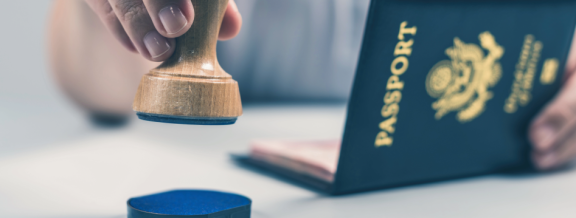
German citizens who want to move to Belgium benefit from freedom of movement within the EU. In principle, a valid identity document is sufficient for entry. The key steps come after arrival: anyone planning to live, work or study in Belgium for more than three months must register with the responsible municipality at their place of residence.
Required documents for entry:
- Passport: Yes
- Temporary passport: Yes
- Identity card: Yes
- Provisional identity card: Yes
- Children's passport: Yes
Tip for expats: When moving to Belgium, entry itself is usually not the bottleneck. The critical part is completing the registration process properly after the move. Take care of your residential address, municipal registration, proof of residence and social security at an early stage.
Is Belgium economically attractive and what are the living costs?
Belgium is one of Europe’s economically stable and prosperous countries. Brussels, Antwerp, Ghent and Leuven are particularly attractive for skilled professionals, expats and international companies. At the same time, expats should budget realistically: rent, living costs, taxes and social security contributions can have a significant impact depending on the region and lifestyle.
Key facts at a glance:
-
Economy with stable GDP growth of around 1.1%
-
Income distribution: Gini coefficient = 26.8 (0 = complete equality; 100 = maximum inequality)
-
Good opportunities in EU institutions, logistics, chemicals, pharmaceuticals, IT and services
-
Brussels and Antwerp as strong business locations
-
Living costs vary by region, especially higher in Brussels
-
High contributions, but strong public services
Tip for expats: Do not automatically budget for Belgium as a cheaper neighbouring country. The business case depends heavily on place of residence, employment contract, language, tax status and commuting routes.
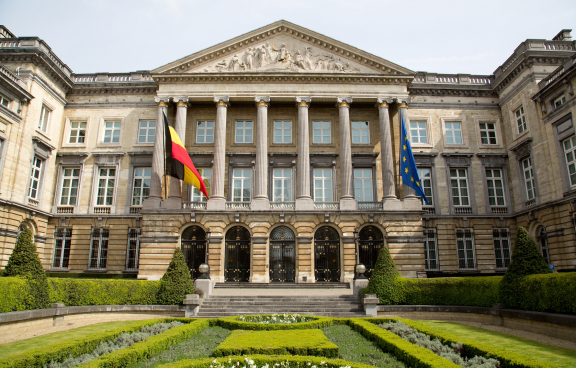
Safety in Belgium: what do expats need to know?
Belgium is a politically stable and well-developed EU country with a high quality of life. For expats, this is a clear advantage. Nevertheless, safety, residential location and mobility should not be overlooked, especially in larger cities such as Brussels, Antwerp, Liège or Charleroi.
What expats should know:
-
Overall stable safety situation
-
Good infrastructure for everyday life
-
Check the residential area carefully before signing a contract
-
Be aware of pickpocketing in tourist areas
-
Factor in regional differences between urban and rural areas
Tip for expats: In Belgium, safety is less a general issue and more a question of location. Those who carefully check the neighbourhood, commute, schools, childcare and transport connections in advance will have a much more stable start.
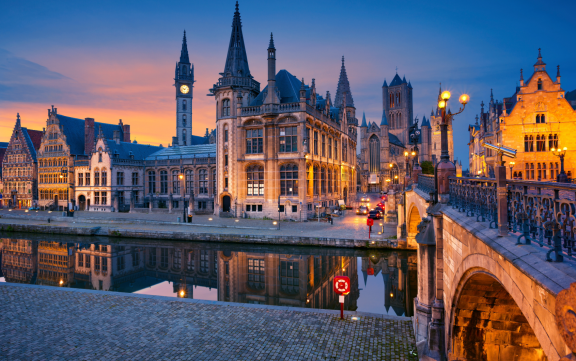
What is the healthcare system like in Belgium?
Belgium has an efficient healthcare system with mandatory statutory health insurance. Access is usually provided through social security and membership in a health insurance fund, often referred to as a “mutuelle” or “ziekenfonds”. Many services are partially reimbursed, while supplementary insurance can be useful for dental treatment or additional hospital comfort, for example.
Important before moving:
-
Clarify registration and social security
-
Choose a health insurance fund, mutuelle or ziekenfonds
-
Check the European Health Insurance Card for the transition period
-
Understand the reimbursement system and personal contributions
-
Keep invoices and receipts carefully
-
Check supplementary insurance depending on your needs
Tip for expats: The Belgian healthcare system is strong, but not self-explanatory. Clarify registration, health insurance fund, reimbursement logic and transition coverage early so that medical care does not become a problem area.

Are you planning to move to Belgium?
With structured preparation, you can avoid financial surprises. Our moving cost calculator provides clarity—it's simple, convenient, and takes just a few steps.
What is the climate like in Belgium?
Belgium has a temperate maritime climate. Summers are usually mild to warm, while winters are cool but rarely extreme. Rainfall is a factor throughout the year, and the weather can change quickly. The Ardennes in particular are cooler and wetter than coastal areas or urban regions.
What the climate means for daily life:
-
Mild summers and cool winters
-
Regular rainfall throughout the year
-
Changeable weather across the seasons
-
The Ardennes are cooler and wetter than coastal regions
-
Plan your moving date with the weather and season in mind
Tip for expats: The Belgian climate is manageable, but changeable. Those who factor in rain, humidity and regional differences will be able to plan everyday life and the move more realistically.

What defines language, culture and everyday life in Belgium?
Belgium is culturally and linguistically diverse. Anyone moving to Belgium should understand the country’s regional structure: Dutch dominates in Flanders, French in Wallonia, German in the German-speaking Community, and in Brussels both French and Dutch are official languages, while English is widely used in international environments. This linguistic landscape shapes public administration, schools, the labour market and social integration.
What really helps in everyday life:
-
Prepare for the language of your target region
-
Respect regional identities and differences
-
Communicate directly but politely
-
Food culture: beer, chocolate, fries and shared meals
-
Brussels is international, urban and politically influenced
Tip for expats: Belgium is strongly shaped by regional belonging, personal contacts and cultural understanding. Those who not only learn the language of their target region, but also take local habits, food culture and social customs seriously, will settle into everyday life more quickly.
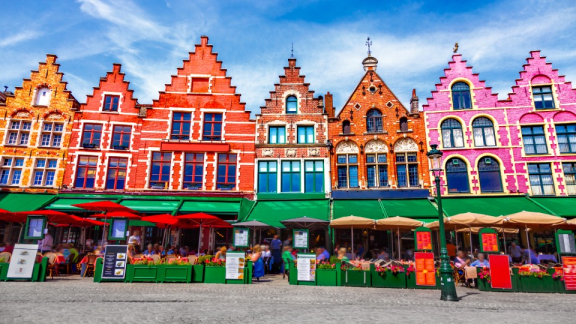
What makes Belgium special?
Belgium stands for European diversity in a compact space: international politics in Brussels, strong economic regions, historic cities, the North Sea coast, the Ardennes and a distinctive food and dining culture. The country combines urban life, good accessibility and regional identities in a unique way. This mix is exactly what makes Belgium attractive for many expats.
In detail:
-
Brussels as a European and international hub
-
Three official languages and strong regional identities
-
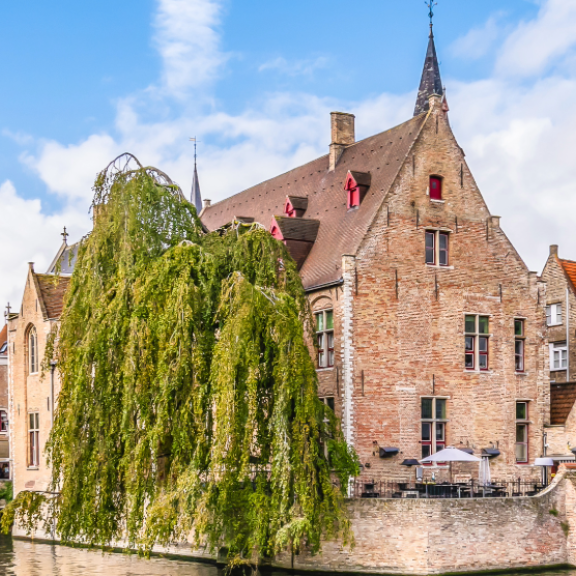
Historic cities such as Bruges, Ghent and Antwerp
-
Good location between Germany, France and the Netherlands
-
North Sea coast and Ardennes as leisure regions
-
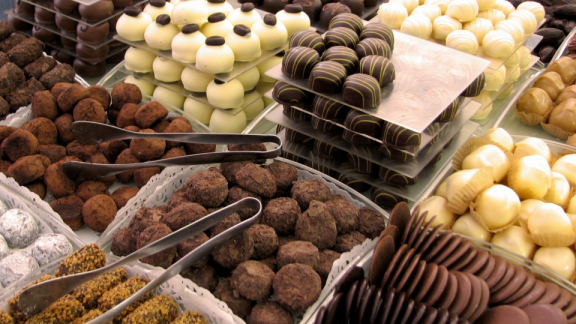
Known for chocolate, beer, fries and culinary culture
Tip for expats: Belgium does not work according to one single pattern. Those who understand the regional differences and choose the right location can make much better use of the country’s advantages.
What should you bear in mind when moving to Belgium with pets?
Moving with pets to Belgium is generally easy to plan within the EU. EU rules apply to dogs, cats and ferrets. An EU pet passport, microchip and valid rabies vaccination are particularly important. For other animal species or special cases, the requirements should be checked separately in advance.
What you should keep in mind:
- Obtain a veterinary health certificate
- Provide complete proof of vaccination status
- Get your pet used to the carrier before the flight
- Check airline and transit regulations separately
- Minimize stress for your pet on moving day
- Actively help your pet adjust to the new home
Tip for expats: Lead time is critical when moving with pets. Check vaccination status, documents, transport route and animal welfare early so that the move to Belgium runs smoothly for both people and animals.

Who is Belgium best suited for as a emigration destination?
Belgium is particularly suitable for people looking for professional opportunities, European proximity, good infrastructure and cultural diversity. The country is a good fit for skilled professionals, expats, families, EU-related career profiles and people who want to stay well connected to Germany. Belgium is less suitable for those expecting simple bureaucracy, low contributions or a uniform language and administrative culture.
Checklist before moving to Belgium:
✓ Clarify visa, passport and entry requirements
✓ Take out health insurance
✓ Plan your place of residence, accommodation and transition period
✓ Create a realistic budget, including a financial safety buffer
✓ Prepare your household goods and customs documents
✓ Focus on improving your language skills
Conclusion: Belgium is a strong destination for expats, but not a country for unplanned quick starts. Those who prepare their location, language, bureaucracy, costs and insurance in a structured way have very good chances of making a stable new start.


FAQ – What do I need to know about moving to Belgium?
Do German citizens need a visa for Belgium?
No, German citizens do not need a traditional visa for Belgium. A valid national ID card or passport is sufficient for entry. However, anyone staying for more than three months must register with the municipality at their place of residence.
Can I enter Belgium with a national ID card?
Yes, German citizens can enter Belgium with a valid national ID card or passport. Temporary documents and children’s passports are also accepted.
Is Belgium expensive?
Belgien ist kein Niedrigkostenland. Die Lebenshaltungskosten hängen stark vom Wohnort ab. Besonders Brüssel und beliebte Stadtlagen können teuer sein. Dafür profitieren Auswanderer von guter Infrastruktur, hoher Lebensqualität und starken öffentlichen Leistungen.
Which language do I need in Belgium?
It depends heavily on the region. Dutch is essential in Flanders, French in Wallonia and German in the German-speaking Community. In Brussels, English is often helpful, but it does not always replace French or Dutch.
How do I get access to the healthcare system?
After registering and being integrated into the Belgian social security system, residents usually register with a health insurance fund, known as a mutuelle or ziekenfonds. Many healthcare costs are partially reimbursed.
Can I bring my pet to Belgium?
Yes, this is easy to plan within the EU. For dogs, cats and ferrets, an EU pet passport, microchip and valid rabies vaccination are particularly important.
What makes Belgium special as a destination for expats?
Belgium combines international career opportunities, European proximity, cultural diversity and strong infrastructure. At the same time, expats should realistically factor in the regional language structure, bureaucracy and contributions.
Are you interested in moving to Belgium or another destination country?
Then do not hesitate and contact us today.
Donna Draganov
Teamlead Customer Service & Sales - ROAD