Emigrating to Denmark Visa, safety, costs and climate in Denmark: a reality check
Emigrating to Denmark: The most important answers first
✓ Visa-free entry: A valid ID card or passport is sufficient; registration is required for longer stays.
✓ Prosperous economy: Stable growth and a strong labour market.
✓ Excellent safety level: High personal security, but weather warnings should be taken seriously.
✓ Strong healthcare system: Registration and a CPR number are required.
✓ Temperate maritime climate: Winters are generally wet and windy, while summers are mild.
✓ Language skills: English is widely spoken, but Danish is essential for full integration and career development.
✓ Special feature: Outstanding quality of life, with “hygge” as a central part of Danish culture.
✓ Moving with pets: Possible with proper preparation in line with EU requirements.
Relocating made easy with DACHSER & KOLB. Use our moving cost calculator. Get a quote and consultation. Book a tour. Move.
Facts about Denmark

Capital City
Copenhagen

Population
6.03 million

Surface Area
42.952 km²

Continent
Europe

Official Language
Danish

Currency
Danish crown (DKK)
What Are the Customs, Visa and Entry Requirements for Denmark?
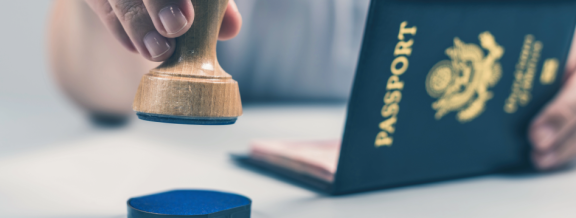
German citizens who want to move to Denmark benefit from freedom of movement within the EU. In principle, a valid identity document is sufficient for entry. The key steps come after arrival: anyone planning to live, work or study in Denmark for a longer period should organise their registration, residence address, CPR number — the personal ID number in Denmark — and health insurance card at an early stage.
Required documents for entry:
- Passport: Yes
- Temporary passport: Yes
- National ID card: Yes
- Temporary national ID card: Yes
- Children’s passport: Yes
Tip for expats: When moving to Denmark, entry itself is usually not the bottleneck. The critical part is completing the registration process properly after the move. Take care of your residence address, EU residence document, CPR number and health insurance card as early as possible.
Is Denmark economically attractive and what are the living costs?
Denmark is one of Europe’s stable and prosperous economies. The country is particularly attractive for skilled professionals, expats and families thanks to its strong labour market, infrastructure, digitalisation and social security system. At the same time, anyone moving to Denmark should budget realistically: housing, groceries, mobility and taxes are generally higher than in Germany.
Key facts at a glance:
- Stable economy with GDP growth of around 3.5%
- Income distribution: Gini coefficient = 29.9 (0 = complete equality; 100 = maximum inequality)
- Good opportunities in IT, healthcare, pharmaceuticals, logistics and green technologies
- High cost of living, especially in Copenhagen
- High taxes, but strong public services
- Good work-life balance and flexible work culture
Tip for expats: Do not budget for Denmark as a low-cost fresh start, but as a high-quality location with higher fixed costs. The business case works best when salary, place of residence and family planning are properly aligned.
Safety in Denmark: what do expats need to know?
Denmark is considered a safe and politically stable country with well-functioning institutions. For expats, this is a clear location advantage. Nevertheless, everyday risks, regional differences, housing options and mobility should be assessed realistically, especially in larger cities such as Copenhagen, Aarhus or Odense.
What expats should know:
- Overall high level of personal safety
- Stable political and social structures
- Good infrastructure for everyday life
- Take bicycle traffic and traffic rules seriously
- Pay attention to weather and storm warnings
Tip for expats: Safety is a major advantage in Denmark, but it does not replace a proper location check. Those who assess commuting routes, schools, childcare, public transport and the local neighbourhood in advance will have a much more stable start.
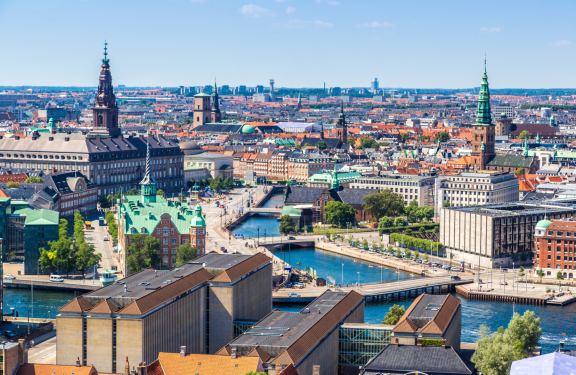
What is the healthcare system like in Denmark?
The Danish healthcare system is tax-funded and highly effective for registered residents. After registration, expats usually receive a CPR number and the yellow health insurance card. This card is the central proof of access to medical care and also shows the assigned general practitioner.
Important before moving:
- CPR number as the basis for access to the healthcare system
- Yellow health insurance card after registration
- General practitioner model as the first point of contact
- Check the European Health Insurance Card for the transition period
- Budget separately for dental treatment and additional services
- Consider private supplementary insurance depending on your needs
Tip for expats: Do not wait until your first doctor’s appointment to organise medical coverage. For a smooth start, CPR number, health insurance card, medication and insurance coverage should all be part of your relocation planning.

Are you planning to move to Denmark?
With structured preparation, you can avoid financial surprises. Our moving cost calculator provides clarity—it's simple, convenient, and takes just a few steps.
What is the climate like in Denmark?
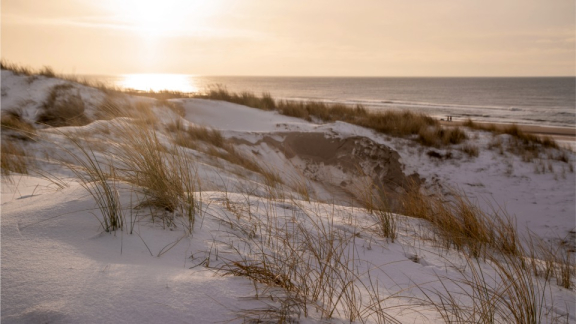
Denmark has a temperate maritime climate. Summers are usually mild, while winters tend to be wet and windy rather than extremely cold. For expats, this means the weather is rarely dramatic, but often changeable. Wind, rain and short winter days can have a greater impact on everyday life than expected.
What the climate means for daily life:
- Mild summers and wet winters
- Frequent wind due to the coastal location
- Changeable weather throughout the year
- Short days in winter, long days in summer
- Plan your moving date with the weather and season in mind
Tip for expats: The Danish climate is manageable, but should not be underestimated. Those who prepare for wind, rain and darker winter months will settle into everyday life much more easily.
What defines language, culture and everyday life in Denmark?
Denmark is international, digital and well organised. Many Danes speak English, but Danish remains the key to integration, public authorities, the labour market and social contacts. Culturally, Denmark is strongly shaped by equality, trust, restraint and a rather direct but polite communication style. Anyone planning to live in Denmark long term should therefore not treat language and culture as secondary topics.
What really helps in everyday life:
- Build Danish language skills step by step
- English is often enough to get started, but not for everything
- Direct, polite communication on equal terms
- Punctuality, reliability and personal responsibility
- Digital public administration is part of everyday life
- Hygge, community and work-life balance shape the lifestyle
Tip for expats: Danish is not just a nice-to-have; it is a key driver of integration. Learning the language reduces dependencies and significantly improves both professional and personal opportunities.
What makes Denmark special?
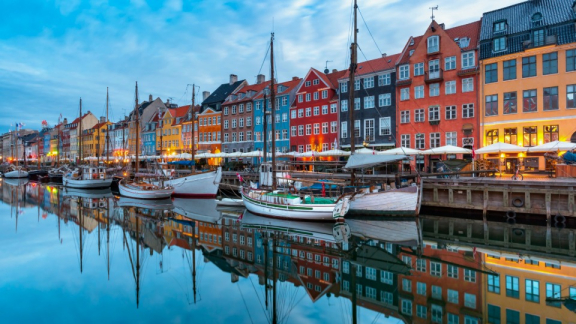
Denmark is internationally known for its high quality of life, hygge, design, cycling culture, sustainability and strong balance between work and private life. Hygge describes a way of life that focuses on cosiness, conscious togetherness, slowing down and well-being – whether at home, with friends, in a café or in everyday working life. The country is modern, digital and efficiently organised, while still remaining deliberately down-to-earth in many areas of life.
In detail:
- High quality of life
- Strong work-life balance
- Hygge: cosiness, community and mindful everyday living
- Sustainability and renewable energy
- Bicycle-friendly cities
Tip for expats: Hygge is more than an interior design trend; it represents the Danish way of consciously shaping everyday life and quality of life. Those who value clear structures, personal responsibility and a good balance between work and private life will find a strong environment in Denmark.

What should you consider when moving to Denmark with pets?
Moving with pets to Denmark is generally easy to plan within the EU. However, clear requirements apply to dogs, cats and ferrets. Key requirements include an EU pet passport, microchip and valid rabies vaccination. Expats should also be aware that Denmark has special rules for certain dog breeds.
What you should consider:
- EU pet passport required
- Full proof of rabies vaccination status
- Train your pet to use the transport box before the flight
- Check airline and transit rules separately
- Check special rules for certain dog breeds
- Actively support your pet’s adjustment at the new place of residence
Tip for expats: Lead time is critical when moving with pets. Check vaccination status, documents, airline requirements and Danish special rules early so that the move runs smoothly for both people and animals.
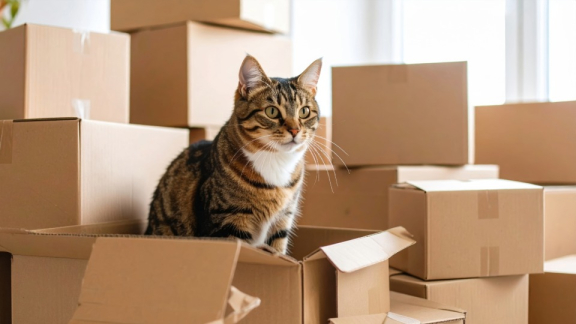
Who is Denmark a suitable destination for?
Denmark is particularly suitable for people looking for a high quality of life, safety, professional opportunities and a well-organised environment. The country is a good fit for skilled professionals, families, expats and people returning from international careers. Denmark is less suitable for those expecting very low living costs, permanently warm weather or a completely straightforward start without bureaucracy.
Checklist before moving to Denmark:
✓ Clarify visa, passport and entry requirements
✓ Take out health insurance
✓ Plan your place of residence, accommodation and transition period
✓ Create a realistic budget, including a financial safety buffer
✓ Prepare your household goods and customs documents
✓ Focus on improving your Danish language skills
Conclusion: Denmark is a strong destination for expats, but it is not a guaranteed success. Those who plan in a structured way, budget realistically and prepare both linguistically and culturally have very good chances of making a stable new start.

FAQ – What do I need to know about moving to Denmark?
Do German citizens need a visa for Denmark?
No, German citizens do not need a traditional visa for Denmark. However, anyone planning to stay longer should organise their registration as an EU citizen and apply for a CPR number at an early stage.
Can I enter Denmark with a national ID card?
Yes, German citizens can enter Denmark with a valid national ID card or passport.
Is Denmark expensive?
Yes, Denmark has a high cost of living. Housing, dining out, services and certain consumer goods in particular can be costly. At the same time, wages, public services and quality of life are also high.
Is English enough to live in Denmark?
Often yes, at least to get started. However, Danish is clearly beneficial for integration, dealing with public authorities, career development and social contacts.
How do I get access to the healthcare system?
After registering in Denmark, residents receive a CPR number and the yellow health insurance card. This card is the central proof of access to the public healthcare system.
Can I bring my pet to Denmark?
Yes, but EU rules apply to dogs, cats and ferrets, including an EU pet passport, microchip and rabies vaccination. For dogs, Danish breed-specific regulations should also be checked.
What makes Denmark special as a destination for expats?
Denmark stands out for its high quality of life, safety, modern public administration, strong work-life balance and hygge culture. At the same time, expats should realistically factor in the high cost of living, taxes and the importance of the Danish language.
Are you interested in moving to Denmark or another destination country?
Then do not hesitate and contact us today.
Donna Draganov
Teamlead Customer Service & Sales - ROAD