Emigrating to Iceland Visa, safety, costs and climate in Iceland: a reality check
Eimgrating to Iceland: The most important answers first
✓ Visa-free entry: A valid ID card or passport is sufficient; registration is required for long-term stays.
✓ Strong economy: A wealthy country, but small and export-oriented.
✓ Mixed safety profile: Low crime, but significant natural hazards.
✓ High-quality healthcare system: Healthcare services are subsidised.
✓ Cold climate: Generally maritime and harsh, but changeable with strong winds.
✓ Language skills: Icelandic is beneficial for long-term integration, while English is usually sufficient for everyday life.
✓ Special feature: A unique combination of extreme nature, high quality of life, and excellent energy supply.
✓ Moving with pets: Possible, but strictly regulated.
Relocating made easy with DACHSER & KOLB. Use our moving cost calculator. Receive a quote and consultation. Book a tour. Move.
Facts about Iceland

Capital City
Reykjavík

Population
394,324

Surface Area
103,125 km²

Continent
Europe

Official Language
Icelandic

Currency
Icelandic króna (ISK)
What are the customs, visa, and entry requirements for Iceland?
For German citizens, moving to Iceland is formally much easier than relocating to many non-EU countries. Although Iceland is not part of the EU, it is a member of the EEA and the Schengen Area. Valid identification documents are sufficient for entry; however, registration becomes relevant for longer-term stays. Anyone bringing household goods to Iceland should also review the customs rules at an early stage, as personal belongings are often exempt from duties, but only under specific conditions.
Documents required for entry:
- Passport: Yes
- Temporary passport: Yes
- National ID card: Yes
- Temporary national ID card: Yes
- Child’s passport: Yes
Tip for expats: When moving to Iceland, first clarify your residence status and registration requirements, then organise the move itself. Especially when it comes to household goods, deadlines, length of ownership, and proper documentation are crucial.
Is Iceland economically attractive and how high are the living costs?
Iceland remains economically attractive, but it is not a mass market. The country is wealthy, yet at the same time small, export-oriented, and vulnerable to external fluctuations. The OECD (Organisation for Economic Co-operation and Development) describes Iceland as one of the wealthiest countries in the OECD area, while also pointing to its strong dependence on natural resources and the need for further diversification.
Key facts at a glance:
- Robust GDP growth of 1.9%
- Income distribution: Gini coefficient = 26.8 (0 = perfect equality; 100 = maximum inequality)
- Small, wealthy, and volatile market
- Key industries: tourism, fisheries, aluminium, and energy
- High housing and living costs
- Reykjavík as the main centre for work and living
- Labour market is small, sector-specific, and partly seasonal
Tip for expats: Iceland is not a one-size-fits-all market from an economic perspective. Anyone planning to relocate should base the decision on industry, region, language, and cost structure — not simply on the country’s image.
How safe is Iceland for expats?
Overall, Iceland is considered a very safe country with low crime rates. For that very reason, the main risk profile for expats is usually less about conventional crime and more about weather, road conditions, and natural hazards. Although crime levels are generally low, pickpocketing can still occur in Reykjavík and at popular tourist hotspots. Icelandic safety authorities also emphasise that weather and road conditions can change very quickly.
What expats should know:
- Overall crime rate is low
- Pickpocketing can occur in Reykjavík and tourist hotspots
- Weather and road conditions can change rapidly
- Natural hazards include storms, earthquakes, volcanic activity, and flooding
- Rural roads and winter conditions should be assessed realistically
- Good preparation is part of staying safe
Tip for expats: In Iceland, safety is primarily a matter of nature and infrastructure. Anyone who plans their location, commute, vehicle, winter readiness, and weather strategy properly can significantly reduce operational risks.
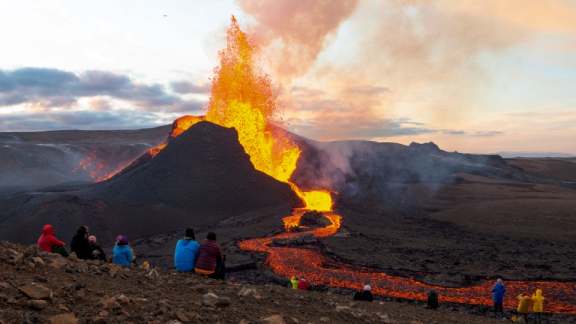
How good is the healthcare system in Iceland?
Iceland’s healthcare system is of a high standard and a clear location advantage for many expats. Public healthcare services are subsidised, and anyone living legally in Iceland is generally integrated into the Icelandic health insurance system. The key issue, however, is access: as a rule, automatic coverage begins after six months of legal residence, although EEA citizens may, under certain conditions, be able to transfer their insurance earlier. That is exactly why insurance status should be clarified carefully before moving.
Important before relocating:
- High-quality public healthcare system
- Automatic coverage generally begins after 6 months
- EEA citizens may be able to arrange an earlier insurance transfer
- Transitional insurance is often relevant
- Medication and supporting documents should be coordinated in advance
- Check co-payments and benefits realistically
Tip for expats: Do not make assumptions when it comes to healthcare. In Iceland, the key factor is less the quality of care than the correct route of access — so clarify insurance, deadlines, and documentation before the move.

Are you planning to move to Iceland?
With structured preparation, you can avoid financial surprises. Our moving cost calculator provides clarity—it's simple, convenient, and takes just a few steps.
What is the climate like in Iceland?
Anyone moving to Iceland is not entering a stereotypical world of constant cold, but rather a maritime, rugged, and highly changeable climate. Temperatures in the south are generally higher than in the north, the highlands are significantly colder, and wind plays a major role in everyday life. In addition, there is a marked contrast between long, bright summers and very dark winter periods. It is precisely this combination that shapes housing, mobility, and resilience in daily life.
What this climate means for everyday life:
- Cool, maritime climate
- Weather often changes very quickly
- Milder in the south, colder in the north
- Highlands significantly harsher
- Dark winters, very long summer days
- Wind is a real factor in daily life
Tip for expats: Climate in Iceland is not a minor issue. Your location, clothing, car, daylight exposure, and personal resilience all need to match the country — otherwise fascination can quickly turn into friction in everyday life.
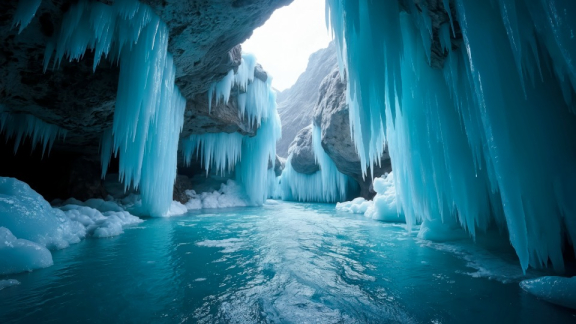
What shapes language, culture, and everyday life in Iceland?
Anyone moving to Iceland should not define the country only by its nature and tranquillity. Icelandic is the official language and remains the key factor for long-term integration. At the same time, Iceland is socially modern, peaceful, and strongly oriented towards freedom, equality, and quality of life. Society is small, well connected, and often more direct and informal than many expats may be used to from larger countries.
What really helps in everyday life:
- Icelandic is the official language
- Small, well-connected society
- Modern, progressive everyday culture
- Equality is strongly embedded in society
- Direct communication is helpful in daily life
- Regional and social closeness is clearly noticeable
Tip for expats: In Iceland, language plays a bigger role in long-term integration than many people initially expect. Anyone who develops at least everyday Icelandic skills will gain clear advantages in integration, job prospects, and building a social network.
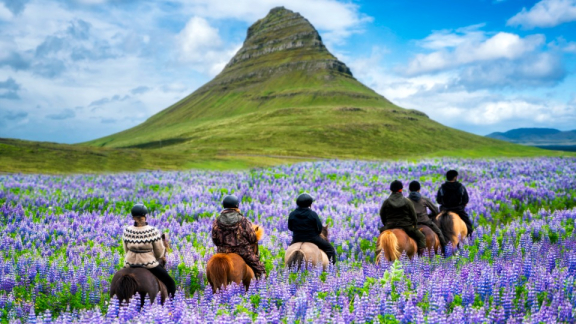
What makes Iceland particularly attractive as a destination for expats?
Iceland stands out above all because of its unique combination of extreme nature, high quality of life, and exceptional energy supply. Known as the “land of fire and ice,” the country generates almost all of its electricity from renewable sources and uses geothermal energy in everyday life far beyond power generation — for example for heating, swimming pools, and even to help keep walkways free of snow. It is precisely this combination that makes Iceland such a distinctive place to live.
In detail:
- Land of fire and ice
- Almost 100% of electricity from renewable sources
- Geothermal energy shapes everyday life
- Volcanoes and glaciers in close proximity
- Very small society with a high quality of life
- Extreme light and dark cycles throughout the year
Tip for expats: Iceland is not a standard Scandinavian solution. The country’s strength lies precisely in its own unique logic — nature, energy, society, and everyday life are much more directly interconnected here.
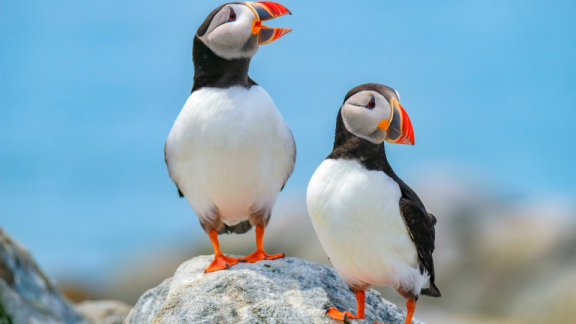
What should you bear in mind when moving to Iceland with pets?
Moving with pets to Iceland is possible, but it is regulated much more strictly than in many other European countries. Clear veterinary requirements apply to pets, an import permit is mandatory, and quarantine is required after arrival. In addition, health certificates, vaccinations, and tests are necessary. For pet owners, this means significantly more lead time, closer coordination, and far less room for spontaneous planning.
What you should keep in mind:
- Obtain a veterinary health certificate
- Provide complete proof of vaccination status
- Get your pet used to the carrier before the flight
- Plan for quarantine after arrival
- Check airline and transit regulations separately
- Minimize stress for your pet on moving day
- Actively help your pet adjust to the new home
Tip for expats: When moving with pets, it’s not about improvisation, but timing. Starting early reduces stress, avoids paperwork errors, and ensures a much smoother process.

Who is Iceland best suited for as a emigration destination?
Iceland is particularly well suited to people who value stability, safety, nature, quality of life, and a well-organised environment — and who can also cope with high costs, extreme weather, and a small market. The country is especially suitable for skilled professionals in relevant sectors, people with strong self-organisation, nature-oriented expats, and those looking not for a mass market but for a structured, small-scale system. Iceland is less suitable for anyone expecting low living costs, broad urban variety, or a large labour market. This assessment is based on residence requirements, cost structure, labour market size, safety, and climate.
Checklist before moving to Iceland:
✓ Clarify visa, passport, and entry requirements
✓ Set up healthcare and insurance coverage
✓ Plan your location, housing, and transition phase
✓ Calculate a realistic budget, including a buffer
✓ Prepare your household goods and customs documents
✓ Focus on improving your Spanish skills
Conclusion: Iceland is a strong destination for expats who truly want structure, safety, and nature — not just as an image, but as part of everyday life.


FAQs about emigrating to Iceland
Do I need a visa to move to Iceland?
German citizens do not need a visa to enter Iceland. However, anyone planning to live in Iceland for the longer term should take care of registration, residence status, and the further formal steps at an early stage.
Is Iceland a good country for expats?
Iceland is particularly well suited to people who value safety, nature, structure, and a high quality of life. At the same time, high living costs, a small labour market, and the harsh climate should be factored in realistically.
What is the economic situation in Iceland?
Iceland is considered economically stable, but it is a small and comparatively specialised market. Opportunities exist above all in areas such as tourism, energy, fisheries, services, and in some cases also in specialised professions.
How expensive is life in Iceland?
The cost of living in Iceland is high, especially when it comes to rent, food, mobility, and services. Expats should expect to need a significantly higher budget, particularly in and around Reykjavík, than in many other European countries.
Is Iceland a safe country to live in?
Overall, Iceland is considered a very safe country with low crime rates. For many expats, changing weather conditions, road conditions, and natural hazards such as storms or volcanic activity are more relevant than classic security risks.
How good is the healthcare system in Iceland?
Iceland’s healthcare system is well developed and offers high-quality medical care. However, it is important to clarify your insurance status carefully before moving, so that there are no coverage gaps when starting life in Iceland.
Can you get by with English in Iceland, or do you need to speak Icelandic?
In everyday life, it is often possible to get by well with English in Iceland, as many locals speak it very well. For long-term integration, better job opportunities, and settling in more successfully socially, however, Icelandic is a clear advantage.
What do I need to consider when moving to Iceland with a dog or cat?
Moving to Iceland with pets is possible, but much more strictly regulated than in many other countries. Important requirements include proper preparation, health certificates, official permits, and compliance with veterinary regulations.
Who is Iceland particularly suited to as a destination for expats?
Iceland is particularly well suited to people who value being close to nature, safety, and a structured environment. It is less suitable for anyone expecting low costs, a large labour market, or a warm climate.
Are you interested in moving to Iceland or another destination country?
Then do not hesitate and contact us today.
Donna Draganov
Teamlead Customer Service & Sales - ROAD