Emigrating to Mongolia Visa, safety, costs, and climate in Mongolia: a reality check
Emigrating o Mongolia: The most important answers first
✓ Visa‑free short stays: up to 30 days; relocating as an expat is only possible with the appropriate residence status.
✓ Cost of living moderately priced: significantly higher in Ulaanbaatar; costs vary by region.
✓ Overall stable security situation: typical urban crime in everyday life; be mindful of border regions.
✓ City‑dependent healthcare system: Ulaanbaatar offers better medical care than rural areas.
✓ Extremely continental climate: long, very cold winters; short warm summers and dry air.
✓ Language skills: everyday life is Mongolian‑speaking; English works in tourist environments.
✓ Special characteristic: a steppe‑dominated country shaped by nomadic culture.
✓ Moving with pets: requires clean, complete preparation.
Easily emigrate with DACHSER & KOLB. Use the moving cost calculator. Get a quote and consultation. Book a viewing. Move.
Facts about Mongolia

Capital City
Ulaanbaatar

Population
3.57 million

Surface Area
1,564,116 km²
Continent
Asia

Official Language
Mongolian

Currency
Tögrög (MNT)
What are the customs, visa, and entry requirements for Mongolia?
Anyone planning to move to Mongolia should clearly distinguish between entry and residence procedures. For German citizens, short‑term entry is straightforward, but the passport must be valid for at least six more months upon arrival. For longer stays, a visa, complete documentation, and an in‑person biometric registration at the Immigration Agency are required.
Required documents for entry:
- Passport: Yes
- Temporary passport: Yes
- National ID card: No
- Temporary ID card: No
- Child’s passport: Yes
Tip for expats: First secure your residence status and ensure all documentation is airtight — then finalize housing, employment, and the shipment of your belongings. Following this sequence saves time, money, and operational friction.

How economically attractive is Mongolia, and where do opportunities lie for expats?
Mongolia is not a mass-market economy but rather a niche market with interesting potential. Mining remains the backbone of the national economy, while the country is working to diversify its economic base and unlock new development opportunities. For expats, this matters because opportunities are less common in standard jobs and more often found in specialized roles, project-based work, and internationally connected companies.
Key points at a glance:
- Strong, resource‑driven market with 5.1% annual GDP growth
- Income distribution: Gini coefficient = 31.4 (0 = perfect equality; 100 = maximum inequality)
- Mining dominates the economy: copper, coal, and gold are the main drivers
- Opportunities in energy and infrastructure, with additional potential in agribusiness, tourism, and information & communication technology
- Ulaanbaatar is the country’s primary economic hub
- Cost of living varies by region: highest in Ulaanbaatar, generally lower elsewhere; housing and imported goods are the main cost drivers
Tip for expats: Anyone considering a move to Mongolia should evaluate not only the opportunities but also contract security, income stability, housing costs, and financial reserves realistically.
Safety in Mongolia: What should expats know?
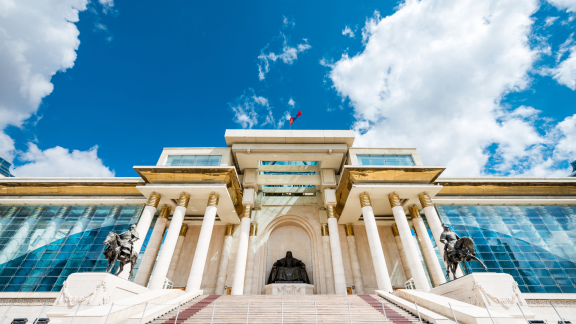
The overall security situation in Mongolia is stable. However, for expats, the same everyday factors apply as in other major cities: the location of your home, behavior at night, safe mobility, and a realistic understanding of crime levels in Ulaanbaatar. Additionally, some border regions have specific legal requirements that should be clarified before traveling there.
What expats should know:
- Overall security situation is stable
- Avoid demonstrations and large crowds
- In Ulaanbaatar: pickpocketing, robbery, and scams can occur
- Be especially cautious at night
- Do not choose Ger districts lightly
- Some border regions require special permits
Tip for expats: Safety is also a location decision in Mongolia. Those who plan their residential area, commute routes, and mobility carefully can significantly reduce everyday risks.
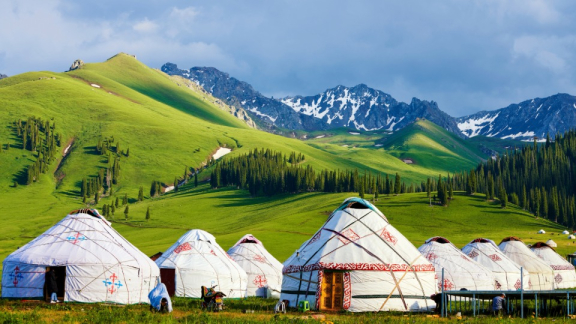
What is the healthcare system in Mongolia like?
The healthcare system in Mongolia is functional but varies significantly by region. Ulaanbaatar offers private international clinics and far better medical services than rural areas; overall, however, the medical infrastructure is often not comparable to European standards.
Overview:
- Standard vaccinations should be up to date; Hepatitis A and rabies are recommended
- Private health insurance and medical evacuation coverage are advisable
- Ulaanbaatar is much better equipped medically than the rest of the country
- Winter air pollution can severely affect the respiratory system
- In rural areas, medical assistance is harder to access due to long distances
- The dry climate can additionally affect skin, eyes, and the respiratory tract
Tip for expats: Anyone who needs regular medication, has children, or has pre‑existing conditions should evaluate healthcare options before signing a contract. In Mongolia, preparation determines healthcare security far more effectively than improvisation once on the ground.

Are you planning to move to Mongolia?
With structured preparation, you can avoid financial surprises. Our moving cost calculator provides clarity—it's simple, convenient, and takes just a few steps.
Climate in Mongolia: How do winter, summer, and air quality affect everyday life?
The climate in Mongolia is one of the toughest practical realities for expats. The country has a distinctly continental climate with long, cold winters and short, sometimes warm summers. In addition, dryness, strong winds, and winter air pollution in Ulaanbaatar affect daily life, housing, and even relocation planning.
Overview of weather conditions:
- November to April: long, very cold winters with average temperatures between –15 and –22 °C
- June to August: short, warm summers with average temperatures between 17 and 21 °C
- Dry climate with strong fluctuations
- High wind levels in many regions
- Severe winter air pollution in Ulaanbaatar
- Weather can complicate logistics and mobility
Tip for expats: The best relocation strategy for Mongolia is climate‑resilient. Housing, clothing, air filtration, heating costs, and the seasonal timing of the move should be integrated into planning from the very beginning.
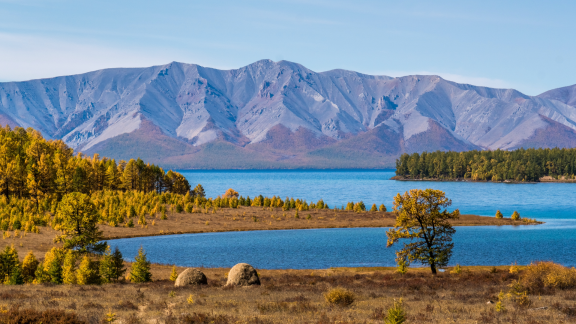
What shapes language, culture, and everyday life in Mongolia?
Anyone moving to Mongolia should not treat culture as a side topic. Mongolian is the official state language, and English is mainly used in hotels, tourist areas, among younger people, and in international business environments. In daily life, cash, local payment systems, and the nomadic cultural heritage play a much larger role than many expats expect.
What truly helps in everyday life:
- Official language: Mongolian – written in Cyrillic script
- English is more common in urban and international settings
- Payments must legally be made in the national currency, MNT
- Local QR payments are often only practical with a Mongolian bank account
- Outside Ulaanbaatar, advance planning becomes more important
- Nomadic traditions strongly influence values, daily life, and hospitality
- Buddhism remains culturally significant: monasteries, rituals, and respect for sacred sites still play a major role
Tip for expats: Even basic Mongolian skills make an outsized difference in daily life. Those who can communicate at a basic level reduce dependencies and progress much faster in housing, administration, and social networks.
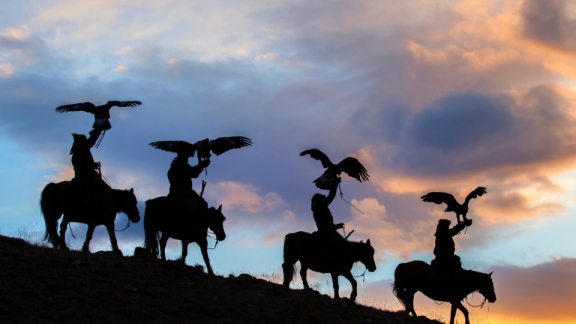
What makes Mongolia a distinctive destination for expats?
Mongolia is not a classic expat destination, but a country with a strong and distinctive profile. Located between Russia and China and shaped by steppe, semi‑desert, desert, and highland landscapes, it combines wide open natural spaces with a nomadic culture that remains visible to this day. This very mix makes the country highly appealing for some — and permanently challenging for others.
In detail:
- Vast steppe and the Gobi Desert as defining landscapes
- Traditional Ger culture remains visible today
- Nomadic heritage shapes identity and daily life
- Chinggis Khan is omnipresent historically and culturally
- Abundant nature, wide open spaces, little density
- Strong contrast between the capital and the countryside
Tip for expats: Mongolia is a good fit if you are not seeking maximum convenience but instead value space, independence, and a unique cultural logic. Those who appreciate exactly this will find an exceptional environment here.
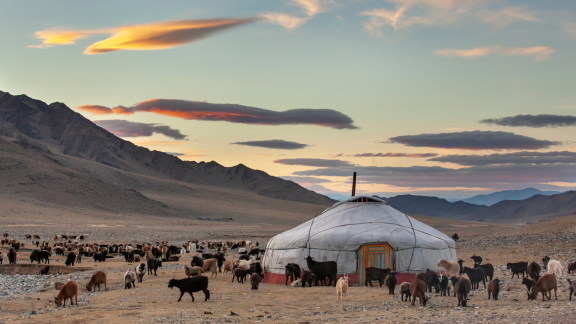
What should you bear in mind when moving to Mongolia with pets?
A move to Mongolia with pets is feasible, but the process is formal. Mongolian authorities require an individual vaccination passport for each animal, as well as a current official veterinary health certificate issued in the country of export. In addition, the pet’s health status, vaccinations, and fitness for export must be documented thoroughly and accurately.
What you should keep in mind:
- Obtain a veterinary health certificate
- Provide complete proof of vaccination status
- Get your pet used to the carrier before the flight
- Check airline and transit regulations separately
- Minimize stress for your pet on moving day
- Actively help your pet adjust to the new home
Tip for expats: When moving with pets, it’s not about improvisation, but timing. Starting early reduces stress, avoids paperwork errors, and ensures a much smoother process.

Who is Mongolia best suited for as a emigration destination?
Mongolia is best suited for people who are deliberately not looking for a standard expat destination. The country is particularly fitting for professionals with a clear specialization, entrepreneurs with a solid market connection, nature‑oriented individuals, and expats who can confidently handle climate extremes, long distances, and lower levels of predictability. Mongolia is less suitable for those expecting mild temperatures, widespread Western comfort, or a dense and highly accessible medical infrastructure.
Checklist before moving to Costa Rica:
✓ Clarify visa, passport, and entry requirements
✓ Set up healthcare and insurance coverage
✓ Plan your location, housing, and transition phase
✓ Calculate a realistic budget, including a buffer
✓ Prepare your household goods and customs documents
✓ Focus on improving your Spanish skills
Conclusion: Mongolia works best for people with strong self‑organization. Those who arrive well prepared experience far less friction — and far more of the country’s real strengths.


FAQs for emigrating to Mongolia
Do I need a visa for Mongolia?
For short stays, often not; for longer stays, usually yes.
Is Mongolia a good country to move to?
Yes, especially for people who value nature, wide open spaces and an unusual living environment.
Is the cost of living in Mongolia high?
Overall, it is rather moderate, but significantly higher in Ulaanbaatar.
Where do most expats live in Mongolia?
Mostly in Ulaanbaatar, as infrastructure and services are best there.
Is English enough for everyday life?
Partly, but Mongolian is often a clear advantage in daily life.
What is the climate like in Mongolia?
Winters are long and very cold, while summers are short and warm.
How good is the healthcare system?
Better in Ulaanbaatar, but much more limited in rural areas.
Can I bring my pet with me?
Yes, with the required vaccination and health certificates.
Who is Mongolia less suitable for?
For people who expect a high level of comfort and mild temperatures.
Are you interested in moving to Mongolia or another destination country?
Then do not hesitate and contact us today.
Sabrina Klier
Customer Service & Sales - AIR & SEA