
Emigrating to South Korea A reality check on South Korea's visas, safety, costs, and climate
Emigrating to South Korea: The most important answers first
✓ Visa-free short stays: up to 90 days with an entry form; a long-term visa is required for permanent residence.
✓ Cost of living is not cheap: prices are high throughout Seoul, but costs vary by region.
✓ Security situation relatively stable: low crime rate, but caution advised in major cities.
✓ Very strong healthcare system: high quality of care; health insurance mandatory after 6 months.
✓ Climate with 4 seasons: cold winters to humid, hot summers; risk of typhoons.
✓ Language skills: Korean is absolutely essential; Hangeul is a key component.
✓ Unique feature: modern cities and traditional culture coexist.
✓ Moving with pets: generally possible, but thorough preparation is required.
Make moving easy with DACHSER & KOLB. Use the moving cost calculator. Get a quote and consultation. Book a tour. Move.
Facts about South Korea

Capital City
Seoul

Population
52 million

Surface Area
100,210 km²

Continent
Asia

Official Language
Korean

Currency
Korean won (KRW)
What are the customs, visa, and entry requirements for South Korea?
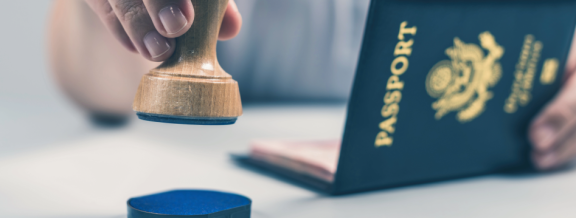
Anyone wishing to emigrate to South Korea should clearly distinguish between vacation and immigration. A tourist entry is not sufficient for starting a new life abroad: anyone who wants to work, study, or live in South Korea for an extended period needs the appropriate residence status — a digitally prepared e‑Arrival Card for short stays, and a Residence Card for long‑term stays.
Required documents for entry:
- Passport: Yes
- Temporary passport: Yes
- National ID card: No
- Temporary ID card: No
- Child’s passport: Yes
Tip for expats: First secure your legal basis for residence, then organize housing, employment, and the shipment of your belongings. Reversing this order can create unnecessary complications during the process.
Is South Korea economically appealing, and what is the cost of living like?
South Korea is not a low‑budget destination for emigrants, but it is a highly developed economy with a strong technological and industrial profile. Those who move to South Korea benefit most when their qualifications, industry, and chosen location align well.
Key points at a glance:
- Stable market with moderate annual GDP growth of 2.0%
- Income distribution: Gini coefficient = 32.9 (0 = perfect equality; 100 = maximum inequality)
- High‑wage and high‑income environment, with Seoul as a major career hub
- Cost of living is relatively high
- Jeonse contracts: a common rental model in which landlords require a very large one‑time deposit
- Initial costs for rent, deposit, transportation, insurance, and furnishing must be taken into account
Tip for expats: Do not focus solely on monthly rent. In South Korea, initial liquidity often determines how smoothly you can settle — including deposit, basic household setup, transportation, insurance, and financial reserves.
Safety in South Korea: What do expats need to know?
South Korea is considered a relatively safe destination for expats in everyday life. However, even with a generally high level of security, professional planners should not mistake safety for the absence of risk — especially in big cities, nightlife districts, and crowded areas.
What expats should know:
- Low crime rate
- Pickpocketing is relatively rare
- In Seoul’s nightlife districts: isolated incidents involving spiked drinks and sexual assaults
- Demonstrations in major cities are common, usually peaceful
- Consistently avoid large crowds
- Take weather, emergency, and crisis alerts seriously
Tip for expats: Safety is also a location factor in South Korea. A good residential area, short distances, and reliable transport connections significantly reduce everyday operational risks.
What is the healthcare system in South Korea like
South Korea’s healthcare system is modern, fast, and highly efficient, especially in metropolitan areas. For expats, however, the key is not only the quality of medical care but also having the right insurance setup and managing the language aspect.
Before moving:
- Medical care is on a European standard
- Particularly high quality of care in Seoul
- No mandatory vaccinations required for entry
- For long‑term stays: clarify health insurance arrangements early
- In many types of residence status, enrollment in the National Health Insurance becomes mandatory after six months
Tip for expats: Define your clinic network, insurance coverage, and medical documents before departure. Those who wait until after arrival often lose time — and potentially money.

Are you planning to move to South Korea?
With structured preparation, you can avoid financial surprises. Our moving cost calculator provides clarity—it's simple, convenient, and takes just a few steps.
How do four distinct seasons, the monsoon, and typhoons shape South Korea’s climate?
South Korea’s climate is not a secondary topic — it directly affects housing, mobility, and moving logistics. Expats should think about the seasons not only from a tourist perspective but also from an operational one.
Overview of key weather patterns:
- Monsoon season from June to August: hot and humid
- Winter from December to February: cold and dry
- July to September: risk of typhoons, heavy rain, flooding, and landslides
- Seismically active zone with potential earthquake hazards
- Periodically increased air pollution in metropolitan areas
Tip for expats: Try to avoid scheduling your arrival, initial administrative appointments, or major transports during the peak monsoon or typhoon periods. This improves planning reliability and reduces unnecessary friction.

Language, Culture, and Daily Life in South Korea: What matters most?
Anyone living in South Korea needs more than a valid visa. To manage everyday life effectively, language skills, an understanding of local systems, and cultural adaptability are essential — especially outside international bubbles.
What truly helps in daily life:
- Korean is the official language
- Language skills are essential for work and housing
- Politeness and respectful behavior are culturally very important
- Hangeul is part of national identity: outside major cities, signage is often only in Korean script
- Digital services and public transportation significantly simplify everyday life
- Food culture, community, and shared leisure activities play a major role
Tip for expats: Understanding digital processes, social etiquette, and the structured everyday rhythm helps you navigate South Korea much more easily. Language skills and cultural awareness provide clear advantages.

What makes South Korea truly stand out?
South Korea is not a classic destination for expats seeking sunshine and low costs, but rather one known for performance, infrastructure, and cultural influence. It is precisely this combination that makes the country exceptional in an international comparison.
In detail:
- High‑tech hub with highly advanced digital infrastructure
- Global leader in expanding digital public administration
- Hallyu (“Korean Wave”) shapes global pop culture and the country’s international image
- Hangeul is a unique writing system with deep cultural significance
- Modern cities and traditional culture coexist side by side
- High systemic efficiency in everyday life
Tip for expats: South Korea is appealing not only because of its pop culture but also due to its strong economy and modern infrastructure. For people who value professional opportunities and cultural diversity, the country is far more than just a trending destination.

What should you bear in mind when moving to South Korea with pets?
Moving to South Korea with pets is absolutely possible, but it requires thorough preparation without any last‑minute improvisation. Quarantine documents, health certificates, and precise timing are crucial.
What you should keep in mind:
- Arrange veterinary quarantine and health certification
- Provide complete proof of vaccination status
- Get your pet used to the carrier before the flight
- Check airline and transit regulations separately
- Minimize stress for your pet on moving day
- Actively help your pet adjust to the new home
Tip for expats: When moving with pets, it’s not about improvisation, but timing. Starting early reduces stress, avoids paperwork errors, and ensures a much smoother process.

Who is South Korea best suited for as a emigration destination?
South Korea is especially suitable for people with a clear plan, solid qualifications, and a strong willingness to adapt to the language and local systems. It is less suitable for expats expecting a low‑cost, low‑bureaucracy, and entirely English‑speaking fresh start.
Checklist before moving to South Korea:
✓ Clarify visa, passport, and entry procedures
✓ Set up healthcare arrangements and insurance coverage
✓ Plan your location, housing solution, and transition phase
✓ Calculate your budget realistically, including financial buffers
✓ Prepare your household goods and customs documentation
✓ Improve your Korean language skills strategically
Conclusion: South Korea is not an effortless destination, but it is a strong choice for people with realistic planning and a clear perspective. Those who arrive well‑prepared and embrace the country and its daily life can integrate very successfully.


FAQs - What do I need to know about emigrating to South Korea?
Do I need a visa for South Korea?
Not for tourist stays of up to 90 days. For work, study, or relocating as an expat, an appropriate visa is required.
Do I need to register before entering the country?
A K‑ETA is currently not required for German citizens. However, the e‑Arrival Card should be prepared before entering South Korea.
What applies to stays longer than 90 days?
You must register locally. This includes applying for a Residence Card.
How does health insurance work in South Korea?
For long‑term stays or employment, Korean National Health Insurance becomes mandatory in many cases.
How good is the healthcare system?
The healthcare system is modern and highly efficient. Medical care is especially strong in Seoul.
Can I bring my pet to South Korea?
Yes — but only with complete health and entry documentation. Otherwise, quarantine or refusal of entry may occur.
Is South Korea safe?
Yes, South Korea is generally considered a safe country. Still, caution is advisable in big cities and nightlife districts.
Are you interested in moving to South Korea or another destination country?
Then do not hesitate and contact us today.
Sabrina Klier
Customer Service & Sales - AIR & SEA