Emigrating to Australia Visa, safety, costs, and climate in Australia: a reality check
Emigrating to Australia: The most important answers first
✓ Visa requirements: A valid visa or ETA is required; a long-term visa is necessary for extended stays.
✓ Strong economy: Good opportunities for skilled workers, but also a high cost of living.
✓ Security situation generally stable: Low levels of conventional crime, but a high risk of natural disasters.
✓ Healthcare system depends on status: Medical care is good, but not automatically available to everyone.
✓ Climate varies by region: Tropical in the north, temperate in the south, with dry and desert-like zones inland.
✓ Language skills: English dominates daily life, yet the country is very multicultural.
✓ Special feature: Australia combines major cities, coastlines, the outback, and vast distances within a single country.
✓ Moving with pets: Very complex; requires thorough preparation and extensive planning time.
Make moving easy with DACHSER & KOLB. Use the moving cost calculator. Get a quote and consultation. Book a tour. Move.
Facts about Australia

Capital City
Canberra

Population
25.69 million

Surface Area
4,777,101.73 mi² or 7,688,000 km²

Continent
Australia and Oceania

Official Language
(Australian) English

Currency
Australian Dollar
What are the customs, visa, and entry requirements for Australia?
Anyone wishing to emigrate to Australia needs a solid entry and residency strategy. You must obtain the appropriate visa or ETA before departure. Tourist status is not sufficient for actually starting a new life in Australia; a suitable long-term visa is required. In addition, strict biosecurity and customs regulations apply to household goods and personal belongings.
Documents required for entry:
- Passport: Yes
- Temporary passport: Yes
- ID card: No
- Temporary ID card: No
- Child passport: Yes
Tip for emigrants: In Australia, the visa is not a minor issue, but the central prerequisite for starting over. At the same time, household goods, a packing list, forms, and all biosecurity-related items should be thoroughly prepared well in advance.

The Economy in Australia: What Opportunities and Living Conditions Are Available to Immigrants?
Australia is a highly developed economy with a strong service sector, a robust natural resources sector, and stable institutions. Living conditions are generally attractive, but housing costs and the cost of living—especially in major metropolitan areas—must be factored into your budget realistically.
Key facts at a glance:
- High per capita income and strong GDP, with an average GDP growth rate of 5–6% per year (2012–2025).
- Income distribution: Gini coefficient = 33.8 (0 = perfect equality; 100 = maximum inequality)
- Key sectors: Services, natural resources, healthcare, education
- Good opportunities for skilled professionals
- Skill lists and migration programs are labor market-oriented
- Income inequality exists, but is moderate
- Living and daily life in major cities are expensive
Tip for expats: Australia is economically attractive, but not a low-budget destination. Anyone starting out in Sydney, Melbourne, or Brisbane should carefully calculate job prospects, rent, transportation, and savings before moving.
Safety in Australia: What do expats need to know?
Overall, Australia is considered a safe destination for emigration with a relatively low crime rate. In everyday life, natural hazards are often a greater concern than traditional safety risks: bushfires, forest fires, floods, tropical cyclones, and regional weather extremes are part of the country’s everyday reality. However, thefts, car break-ins, and muggings are still possible in tourist areas and at night in certain locations.
What emigrants should know:
- Overall crime rate is generally low
- Theft and car break-ins possible in hotspots
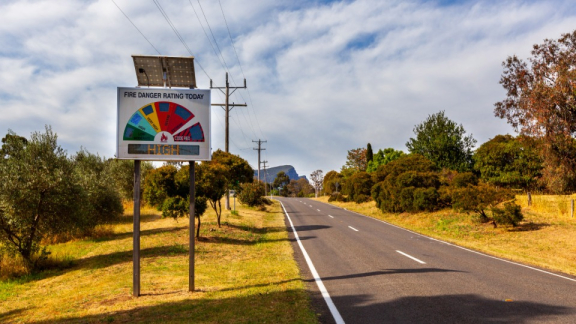
- Bush and forest fires occur regularly in the summer
- Cyclones and heavy rain, especially in the north
- Floods and landslides are a regional concern
- Take safety and weather warnings seriously
Tip for expats: When it comes to Australia, safety should always be considered on a location-by-location basis. Not only the city, but also fire risk, flood conditions, and everyday infrastructure determine how stable your new start will truly be.
What is the healthcare system like in Australia?
The Australian healthcare system is generally well-established. The national Medicare system is important, but it is not automatically available to every newcomer. Eligibility depends on one’s immigration status. Those who are not eligible—or not yet eligible—need adequate private health insurance. In addition, the U.S. Department of State notes that, despite good care, waiting times are possible even in emergencies.
At a glance:
- Healthcare system overall at a good level
- Medicare not automatically available to every newcomer
- Eligibility depends on residence status
- Private insurance often advisable or necessary
- Waiting times possible despite good care
- Medications brought from home must be declared
Tip for expats: Don’t assume you’ll have Medicare before moving; check your eligibility. Avoiding gaps in coverage between entry, visa status, and local registration significantly reduces financial and organizational risks.

Are you planning to move to Australia?
With structured preparation, you can avoid financial surprises. Our moving cost calculator provides clarity — it's simple, convenient, and takes just a few steps.
What is the climate like in Australia? Are there significant regional differences?
Australia does not have a uniform climate, but rather several climate zones. The north has a tropical climate, the south and east are more temperate, and the center is desert-like. It is precisely these regional differences that make the country attractive, but they also add to the complexity for expats. Where you live, your daily work life, energy needs, and mobility depend heavily on whether you live in Queensland, Victoria, Western Australia, or the Outback.
What the climate means for your daily life:
- Tropical climate in the north
- Temperate climate in the south and east
- Desert climate in the center
- Cyclone season in the north from November to April
- Bushfire risk, especially in the south and east
- Climate directly affects daily life and choice of residence
Tip for expats: In Australia, your place of residence should not be chosen based solely on image. Heat, humidity, cyclone or fire risk, and distances to infrastructure are practical factors that should definitely be taken into account.

Diversity in Australia? – Language, Culture and Daily Life
Australia is a modern immigrant society with a strong multicultural character. English clearly dominates everyday life, yet cultural diversity is an integral part of society. Added to this is the special significance of Aboriginal and Torres Strait Islander cultures, whose connection to the land and culture dates back over 60,000 years.
What you should know about life in Australia:
- English is the primary language of daily life
- Multicultural society with a high proportion of immigrants
- International communities in many cities
- First Nations culture is a defining part of the country
- Long distances shape travel and daily life
- Major cities are significantly more international than rural areas
Tip for expats: In Australia, good English helps right away, but cultural adaptability goes further. Those who approach a multicultural society with an open mind and respect local customs will settle in socially and professionally much faster.
What makes Australia special?
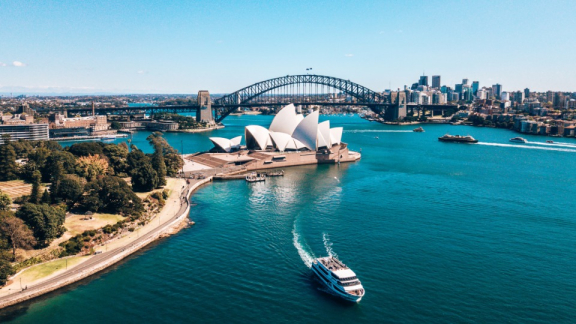
Australia combines a continent, an island nation, and a multicultural society all in one—with cosmopolitan cities, endless coastlines, desert regions, rainforests, the Outback, and a unique wildlife. Particularly defining are the vast expanses of land and the long history and ongoing presence of First Nations cultures. It is precisely this blend that makes Australia so special to so many people.
In detail:
- Both a continent and a nation
- Extreme landscape diversity
- Very long distances between regions
- A country of immigration with an international profile
- First Nations cultures for over 60,000 years
- Coast, outback, and metropolises in one country
Tip for expats: Australia scores points not only for its sunshine and nature, but also for a strong overall package of stability, space, and internationality. Those who strategically consider the country’s size make significantly better decisions regarding jobs, where to live, and their lifestyle.

What should you bear in mind when moving to Australia with animals?
Moving with pets to Australia is possible, but significantly more complicated than moving to many other countries. Australia takes its biosecurity very seriously. In addition to transportation, veterinary documentation, deadlines, vaccinations, and animal welfare must be carefully coordinated. The official recommendation is to plan for at least six months’ lead time and to observe quarantine periods.
What you should keep in mind:
- Moving pets requires ample lead time; plan at least 6 months for preparations
- Veterinary health checks, vaccinations, and tests are mandatory
- Import permits may be required
- Quarantine possible
- Get the pet accustomed to the transport crate before the flight
- Coordinate entry and flight requirements
- Minimize stress for the pet on moving day
- Certain dog breeds are not permitted
Tip for expats: When relocating pets to Australia, improvisation is an expensive mistake. Starting early and working with specialized pet transport professionals significantly reduces stress, costs, and the risk of procedural errors.

For whom is Australia a suitable destination for emigration?
Australia is particularly well-suited for people who have a clear visa pathway, solid English skills, and a realistic budget. The country is especially suitable for skilled professionals, families with a well-thought-out plan, young adults with a working holiday visa, and anyone seeking an international environment with a high quality of life.
Checklist before emigrating to Australia:
✓ Check visa, entry requirements, and suitable residency options for Australia well in advance
✓ Clarify health insurance and potential Medicare eligibility in a timely manner
✓ Strategically determine a suitable place of residence in Australia and arrange initial accommodation
✓ Realistically plan your emigration budget for Australia, including a buffer
✓ Thoroughly prepare for your move to Australia with household goods, a packing list, and biosecurity documents
✓ Confidently apply and further develop English language skills for work and daily life
Conclusion: Australia captivates with its high quality of life, international openness, and an extraordinary mix of cities, coastlines, and wide-open spaces. The country is particularly well-suited for skilled professionals, well-prepared families, and expats seeking stability, nature, and an English-speaking environment.


FAQs for emigrating to Australia
Do I need a visa for Australia?
Yes. German citizens must have a valid visa or an ETA before entering the country. To start a new life in Australia, you will need an appropriate long-term or migration visa.
Is Australia a good country to emigrate to?
Australia is attractive to many immigrants because it is economically strong, politically stable, and has a diverse, international society. At the same time, a good command of English, a solid budget, and a well-thought-out visa strategy are essential.
What is the cost of living in Australia?
Australia is not a cheap place to emigrate to. According to data from the Australian Bureau of Statistics, the cost-of-living index has risen by 2% to 4% in recent years. Housing is one of the main factors driving up costs.
As an expatriate, can I enroll in Medicare right away?
Not automatically. Medicare is available to Australian citizens, New Zealand citizens, permanent residents, and certain other groups, among others. Eligibility therefore depends on your immigration status.
Is Australia safe for immigrants?
Generally speaking, yes. Australia is generally considered a safe country, but natural hazards such as bushfires, forest fires, floods, and cyclones pose a greater threat in certain regions than many traditional security risks.
Can I move to Australia with my dog or cat?
Yes, but the process is strictly regulated. Official import requirements, veterinary certificates, and additional requirements depending on the country of origin apply to dogs and cats. The preparation process can take several months.
Who is particularly suited to emigrating to Australia?
Australia is particularly well-suited for skilled workers, people with a good command of English, well-prepared families, and young adults with the appropriate visa pathway. Australia’s immigration system is strongly focused on the labor market and qualifications.
Are you interested in moving to Australia or another destination country?
Then do not hesitate and contact us today.
Sabrina Klier
Customer Service & Sales - AIR & SEA