Emigrating to Bolivia Visa, safety, costs, and climate in Bolivia: a reality check
Emigrating to Bolivia: The most important answers first
✓ Visa-free entry: Entry is possible without a visa for up to 90 days; registration is required for longer stays.
✓ Economical situation: Natural gas, minerals, and agricultural products play a defining role in the country.
✓ A generally stable security situation: Crime and sensitive border areas require caution.
✓ Healthcare system: Private healthcare is strongest in La Paz, while medical quality drops significantly in rural areas.
✓ Climate depends heavily on elevation: The Altiplano, Yungas, Amazon region, and Chaco differ dramatically in terms of climate.
✓ Language skills: Spanish is essential for everyday life, while Indigenous languages also visibly shape many regions.
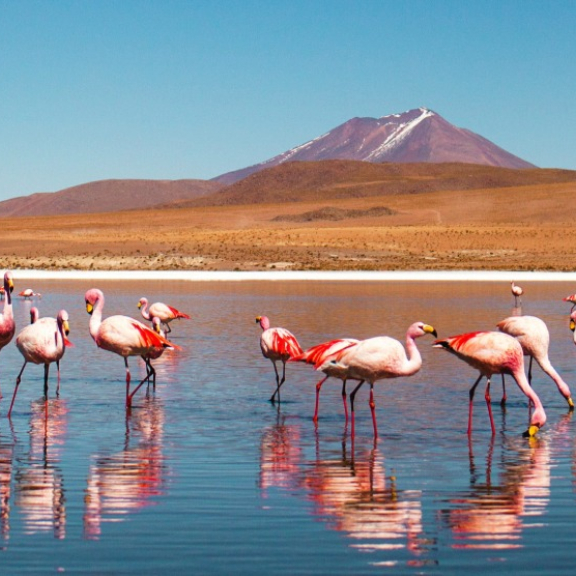
✓ Special feature: Salar de Uyuni, the highlands, the Amazon, and a strong Indigenous identity in one country.
✓ Moving with pets: Good preparation is required, along with translated and complete documentation.
Relocating made easy with DACHSER & KOLB. Use our moving cost calculator. Get a quote and consultation. Book a tour. Move.
Facts about Bolivia

Capital City
Sucre (constitutional capital) and La Paz (seat of government)

Population
12,311,974

Surface Area
1,098,581 km2 or 424,164 sq mi
Continent
South America

Official Language
Spanish and 36 indigenous languages

Currency
Boliviano (BOB)
What are the customs, visa, and entry requirements for Bolivia?
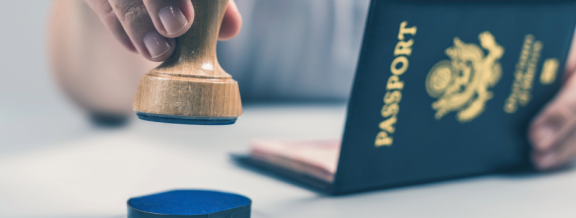
For German citizens, entry for tourist stays of up to 90 days per calendar year is visa-free. Multiple entries are allowed. However, that is not sufficient for a longer stay, and a residence permit must be applied for. In addition, customs and import-related issues should be reviewed early, as certain medications and vehicles are more strictly regulated than many people expect.
Documents required for entry:
- Passport: Yes
- Temporary passport: Yes
- National ID card: No
- Temporary national ID card: No
- Child passport: Yes
Tip for expats: Entry into Bolivia may seem straightforward, but the real effort begins when it comes to long-term status. Anyone who sets up their purpose of stay, documentation, and import process properly from the start can avoid unnecessary friction later on.
What are the economic conditions and standard of living like in Bolivia for immigrants?
Bolivia is not an easy-win market economically. The country has a strong resource and agricultural base, with natural gas, zinc, silver, tin, lithium, as well as soybeans, Brazil nuts, and beef playing key roles in exports. At the same time, the current economic situation is strained, as weak exports, fuel shortages, inflation, and political uncertainty are weighing on the market.
Key facts at a glance:
- Only limited growth is currently expected, despite average GDP growth of 3–4% per year (1991–2025).
- Income distribution: Gini coefficient = 42.1 (0 = perfect equality; 100 = maximum inequality)
- Natural gas and minerals remain central
- Agriculture and agricultural products are important
- The resource base is strong, but vulnerable to economic cycles
- The economy is currently expected to contract
- Inflation and fuel shortages are putting pressure on everyday life
- Without a financial buffer, the market quickly becomes challenging
Tip for expats: From an economic perspective, Bolivia is especially attractive for people with a clear niche, a solid budget, and realistic expectations. Anyone focusing only on the low cost of living or the country’s raw material reserves is missing the bigger picture.
Safety in Bolivia: What do expats need to know?
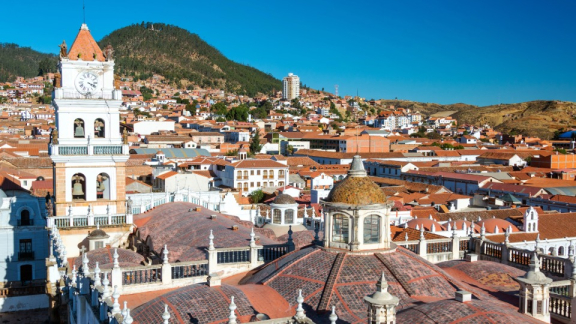
Compared with other countries in the region, Bolivia is relatively safe, but it should still be assessed with a clear-eyed view. Relevant risks include social unrest with roadblocks, distraction theft, fake police officers, express kidnappings, and in some cases armed robberies. There are also elevated risks in El Alto, parts of La Paz and Santa Cruz, the Chapare region, Los Yungas, around Uyuni, and in border areas with Brazil.
What expats should know:
- Social unrest and roadblocks do occur
- Caution is advised in El Alto and in certain neighborhoods of La Paz and Santa Cruz
- Assess the border area with Brazil with particular caution
- Fake taxis and fake police officers are a real risk
- Keep the risk of express kidnappings in mind, especially on connecting routes
- Avoid night travel and spontaneous routes if you are unfamiliar with the area
Tip for expats: In Bolivia, what often matters most is not the country in the abstract, but the reality of everyday life on the ground. Anyone who plans their place of residence, mobility, and routines strategically from the start can significantly reduce future risk.
What is the healthcare system like in Bolivia?
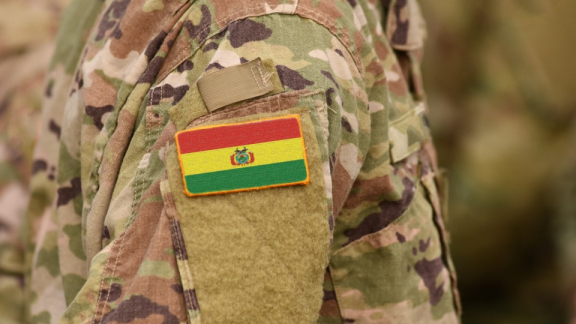
Bolivia’s healthcare system is usable for expats, but it is clearly divided into two tiers. Private clinics in La Paz offer the highest standard of care, while quality declines significantly in rural areas. Other medically relevant issues include altitude sickness from around 2,500 meters, mosquito-borne diseases in lower-lying and eastern regions, and the required or recommended yellow fever vaccination for certain areas.
At a glance:
- Private clinics in La Paz offer the strongest level of care
- Rural healthcare is significantly weaker
- Hepatitis A is advisable as a travel vaccination
- Yellow fever is important for eastern lowland regions
- Malaria is mainly relevant east of the Andes below 2,300 meters
- Keep altitude sickness actively in mind in La Paz and the highlands
Tip for expats: In Bolivia, healthcare is a location issue. Good international health insurance, medical evacuation coverage, mosquito protection, and realistic acclimatization in the highlands should all be in place before the move.

Are you planning to move to Bolivia?
With structured preparation, you can avoid financial surprises. Our moving cost calculator provides clarity — it's simple, convenient, and takes just a few steps.
What is the climate like in Bolivia?
Bolivia has several clearly distinct climate zones. The range extends from the high-mountain climate of the Andes to the subtropical Yungas, the tropical lowlands in Beni, and the drier parts of the Chaco. The rainy season typically lasts from November to April. During this time, flooding, landslides, and roads becoming impassable for days are especially common in mountainous regions.
What the climate means for your daily life:
- Altiplano: cool, dry, and strongly shaped by elevation
- Yungas: subtropical and more humid
- Amazon lowlands: hot and very humid
- Rainy season usually from November to April
- At the end of the dry season, wildfires can affect transportation and air quality
- Climate and elevation have a major impact on housing and mobility
Tip for expats: In Bolivia, climate is not a side issue. Anyone who treats La Paz, Santa Cruz, Cochabamba, and the Amazon region as if they had the same climate can quickly make the wrong location decision.
Diversity in Bolivia? – Language, culture, and everyday life
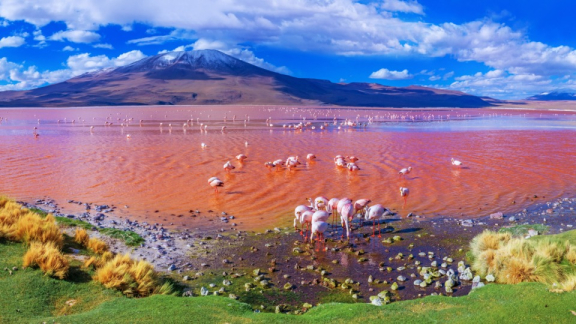
In Bolivia, Spanish is the central key to everyday life. At the same time, 36 Indigenous languages are officially recognized alongside Spanish, which clearly reflects the country’s cultural and regional diversity. That is exactly why everyday life in Bolivia works less through pure process logic and more through language ability, relationship-building, and regional understanding.
What really helps in everyday life:
- Spanish is essential for dealing with authorities and for everyday life
- Indigenous languages also shape many regions
- Bolivia is visibly a plurinational country in cultural terms
- Urban and rural life function differently
- Regional identities are strong
- Without language skills, integration becomes unnecessarily slow
Tip for expats: Good Spanish makes life in Bolivia noticeably easier right away. Even more important, however, is taking local differences seriously and not viewing the country as a single, uniform market or everyday reality.
What makes Bolivia special?
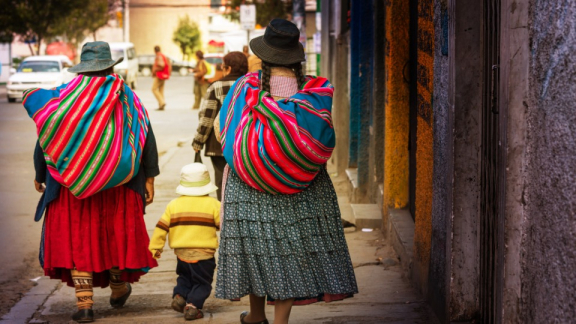
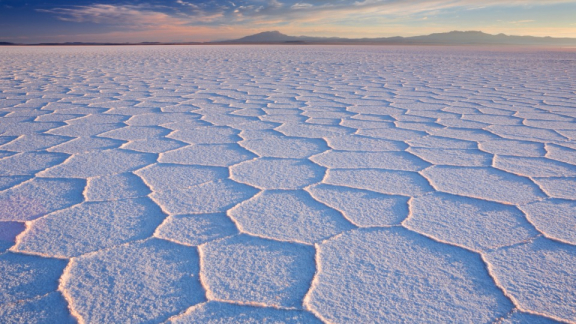
Bolivia stands out above all for its extreme landscape diversity and strong cultural distinctiveness. The country brings together the highlands, the Amazon, the Yungas, and the Uyuni Salt Flat, one of the most striking natural areas in South America. Added to that is Tiwanaku, a UNESCO World Heritage Site with major historical significance. It is exactly this mix of altitude, vastness, Indigenous identity, and natural contrasts that makes Bolivia so distinctive.
In detail:
- Uyuni Salt Flat as an iconic natural landmark
- The Altiplano with a way of life all its own
- The Amazon region as a tropical counterpart to the highlands
- A strong Indigenous influence in everyday life
- Tiwanaku as a unique historical landmark
- Nature and culture are woven together in an unusually close way
Tip for expats: Bolivia is especially appealing to people who are not just looking for a new country, but for a completely different way of life. That very distinctiveness is the country’s biggest advantage for some, and the biggest adjustment for others.
What should you bear in mind when moving to Bolivia with animals?
A move with pets is a formal process and should be prepared early. To import pets, a veterinary health certificate with translation and proof of rabies vaccination are required. In addition, according to SENASAG, an individual zoosanitary export certificate must be provided for each animal; in some cases, quarantine may also be ordered.
What you should keep in mind:
- Check your pet’s vaccination status early; rabies vaccination is mandatory
- Prepare all veterinary documents completely, including translation, in advance
- Train your pet to use the travel crate before the flight
- Coordinate entry requirements and airline regulations
- Minimize stress for your pet on moving day
- Actively support your pet’s adjustment to the new home
- An individual zoosanitary export certificate for each animal is required
- Case-by-case quarantine is possible
Tip for expats: When relocating with pets to Bolivia, precision matters. Anyone who properly aligns vaccination status, certificates, translations, and the travel date can avoid the usual last-minute problems.

For whom is Bolivia a suitable destination for emigration?
Bolivia is especially well suited to people who are consciously looking for a non-standard emigration destination. The country is a strong fit for nature-oriented, Spanish-speaking, and adaptable expats, for project-driven profiles, and for people who can handle altitude, regional differences, and a lower degree of predictability.
Checklist before emigrating to Bolivia:
✓ Check entry requirements and residence regulations for Bolivia
✓ Secure health insurance and medical care coverage in Bolivia
✓ Choose the right place to live in Bolivia and arrange your initial accommodation
✓ Plan your emigration budget for Bolivia, including a financial buffer
✓ Prepare your move to Bolivia carefully, including household goods and documents
✓ Use Spanish intentionally to better navigate regional differences
Conclusion: Emigrating to Bolivia can be attractive, especially because of its dramatic landscapes, strong cultural distinctiveness, and pronounced regional diversity. At the same time, the country requires a realistic view of the economy, security, healthcare, and altitude.


FAQs for emigrating to Bolivia
What do I need to consider when moving to Bolivia?
Anyone planning to move to Bolivia should, above all, clarify matters such as entry requirements, residency status, health insurance, place of residence, the security situation, and budget well in advance. Given the high altitude, regional differences, and the sometimes inadequate infrastructure, thorough preparation is essential.
What are the visa and entry requirements for Bolivia?
German citizens can generally enter Bolivia for tourism purposes for up to 90 days per calendar year without a visa. However, anyone wishing to live or work in Bolivia for a longer period needs to secure an appropriate residence permit and should prepare the necessary documents well in advance.
Is Bolivia a safe country to emigrate to?
Bolivia is not a typical high-risk country, but safety concerns should be assessed objectively. Pickpocketing, fake police officers, express kidnappings, sensitive border areas, and certain neighborhoods or regions make it important to be mindful of safety in everyday life.
What is the healthcare system like in Bolivia?
The healthcare system in Bolivia varies significantly from region to region. In La Paz and larger cities, private healthcare is better, but in rural areas it is often significantly poorer, which is why it is advisable to have good international health insurance and medical evacuation coverage.
What language is spoken in Bolivia?
In Bolivia, Spanish and 36 indigenous languages are officially recognized. In everyday life, Spanish is the primary language, while indigenous languages have a strong cultural and social influence in many regions.
What is the climate like in Bolivia?
The climate in Bolivia varies greatly depending on altitude. The highlands, the Yungas, the Amazon, and the Chaco differ significantly, and the rainy season, the heat at lower elevations, and the cold in the Altiplano have a noticeable impact on daily life and the choice of location.
Who is moving to Bolivia a good fit for?
Bolivia is particularly well-suited for people who are looking for an independent, less conventional destination for relocation and who can adapt well to regional differences, high altitudes, and a degree of unpredictability. The country is especially appealing to flexible, language-savvy, and nature-loving expats with realistic expectations regarding daily life and infrastructure.
Are you interested in moving to Bolivia or another destination country?
Then do not hesitate and contact us today.
Sabrina Klier
Customer Service & Sales - AIR & SEA