Emigrating to Bulgaria Visa, safety, costs, and climate in Bulgaria: a reality check
Emigrating to Bulgaria: The most important answers first
✓ Visa-free entry: Entry is possible without a visa, with registration required for longer stays.
✓ An economy with growth potential: Opportunities exist especially in industry, IT, BPO, trade, and tourism.
✓ A generally stable security situation: Keep petty crime in hotspots and natural hazards in mind.
✓ A publicly organized healthcare system: Access is provided through mandatory health insurance and your insurance status.
✓ A climate with clear contrasts: Warm summers, cold winters, and milder regions along the coast.
✓ Language skills: English helps in some situations, but Bulgarian is clearly more useful in everyday life.
✓ Special feature: The Black Sea, mountains, and UNESCO sites are comparatively close together.
✓ Moving with pets: Usually well manageable within the EU with a pet passport and vaccination.
Relocating made easy with DACHSER & KOLB. Use our moving cost calculator. Get a quote and consultation. Book a tour. Move.
Facts about Bulgaria

Capital City
Sofia

Population
6.43 million

Surface Area
116,631 mi² or 110.994 km²
Continent
Europe

Official Language
Bulgarian

Currency
Euro (EUR)
What are the customs, visa, and entry requirements for Bulgaria?
For German citizens, a passport or ID card is sufficient for entry into Bulgaria, and no visa is required. EU citizens may initially stay in the country for up to three months with a valid identity document and must then apply for longer-term residence. All travel documents must be valid when entering and leaving the country.
Documents required for entry:
- Passport: Yes
- Temporary passport: Yes
- National ID card: Yes
- Temporary national ID card: Yes
- Child passport: Yes
Tip for expats: Anyone planning a move to Bulgaria should first establish the residence setup properly and only then schedule housing, job start, and the shipment of household goods. In most cases, that saves more time than any later correction.
Economy in Bulgaria: What opportunities are there for expats?
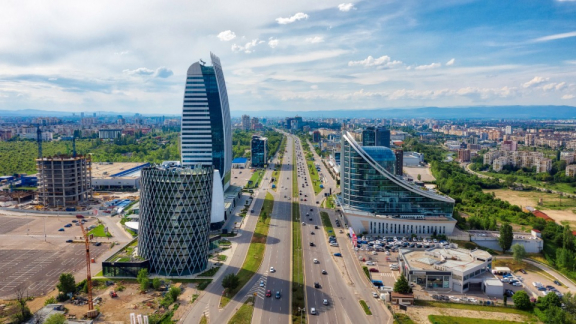
Bulgaria is more economically dynamic than many initially expect. Particularly relevant sectors are industry, automotive, electronics, IT, BPO, trade, tourism, education, and healthcare. At the same time, compared with the EU, the country remains attractive in terms of cost, even though Sofia and larger cities are significantly more expensive than smaller towns.
Key facts at a glance:
- Economic growth with average GDP growth of 2–3% per year (1996–2025).
- Income distribution: Gini coefficient = 39.5 (0 = perfect equality; 100 = maximum inequality)
- Opportunities in industry and manufacturing
- Other important sectors: automotive, electronics, IT, BPO, tourism, and hospitality
- Healthcare and education professions are in demand
- Sofia is usually more expensive than smaller cities
Tip for expats: At first glance, Bulgaria appears inexpensive. A fresh start only becomes sustainable, however, when location, salary, rent, and daily fixed costs are calculated together.
Safety in Bulgaria: What do expats need to know?
Bulgaria is generally a stable destination for emigrating. In everyday life, the main concerns are typical risks such as pickpocketing at airports, railway stations, and heavily frequented places. In addition, theft from vehicles and vehicle theft do occur in isolated cases. Natural hazards also play a role. Bulgaria lies in a seismically active zone, and dangerous underwater currents along the Black Sea coast can also pose a risk even close to the beach.
What expats should know:
- Petty crime in hotspots
- Pickpocketing at transport hubs
- Theft from cars does occur
- Vehicle theft is occasionally relevant
- Earthquake risk is generally present
- Take currents along the Black Sea coast seriously
Tip for expats: For everyday life in Bulgaria, sensible standard precautions are usually enough. Anyone who stays alert when choosing city locations, parking, and coastal areas can quickly reduce the real risks to a very manageable level.
What is the healthcare system like in Bulgaria?
Bulgaria relies on mandatory public health insurance through the national health fund. Services are available through contracted facilities, usually via the chosen general practitioner in everyday life. Private clinics often operate outside the system and bill directly. Anyone planning to stay long term should clarify their coverage and access to the public system properly before moving.
At a glance:
- Public mandatory health insurance as the foundation
- Services provided through contracted doctors and contracted facilities
- Choosing a general practitioner is important for everyday life
- EHIC (European Health Insurance Card) is relevant for temporary stays
- Private treatment often requires direct payment
- Check your insurance status before moving
Tip for expats: In healthcare, preparation pays off especially well in Bulgaria. Anyone who already knows before arrival how insurance, a GP, and private alternatives work together will avoid unnecessary detours later on.

Are you planning to move to Bulgaria?
With structured preparation, you can avoid financial surprises. Our moving cost calculator provides clarity — it's simple, convenient, and takes just a few steps.
What is the climate like in Bulgaria?
Bulgaria has a mainly continental climate with warm summers and relatively cold winters. At the same time, the coast, the capital region, and the mountains differ noticeably in everyday life. That is exactly what makes climate a more relevant location factor than many people expect before moving.
What the climate means for your daily life:
- Predominantly continental climate
- Summers are usually warm
- Winters are often noticeably colder
- Coastal regions are milder
- Mountain regions are clearly different from lowlands
- The seasons are clearly felt in everyday life
Tip for expats: Climate is not a side issue in Bulgaria. Anyone who clearly distinguishes between Sofia, the coast, and the mountains will make much more realistic housing and everyday-life decisions.
What shapes language, culture, and everyday life in Bulgaria?
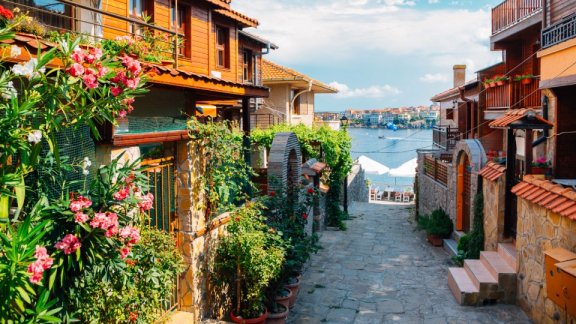
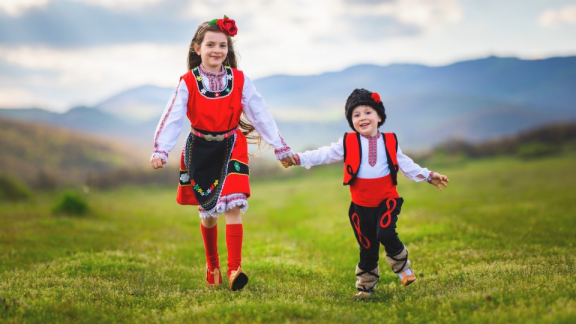
Bulgarian is the everyday language and central to integration. English helps mainly in international environments and larger cities, but it does not replace Bulgarian when dealing with authorities, housing, and organization. Culturally, Bulgaria feels grounded and strongly rooted in tradition, shaped by food, social life, regional cuisine, music, and a strong sense of history. Sofia and the larger cities are more international, while smaller towns are much more local.
What really helps in everyday life:
- Bulgarian is the everyday language
- English helps mainly in international environments
- Administrative life is clearly shaped by Bulgarian
- Cuisine and wine are culturally visible
- Traditions and customs carry weight
- Sofia is much more international than many smaller places
Tip for expats: Starting out in Bulgaria becomes much easier if you do not rely only on English. Even simple language skills and an open approach to local routines noticeably improve the speed of everyday life.
What makes Bulgaria special?
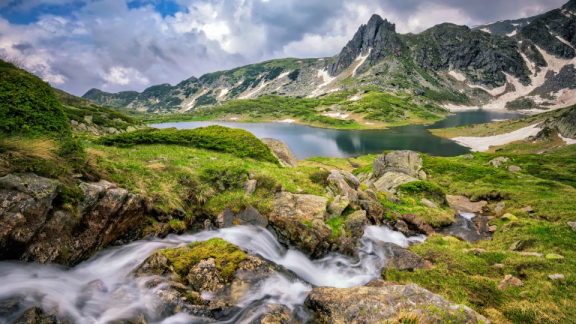
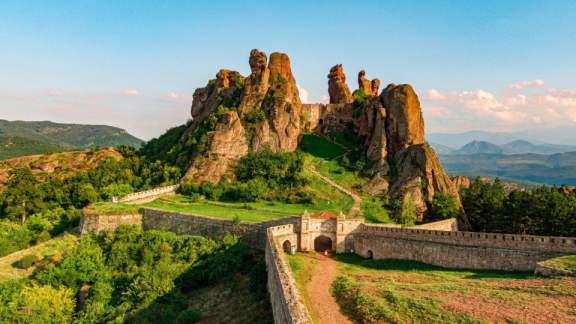
Bulgaria stands out through an unusually strong combination of sea, mountains, historic sites, and comparatively short distances. The Black Sea coast, Sofia, the Rila Mountains, and important cultural landmarks are close enough together to combine city life, nature, and leisure very well. Added to that are cultural highlights such as the Rila Monastery and other UNESCO sites, which give the country a surprising amount of historical depth despite its manageable size.
In detail:
- The Black Sea and mountains in one country
- Sofia as the urban center
- Rila Monastery as a cultural highlight
- Several UNESCO sites
- Four seasons and a lot of nature
- Short distances between very different regions
Tip for expats: Bulgaria is especially appealing for people who do not just want inexpensive living, but also want to combine city life, nature, and culture within a manageable setting. That is where the country plays to its strengths.
What should you bear in mind when moving to Bulgaria with animals?
A move with pets to Bulgaria is generally easy to plan within the EU. In addition to transport, veterinary documentation, deadlines, vaccinations, and animal welfare need to be coordinated properly. The key requirements are a microchip, a valid rabies vaccination, and an EU pet passport. Entry from non-EU countries involves additional veterinary requirements.
What you should keep in mind:
- Check your pet’s vaccination status early, as a valid rabies vaccination is required
- Prepare veterinary documents completely in advance, with the EU pet passport being relevant
- Microchip required
- Train your pet to use the travel crate before the flight
- Coordinate entry requirements and airline rules
- Minimize stress for your pet on moving day
- Actively support your pet’s adjustment to the new home
Tip for expats: When moving pets, problems almost always arise from document preparation. Anyone who checks vaccination status and paperwork in time will avoid unnecessary delays.

For whom is Bulgaria a suitable destination for emigration?
Bulgaria is especially well suited to EU citizens, people with a clear cost strategy, skilled professionals in technical or international roles, and anyone looking for a quieter environment with more nature. It is less suitable for anyone entering the market without willingness to learn the language, without a location strategy, and without a clear understanding of administration and healthcare logic.
Checklist before emigrating to Bulgaria:
✓ Check entry requirements and residence regulations for Bulgaria
✓ Secure health insurance and medical care coverage in Bulgaria
✓ Choose the right place to live in Bulgaria and arrange your initial accommodation
✓ Plan your emigration budget for Bulgaria, including a financial buffer
✓ Prepare your move to Bulgaria carefully, including household goods and documents
✓ Use English and settle into everyday life faster with Bulgarian
Conclusion: Bulgaria is an interesting emigration destination for anyone who wants to make a comparatively straightforward fresh start within the EU and values moderate costs, nature, and a high degree of regional variety. Above all, the combination of EU and Schengen membership, euro adoption, a growing labor market, and short distances between city, mountains, and coast makes the country attractive.


FAQs for emigrating to Bulgaria
Do I need a visa for Bulgaria?
No. German citizens can enter Bulgaria with a valid passport or ID card. Anyone wishing to stay in the country longer than three months must, as an EU citizen, apply for longer-term residence.
What do I especially need to consider when emigrating to Bulgaria?
Anyone planning to emigrate to Bulgaria should not only plan entry, but above all settlement. Key points are residence rights, place of residence, health insurance, realistic housing costs, job prospects, and the regional decision between Sofia, the coast, the mountains, or smaller towns.
Is Bulgaria a good country to work in?
Yes, especially for skilled professionals with practical, technical, or international profiles. Particularly relevant sectors are industry, automotive, electronics, IT, BPO, tourism, trade, education, and healthcare.
How high is the cost of living in Bulgaria?
Bulgaria is usually cheaper than many Western European countries, but not everywhere equally affordable. Rents are significantly higher in Sofia and in larger cities such as Varna, Plovdiv, or Burgas than in smaller places.
How does the healthcare system work in Bulgaria?
The healthcare system is based on mandatory public health insurance. Insured persons can access services through the public system and choose a general practitioner. Private clinics also play an important role, but they are often paid separately.
What language do I need in Bulgaria?
The official language is Bulgarian. For getting started, English helps especially in international working environments and larger cities. In the long term, however, Bulgarian makes everyday life with authorities, housing, and local contacts much easier.
Can I move to Bulgaria with a dog or cat?
Yes. Within the EU, moving with a dog, cat, or ferret is generally easy to plan if a microchip, a valid rabies vaccination, and an EU pet passport are in place. Additional requirements apply when entering from non-EU countries.
Are you interested in moving to Bulgaria or another destination country?
Then do not hesitate and contact us today.
Sabrina Klier
Customer Service & Sales - AIR & SEA