Emigrating to Chile Visa, safety, costs, and climate in Chile: a reality check
Emigrating to Chile: The most important answers first
✓ Visa-free entry: Entry is possible without a visa for up to 90 days; registration is required for longer stays.
✓ An economy with real substance: Opportunities exist especially in mining, energy, agriculture, services, and industrial sectors.
✓ Security situation: Chile is generally safe, but caution is advised in conflict regions and in relation to natural hazards.
✓ A two-tier healthcare system: Medical care is good in major cities, but the standard drops noticeably outside them.
✓ An extremely diverse climate: The country’s different regions vary dramatically in weather, temperature, and overall lifestyle.
✓ Language skills: Spanish is essential, while regional identity and Indigenous influences also play a role.
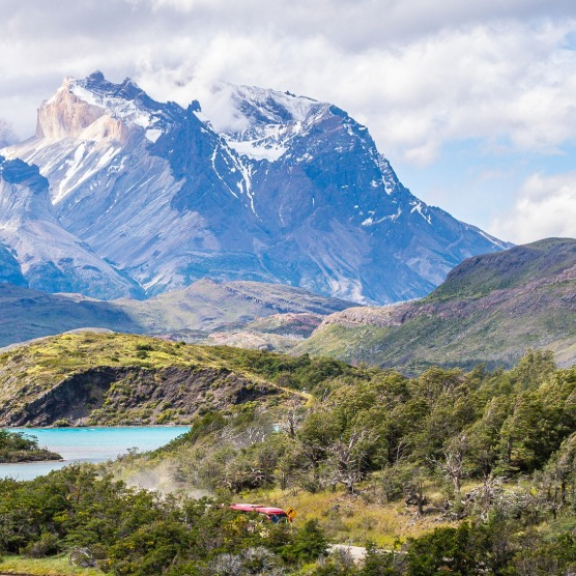
✓ Special feature: Chile brings together desert landscapes, wine regions, the Pacific coast, volcanoes, glaciers, and Patagonia in one country.
✓ Moving with pets: Good preparation is required.
Relocating made easy with DACHSER & KOLB. Use our moving cost calculator. Get a quote and consultation. Book a tour. Move.
Facts about Chile

Capital City
Santiago de Chile

Population
19.7 million

Surface Area
470,145.6 mi² or 756,626 km²

Continent
South America

Official Language
Spanish

Currency
Chilean peso (CLP)
What are the customs, visa, and entry requirements for Chile?
Entry into Chile is visa-free for up to 90 days. Upon arrival, a "Tarjeta Única Migratoria" is issued as proof of entry and should be kept in a safe place. Anyone planning to stay in Chile for more than 90 days must apply for a visa online through the Chilean migration service before entering the country. The most relevant categories are usually those under Residencia Temporal, which, depending on the case, can be valid for up to two years.
Documents required for entry:
- Passport: Yes
- Temporary passport: Yes
- National ID card: No
- Temporary national ID card: No
- Child passport: Yes
Tip for expats: Entry into Chile may seem straightforward, but the real effort begins when it comes to long-term status. First get your purpose of stay, documents, and shipment timing properly aligned, then lock in the move.
Economy in Chile: What opportunities are there for expats?
Chile is one of the most solid economies in South America. Key drivers include exports, consumer demand, and investment, especially in energy and mining. At the same time, Chile remains a country with a strong resource- and primary-sector base, where copper, agriculture, the marine economy, and services continue to play central roles. The market is more professional and structured than in many other parts of the region, but it is not easy.
Key facts at a glance:
- Robust growth, including in comparison with the EU, with average GDP growth of 3–4% per year (1997–2025).
- Income distribution: Gini coefficient = 43 (0 = perfect equality; 100 = maximum inequality)
- Mining remains a key sector
- Energy and infrastructure are important fields
- Agriculture and the wine industry continue to play a role
- Services and urban demand remain relevant
- Investment is picking up again
- Chile is economically more predictable than many of its neighboring countries
Tip for expats: Chile is not a low-cost market with guaranteed easy wins. Anyone entering with a clear business model, a strong local network, and a solid budget will be in a much better position.
Safety in Chile: What do expats need to know?
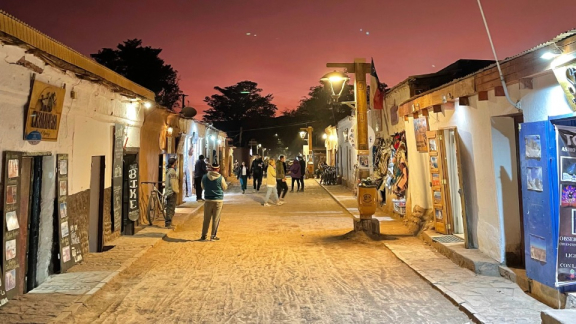
Chile is not a high-risk destination, but it should be assessed realistically. In central Santiago as well as in Valparaíso, Viña del Mar, Calama, and San Pedro de Atacama, pickpocketing has become more common, sometimes involving violence. Other relevant risks include drugging incidents, distraction scams, credit card fraud, and carjackings. In parts of Araucanía, Biobío, Los Lagos, and Los Ríos, the situation is more tense, with recurring acts of violence and roadblocks. In addition, there are natural hazards such as wildfires, earthquakes, volcanoes, and tsunami risk in coastal areas.
What expats should know:
- Take crime in major cities and tourist areas seriously
- Avoid walking after dark whenever possible
- Stay away from poorer neighborhoods unless you know the area well
- Be especially alert in bus terminals, airports, and large crowds
- In parts of the south, the situation is more tense
- Give demonstrations and roadblocks a wide berth
Tip for expats: In Chile, security is less a blanket countrywide issue and more a matter of neighborhood, time of day, and daily routine. Anyone who plans where they live, how they get around, and how they structure their day strategically can reduce risk noticeably.
What is the healthcare system like in Chile?
Chile’s healthcare system is clearly divided into two tiers. In major cities, medical care is comparable to Germany, while in rural areas medical services are often limited and can present technical and hygiene-related concerns. In addition, Chile has a mixed system made up of public coverage and a strong private sector. The GES program, part of the Chilean healthcare system, covers state-supported services for defined medical conditions.
At a glance:
- No mandatory vaccinations for direct entry from Germany
- Hepatitis A is a recommended travel vaccination
- Dengue risk exists mainly on Easter Island, and cannot be completely ruled out in the north
- Major cities are significantly better equipped medically
- Rural areas are weaker in terms of healthcare provision
- Medical evacuation insurance is advisable
Tip for expats: Chile is better positioned in terms of healthcare than many other countries in the region, but the standard is not the same everywhere. Especially outside major cities, access to clinics, insurance coverage, and an emergency strategy should be planned from the outset.

Are you planning to move to Chile?
With structured preparation, you can avoid financial surprises. Our moving cost calculator provides clarity — it's simple, convenient, and takes just a few steps.
Climate in Chile: How do weather patterns and temperatures differ?
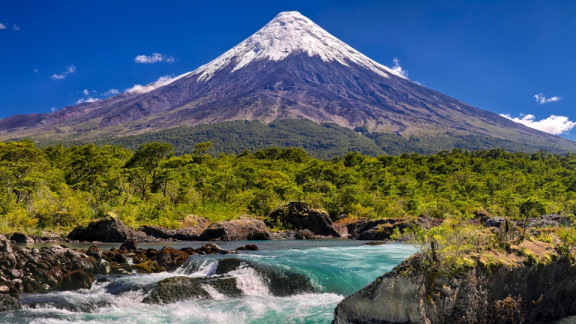
Climatically, Chile is one of the most diverse countries in the world. The north is desert-like and extremely dry, central Chile is temperate to Mediterranean, the south-central region is wetter and more forested, and the far south is cold, wet, and windy. That very range is what makes Chile attractive, but also challenging when it comes to choosing the right location. The country also faces natural hazards such as brush and forest fires, earthquakes, and volcanic activity.
What the climate means for your daily life:
- North: Atacama and desert climate
- Central Chile: temperate, Mediterranean in many areas
- South-central: wetter, greener, and often more pleasant
- Patagonia (the far south): cold, windy, and rugged
- Summer wildfires can affect infrastructure and everyday life
- Earthquake and volcanic risks are part of the reality
Tip for expats: Anyone who reads Chile as simply “mild and sunny” can quickly end up in the wrong place. In this country, the region has a bigger impact on quality of life than almost any other factor.
What shapes the language, culture, and daily life in Chile?
In Chile, Spanish is clearly the key to everyday life. Without solid Spanish skills, dealing with authorities, finding housing, and social integration all become unnecessarily difficult. At the same time, Chile is more urbanized and structured than many of its neighboring countries, while Indigenous influences — especially those of the Mapuche — are becoming increasingly visible.
What really helps in everyday life:
- Spanish is essential for everyday life and dealing with authorities
- Urban life is often faster-paced and more direct than elsewhere in South America
- Regional identities remain important
- Mapuche influences strongly shape parts of the south
- Relationships and reliability make everyday life easier
- Without language skills, integration becomes unnecessarily slow
Tip for expats: Good Spanish makes life in Chile much easier right away. Even more important, however, is taking the regional differences between the capital, the central region, and the south seriously.
What makes Chile special?
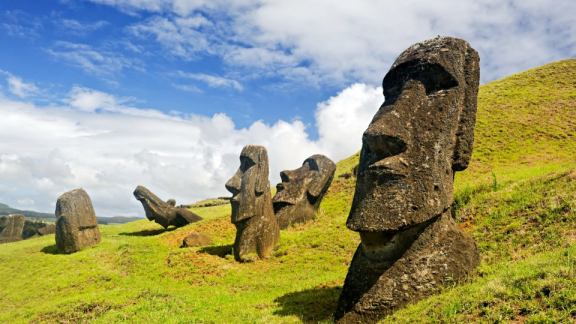
Chile stands out because of its extreme geographic range. Very few countries combine the driest desert on Earth, Mediterranean wine regions, lake landscapes, active volcanoes, fjords, glaciers, and Patagonia within a single national territory. That concentration of natural environments and climate zones is the country’s true USP.
In detail:
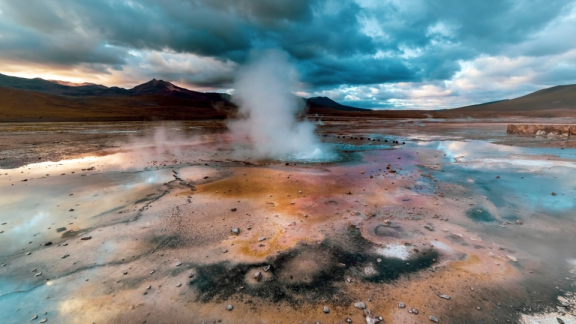
- Atacama as a global extreme of aridity
- Central Chile with wine and agricultural regions
- Lake and volcanic landscapes in the south
- Fjords and Patagonia as a defining natural profile
- Very long Pacific coastline
- High scenic diversity despite the country’s narrow shape
Tip for expats: That is exactly why Chile is exceptionally attractive for people looking for nature, outdoor living, clearly defined regional identities, and a strong sense of freedom of movement. The country does not feel spectacular because of a single landmark, but because of its overall range and diversity.
What should you bear in mind when moving to Chile with animals?
A move with pets to Chile is a formal process and should be prepared early. In addition to transportation, veterinary documentation, deadlines, vaccinations, and animal welfare all need to be coordinated properly. When entering Chile with dogs or cats, a "Certificado Veterinario Internacional" issued by the competent authority in the country of origin is required. This certificate may only be issued within a narrow timeframe before travel.
What you should keep in mind:
- Check your pet’s vaccination status early; rabies vaccination is mandatory
- Prepare all veterinary documents completely and pay attention to short validity periods
- A CVI or official veterinary certificate is required, and in some cases also an EU pet passport
- Train your pet to use the travel crate before the flight
- Coordinate entry requirements and airline regulations, and plan for border inspection
- Minimize stress for your pet on moving day
- Actively support your pet’s adjustment to the new home
Tip for expats: When relocating with pets to Chile, it is better to start too early than too late. Vaccination status, health certificates, flight planning, and the entry date all need to align seamlessly.

For whom is Chile a suitable destination for emigration?
Chile is especially well suited to people looking for a comparatively structured, economically solid, and regionally diverse country in South America. It is a strong fit for expatriate professionals, entrepreneurs, people connected to mining, energy, logistics, or agriculture, as well as expats who value nature, outdoor living, and clearly defined regional identities.
Checklist before emigrating to Chile:
✓ Check entry requirements and residence regulations for Chile
✓ Secure health insurance and medical care coverage in Chile
✓ Choose the right place to live in Chile and arrange your initial accommodation
✓ Plan your emigration budget for Chile, including a financial buffer
✓ Prepare your move to Chile carefully, including household goods and documents
✓ Use Spanish intentionally to make everyday life on the ground significantly easier
Conclusion: Emigrating to Chile can be highly attractive, especially because of its economic stability, regional diversity, and comparatively strong structure within the South American context. At the same time, the country requires a clear-eyed view of residence status, location choice, security, and climate.


FAQs for emigrating to Chile
What do I need to consider when moving to Chile?
Anyone planning to move to Chile should, above all, clarify matters such as entry requirements, residency status, health insurance, place of residence, budget, and language skills well in advance. Given the significant regional differences, thorough preparation is essential to ensure a structured and realistic start to daily life.
What are the visa and entry requirements for Chile?
German citizens can generally enter Chile without a visa for stays of up to 90 days. However, anyone wishing to live or work in Chile for a longer period must obtain the appropriate visa or residence permit in advance.
Is Chile a safe country to emigrate to?
Compared to other countries in the region, Chile is considered relatively well-organized. Nevertheless, expats should realistically factor in crime in major cities, certain conflict-prone regions in the south, and natural hazards such as earthquakes or fires. Where you live and your daily commute play a key role in this regard.
What is the healthcare system like in Chile?
The healthcare system in Chile is generally good in large cities, but significantly weaker outside urban centers. For expats, therefore, good health insurance and guaranteed access to medical care are particularly important.
What language is spoken in Chile?
The official language in Chile is Spanish. For everyday life, dealing with government agencies, finding housing, and integrating into society, Spanish is clearly the most important language.
What is the climate like in Chile?
The climate in Chile varies greatly. The north is very dry, central Chile has a temperate to Mediterranean climate, while the south and Patagonia are significantly cooler, wetter, and windier.
Who is moving to Chile a good fit for?
Chile is particularly well-suited for people who are looking for a relatively well-organized country in South America, can adapt to regional differences, and want to combine nature, economic opportunities, and a Spanish-speaking daily life. Chile is especially appealing to skilled professionals, entrepreneurs, and flexible expats with realistic plans.
Are you interested in moving to Chile or another destination country?
Then do not hesitate and contact us today.
Sabrina Klier
Customer Service & Sales - AIR & SEA