Emigrating to Egypt Visa, safety, costs, and climate in Egypt: a reality check
Emigrating to Egypt: The most important answers first
✓ Visa required: Entry is only possible with a visa; a longer stay requires the appropriate residence status.
✓ A strong economic position: Opportunities are strong in construction, logistics, tourism, energy, and international projects.
✓ Review the security situation carefully: Egypt varies significantly by region, so where you live should be planned carefully.
✓ Plan healthcare coverage strategically: Healthcare is better in major cities, but private health insurance remains important.
✓ Hot and dry climate: Plenty of sunshine, high temperatures, and regional differences shape everyday life across the country.
✓ Language skills: English helps in everyday life, but Arabic makes integration and daily routines significantly easier.
✓ What makes Egypt stand out: Egypt combines thousands of years of history, a strategic location, and a major regional market.
✓ Moving with pets: Good preparation and complete documentation are essential.
Make move easy with DACHSER & KOLB. Use our moving cost calculator. Get a quote and consultation. Book a tour. Move.
Facts about Egypt

Capital City
Kairo

Population
111 million

Surface Area
622,613.93 mi² or 1,002,000 km²
Continent
Africa

Official Language
Arabic

Currency
Egyptian Pound (EGP)
What are the customs, visa, and entry requirements for Egypt?
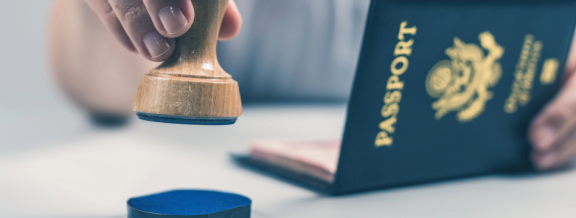
Anyone planning to emigrate to Egypt should not treat entry requirements, purpose of stay, and the relocation itself as separate issues. German citizens need a visa to enter the country. Options include applying for a visa in advance, using an eVisa, or obtaining a visa on arrival. However, tourist entry is not sufficient for a longer stay or employment, and violations of the stated purpose of stay or visa duration can lead to serious consequences.
Documents required for entry:
- Passport: Yes – required and must be valid for at least 6 months.
- Temporary passport: Yes – accepted.
- National ID card: Yes – with 2 passport photos & an entry card, but not accepted everywhere.
- Temporary national ID card: No – not permitted.
- Child passport: Yes – accepted.
Tip for expats: For Egypt, the rule is: status first, shipment second. Anyone who aligns their visa, purpose of stay, residential planning, and import process properly will avoid unnecessary friction later with authorities and border officials.
Is Egypt economically attractive?
Egypt is an economically important market with real regional leverage. The World Bank describes it as a broadly based economy supported by agriculture, industry, and services. Particularly attractive sectors include industry, construction, logistics, tourism, services, energy, and all areas connected to Egypt’s strategic advantage between Africa, Europe, and Asia.
Key facts at a glance:
- Strong growth, with average GDP growth of 4–5% per year (1992–2025).
- Income distribution: Gini coefficient = 28.5 (0 = perfect equality; 100 = maximum inequality)
- Large domestic market
- Strategic location with the Suez Canal effect
- Opportunities in construction, infrastructure, industry, manufacturing, tourism, and services
- Logistics and energy remain relevant
Tip for expats: Egypt is not a low-complexity market. Anyone looking to succeed there economically needs a strong network, a clear route to market, and a realistic view of processes, currency, and financing.
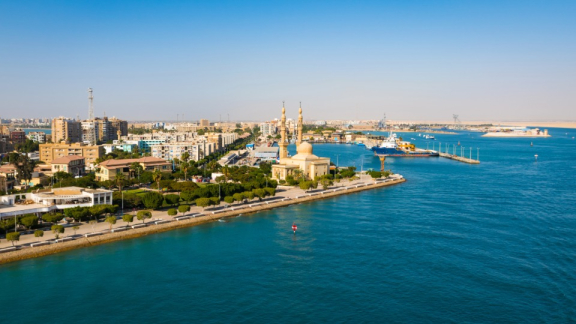
Safety in Egypt: What do expats need to know?
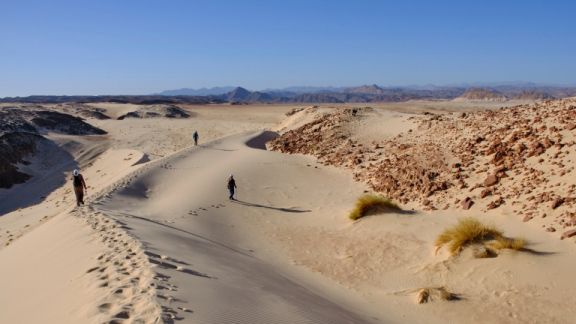
Egypt should be assessed with nuance from a security perspective. Travel warnings apply to the northern Sinai Peninsula, the Egyptian-Israeli border area, and remote parts of the Sahara. In southern Sinai, unaccompanied individual excursions and overland travel are discouraged. At the same time, the country is generally considered more stable than some of its neighboring states, even though there is still a nationwide terrorism risk and petty crime, isolated cases of fraud, and harassment can occur in urban areas.
What expats should know:
- Partial travel warning for North Sinai and border areas
- Avoid remote desert regions
- Travel in South Sinai only with сопровождением and through licensed providers
- Keep the nationwide terrorism risk in mind
- In cities, pickpocketing and fraud are possible
- Choose your residential area and daily routes carefully
Tip for expats: In Egypt, location choice is critical. Anyone who focuses on Cairo, Alexandria, or established coastal locations and plans daily routines professionally can reduce risk significantly.
What is the healthcare system like in Egypt?
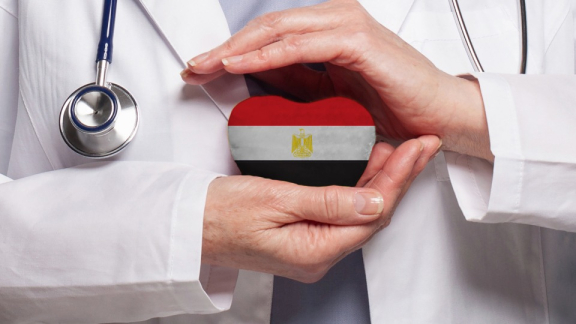
Egypt’s healthcare system is clearly divided. In Cairo, medical care is adequate, but outside Cairo — and even in tourist centers — it often falls below Western European standards. In addition, upfront payment, high treatment costs, and sometimes problematic billing practices are common. From a medical standpoint, drinking water and food hygiene are also important concerns, along with the risk of dengue fever and schistosomiasis.
At a glance:
- No yellow fever vaccination requirement for direct entry from Germany
- Hepatitis A is an important travel vaccination; for long-term stays, additional vaccinations should be reviewed
- Cairo is better equipped medically, while care outside Cairo is in some cases significantly weaker
- Avoid freshwater because of the risk of schistosomiasis
- Dengue fever is a concern along the Red Sea and in parts of South Sinai
Tip for expats: In Egypt, healthcare should not be treated as a side issue. Strong private health insurance with medical repatriation coverage, reliable access to clinics, and a solid vaccination and hygiene setup are part of the basic package.
Are you planning to move to Egypt?
With structured preparation, you can avoid financial surprises. Our moving cost calculator provides clarity — it's simple, convenient, and takes just a few steps.
Weather, temperatures, and seasons – what is the climate like in Egypt?
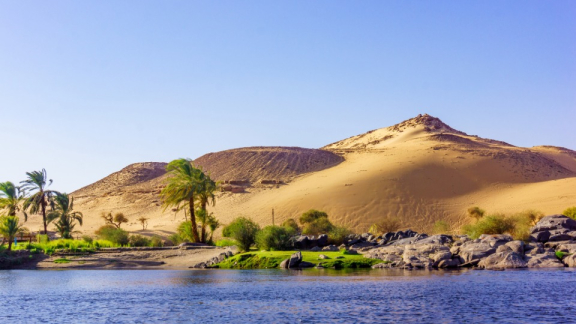
Egypt lies within North Africa’s arid belt and is climatically very diverse. Along the Mediterranean coast and in the Nile Delta, the climate is more Mediterranean, while Cairo, Middle Egypt, and Upper Egypt are clearly shaped by desert conditions. On top of that, there is abundant sunshine year-round, very little rainfall, and the typical sandstorms in spring. As a result, not only temperatures but also dust, air quality, and regional differences are important factors to consider.
What the climate means for your daily life:
- Mediterranean coast: milder and slightly more humid
- Nile Delta: more moderate than inland areas
- Cairo and the Nile Valley: very hot in summer
- Upper Egypt: dry and extremely hot
- Plenty of sunshine year-round
- Spring: sandstorms and reduced visibility are possible
Tip for expats: In Egypt, climate is a real location factor. Anyone focusing only on sunshine can easily underestimate the impact of heat, dust exposure, and sandstorms on everyday life, housing, and mobility.
Diversity in Egypt – language, culture, and everyday life
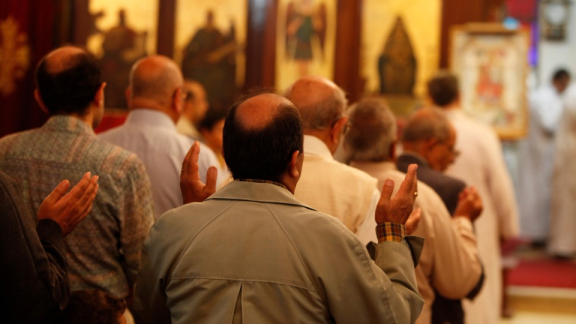
In everyday life, Arabic is clearly the essential foundation. At the same time, many educated Egyptians are also comfortable in English or French, especially in urban and international settings. Culturally, Egypt is strongly shaped by the Arab-Islamic world, but it also has a distinct identity of its own thanks to Coptic traditions, urban diversity, and Cairo’s role as the cultural center of the Arab world.
What really helps in everyday life:
- Arabic is the language of everyday life
- English is helpful in business and tourism
- French can also be useful in certain situations
- Religion shapes public life
- Cairo has a particularly strong cultural influence
- Social norms tend to be more formal than in Germany
Tip for expats: English will get you further in Egypt than in many other countries in the region. But everyday life becomes much easier with basic Arabic skills and a sensitive approach to social and religious norms.
What makes Egypt special?
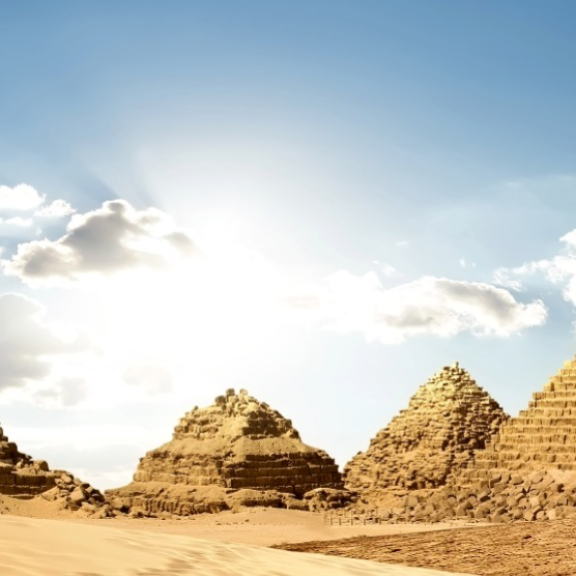
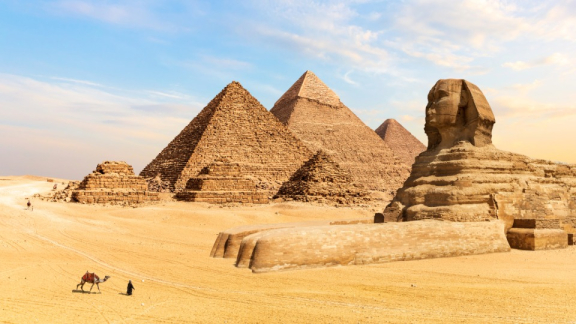
Egypt is one of the few countries that so directly combines ancient world history, a global trade position, and modern metropolitan centers. The pyramid fields from Giza to Dahshur are part of a UNESCO World Heritage Site, and the Nile has shaped the country’s settlement patterns, agriculture, and identity for thousands of years. Added to that is the Suez Canal as a strategic link between the Mediterranean and the Red Sea — a true global location advantage.
In detail:
- Pyramids and ancient cultural heritage
- The Nile as the country’s lifeline
- The Suez Canal as a factor in global trade
- Cairo as a cultural heavyweight
- A link between Africa, the Arab world, and Europe
- Strong historical and geopolitical significance
Tip for expats: Egypt is not defined by its history alone. The country combines cultural depth with a truly strategic location. That combination is exactly what makes it especially appealing to many expats.
What should you bear in mind when moving to Egypt with animals?
A move with pets to Egypt is a formal process and should be prepared early. In addition to transportation, veterinary documentation, deadlines, vaccinations, and animal welfare all need to be carefully coordinated. In general, a veterinary health certificate, proof of a valid rabies vaccination, and in some cases additional lab results or titer tests are required. The documents should be available in English.
What you should keep in mind:
- Check your pet’s vaccination status early; rabies vaccination is required
- Prepare all veterinary documents completely ; they must be available in English
- Train your pet to use the travel crate before the flight
- Coordinate entry requirements and airline regulations
- Minimize stress for your pet on moving day
- Actively support your pet’s adjustment to the new home
- Coordinate early with your veterinarian and the embassy
Tip for expats: When relocating with pets to Egypt, document quality is what matters most. Anyone who organizes vaccination records, health certificates, translations, and flight clearance early will avoid unnecessary pressure just before departure.

For whom is Egypt a suitable destination for emigration?
Egypt is especially well suited to people looking for a large market, a strategic location, and a daily life shaped by the intersection of the Arab world, Africa, and Europe. It is a strong fit for entrepreneurs, expatriate professionals, and people connected to logistics, construction, energy, tourism, or international project business. Egypt is less suitable for those expecting administrative simplicity, Western European standards, and a risk-free environment.
Checklist before emigrating to Egypt:
✓ Check entry requirements and residence regulations for Egypt
✓ Secure health insurance and medical care coverage in Egypt
✓ Choose the right place to live in Egypt and arrange your initial accommodation
✓ Plan your emigration budget for Egypt, including a financial buffer
✓ Prepare your move to Egypt carefully, including household goods and documents
✓ Build basic Arabic skills and use English to make everyday life significantly easier
Conclusion: Emigrating to Egypt can be highly attractive, especially because of its strategic location, economic relevance, and exceptional cultural depth. At the same time, the country requires a clear-eyed view of entry requirements, security, healthcare, and everyday life.


FAQs for emigrating to Egypt
What do I need to consider when emigrating to Egypt?
Anyone planning to emigrate to Egypt should start by carefully planning their visa, residence status, health insurance, place of residence, budget, and security situation. Especially for a longer stay, thorough preparation is essential to ensure a structured and smooth start to everyday life.
What visa and entry requirements apply to Egypt?
German citizens generally need a visa to enter Egypt. Depending on the purpose of travel, this may be an eVisa or a visa on arrival, but permanent emigration or employment requires a more comprehensive residence arrangement.
Is Egypt a safe country to emigrate to?
Egypt should be assessed with nuance from a security perspective. The country is not unsafe across the board, but there are clearly defined high-risk regions, along with issues such as terrorism concerns, border areas, and a heightened need for security awareness in daily life that should be taken into account when planning an emigration.
What is the healthcare system like in Egypt?
Egypt’s healthcare system is better developed in major cities than in many other parts of the country. Overall, however, medical care often falls below Western European standards. For expats, strong private health insurance with reliable coverage and medical repatriation benefits is therefore especially advisable.
What language is spoken in Egypt?
The official language of Egypt is Arabic. English is helpful in international, tourism, and professional contexts, but in everyday life, Arabic is the key to real integration.
What is the climate like in Egypt?
Egypt’s climate is predominantly dry, sunny, and warm, but it varies by region. Coastal areas are generally somewhat milder, while Cairo, the Nile Valley, and Upper Egypt can become very hot and dusty in summer.
Who is Egypt a suitable emigration destination for?
Egypt is especially well suited to people looking for a large market, plenty of sunshine, and a base between Africa, the Middle East, and Europe. The country is particularly attractive for entrepreneurs, skilled professionals, and people involved in construction, logistics, tourism, energy, or international project business.
Are you interested in moving to Egypt or another destination country?
Then do not hesitate and contact us today.
Sabrina Klier
Customer Service & Sales - AIR & SEA