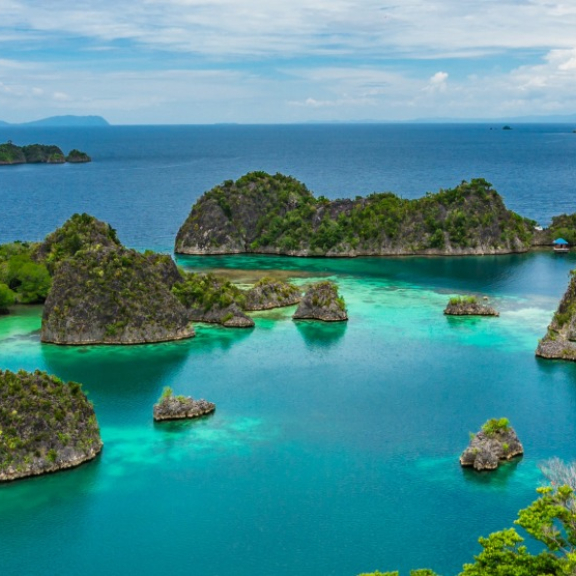
Emigrating to Indonesia Visa, safety, costs, and climate in Indonesias: a reality check
Emigrating to Indonesia: The most important answers first
✓ Visa required: Depending on the purpose of stay, either a Visa on Arrival or the appropriate visa in advance is required.
✓ A large and dynamic economy: Opportunities exist especially in services, while networks remain important.
✓ Security varies by region: Pay attention to factors such as natural hazards, road traffic, and local laws.
✓ Public healthcare system improving, while good private care is available in major cities and private coverage remains important.
✓ A tropical and humid climate: The rainy and dry seasons strongly shape everyday life.
✓ Language skills: Everyday life is partly English-friendly, but knowledge of Bahasa Indonesia offers clear advantages.
✓ Special feature: An island nation with volcanoes, cultural diversity, and strong regional dynamism.
✓ Moving with pets: Good preparation, an import permit, and quarantine are required.
Relocating made easy with DACHSER & KOLB. Use our moving cost calculator. Get a quote and consultation. Book a tour. Move.
Facts about Indonesia

Capital City
Jakarta

Population
285.1 million

Surface Area
1,183,712.12 mi² or 1,905,000 km²

Continent
Asia

Official Language
Bahasa Indonesian

Currency
Indonesian Rupiah (IDR)
What are the customs, visa, and entry requirements for Indonesia?
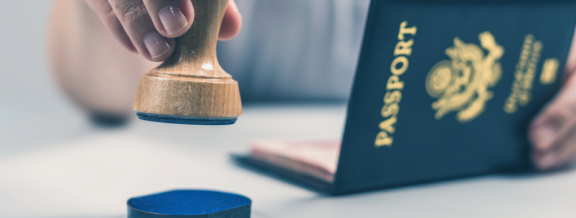
Anyone planning to emigrate to Indonesia needs to clearly distinguish between short-term entry and long-term residence. Depending on the purpose of travel, Visa on Arrival, e-visas, or other residence solutions may be relevant. In addition, a digital Arrival Card is currently required before entry.
Documents required for entry:
- Passport: Yes
- Temporary passport: Yes, if a visa has been issued in advance
- National ID card: No
- Temporary national ID card: No
- Child passport: Yes, provided it has not been extended or updated
Tip for expats: In Indonesia, a smooth start depends on getting the documentation logic right. First make sure the visa, passport validity, and entry process are fully compliant, then coordinate the move, household goods, and arrival timing.
What is the economic situation and cost of living like in Indonesia?
Indonesia is one of Southeast Asia’s most important growth markets and is economically much larger than many classic expat destinations in the region. The economy is considered highly resilient and is expected to continue growing in the coming years.
Key facts at a glance:
- Very strong growth, with average GDP growth of 4–5% per year (2000–2025).
- Income distribution: Gini coefficient = 34.4 (0 = perfect equality; 100 = maximum inequality)
- Large domestic market
- Opportunities in services and digitalization
- Jakarta remains the economic center
- Regional differences are very pronounced
- Living costs vary greatly depending on location
Tip for expats: Indonesia is economically attractive, but it is not one uniform market. Anyone who evaluates salary, place of residence, schooling, mobility, and health insurance by location will make better decisions.
Safety in Indonesia: What do expats need to know?
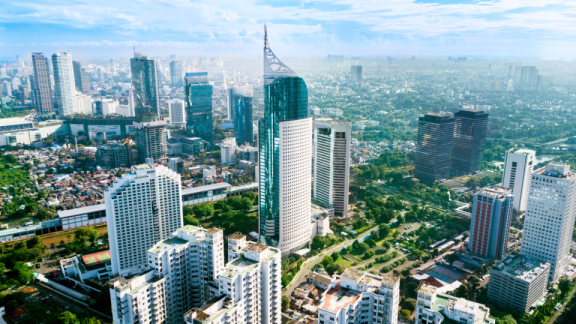
The security situation in Indonesia depends heavily on the region. For expats, it is not only classic security questions that matter, but also natural hazards, traffic, legal particularities, and isolated terrorism risks in heavily frequented places.
What expats should know:
- Earthquake and volcanic risk are relevant nationwide
- Tsunamis are possible in coastal regions, and international hotels and Western facilities can also be affected
- Transport infrastructure is often below European standards
- Pay attention to strict laws and local particularities
- The province of Aceh has additional religiously influenced rules
Tip for expats: Security in Indonesia is not a simple yes-or-no issue, but a location issue. Your place of residence, daily routes, and emergency planning should always be tailored to the specific island and region.

What is the healthcare system like in Indonesia?
Indonesia is continuing to expand general healthcare coverage, but clear differences in quality and access still remain. For expats, good private clinics in metropolitan areas and solid health insurance are therefore usually especially important.
At a glance:
- General healthcare coverage continues to expand
- Differences in care between regions remain
- Private clinics are often the better choice for expats
- Check vaccination status before departure
- Take mosquito-borne diseases into account
- Do not use tap water as drinking water
Tip for expats: Healthcare in Indonesia should be planned carefully in advance. Anyone who clarifies insurance, clinic networks, vaccination status, and regional health risks before departure will avoid problems after the move.

Are you planning to move to Indonesia?
With structured preparation, you can avoid financial surprises. Our moving cost calculator provides clarity — it's simple, convenient, and takes just a few steps.
Climate in Indonesia: What conditions can expats expect?
Indonesia has a predominantly tropical climate with warm temperatures year-round, high humidity, and clearly defined rainy and dry seasons. At the same time, coastlines, highlands, and individual islands differ noticeably, which has a clear impact on housing, daily comfort, and travel planning.
What the climate means for your daily life:
- Tropical climate
- Coastal regions average around 28°C
- High humidity, often between 70 and 90 percent
- Dry season, in most regions from April to October
- Rainy season, in most regions from November to March
- Higher elevations are noticeably cooler
Tip for expats: Indonesia’s tropical climate should be part of every relocation plan. Anyone who aligns their place of residence, commuting routes, and arrival timing with the climate will avoid unnecessary strain.

Diversity in Indonesia? – Language, culture, and everyday life
Bahasa Indonesia is the national and official language, while many ethnic languages, religions, and regional traditions also shape everyday life. English helps in major cities and tourist hotspots, but it is not enough in every region for a consistently smooth everyday life.
What really helps in everyday life:
- Bahasa Indonesia is the official language
- Many regional languages and dialects
- English is more common in major cities and tourist regions
- Cultural diversity is very high
- Take local laws and rules of conduct seriously
- Drug laws are extremely strict
Tip for expats: In Indonesia, cultural sensitivity pays off. Anyone who respects local rules and builds up basic Bahasa Indonesia skills will settle into everyday life much faster and more smoothly.
What makes Indonesia special?
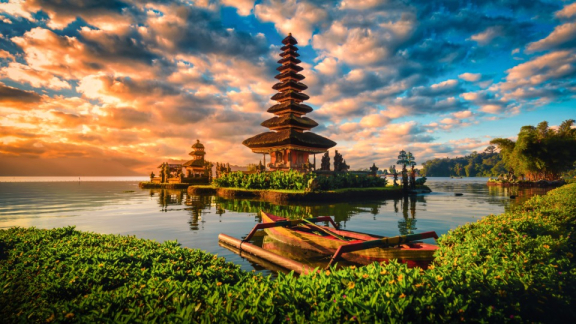
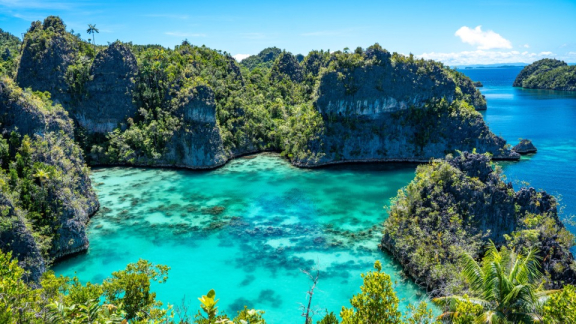
Indonesia is the largest island nation in the world and stands out because of its enormous scenic and cultural range. Volcanoes, rainforest, beaches, temples, megacities, and island cultures lie close together and make the country especially appealing for many expats.
In detail:
- More than 17,000 islands
- Volcanoes and tropical nature strongly shape the country
- Bali, Java, and Yogyakarta as major points of attraction
- High cultural diversity
- The capital relocation to Nusantara is underway
- A strong mix of tradition and dynamism
Tip for expats: Indonesia is especially suited to people who are not just looking for sun and beaches, but who want to experience diversity, movement, and regional differences consciously. That broad range is the country’s greatest location advantage.
What should you bear in mind when moving to Indonesia with animals?
A move with pets to Indonesia is possible, but formally much more demanding than in many European destination countries. The key requirements are an import permit, health documentation, proof of rabies vaccination, and the subsequent quarantine.
What you should keep in mind:
- Check your pet’s vaccination status early, as rabies vaccination is mandatory
- Prepare all veterinary documents completely in advance, including an official health certificate
- Train your pet to use the travel crate before the flight
- Coordinate entry requirements and airline regulations, as an Import Permit is required
- Minimize stress for your pet on moving day
- Actively support your pet’s adjustment to the new home
- Notification before arrival is required
- Quarantine is required after entry
Tip for expats: When relocating with pets to Indonesia, precision is what matters. Anyone who starts permits and veterinary paperwork early will avoid delays, extra costs, and unnecessary stress for both pet and owner.

For whom is Indonesia a suitable destination for emigration?
Indonesia is especially well suited to people looking for a tropical environment, cultural diversity, and a dynamic market. It is a good fit for expats, entrepreneurs, digitally oriented professions, and people who can consciously deal with regional differences, a higher level of organizational effort, and a different infrastructure standard.
Checklist before emigrating to Indonesia:
✓ Check entry requirements and residence regulations for Indonesia
✓ Secure health insurance and medical care coverage in Indonesia
✓ Choose the right place to live in Indonesia and arrange your initial accommodation
✓ Plan your emigration budget for Indonesia, including a financial buffer
✓ Prepare your move to Indonesia carefully, including household goods and documents
✓ Use English and settle into everyday life faster with Bahasa Indonesia
Conclusion: Indonesia is an attractive emigration destination for anyone who values a tropical climate, cultural diversity, and a dynamic environment. The country is especially appealing because of its unique landscapes, economic development, and enormous regional variety – provided that entry, healthcare planning, and location choice are well prepared.


FAQs for emigrating to Indonesia
What do I need to consider when emigrating to Indonesia?
Anyone planning to emigrate to Indonesia should clarify visas, residence status, health insurance, budget, place of residence, and the regional security and health situation early on. It is also important to remember that Indonesia consists of many islands with sometimes very different living conditions.
Do I need a visa for Indonesia?
For German citizens, entry is possible either with a Visa on Arrival or with a visa obtained in advance, depending on the purpose and duration of stay. In addition, Indonesia currently requires a digital Arrival Card, which must be submitted within 72 hours before entry.
Is Indonesia a good country to work in?
Indonesia is economically interesting, especially because of its size, stable growth, and role as a major market in Southeast Asia. Metropolitan areas such as Jakarta are particularly relevant, as are growth regions in services, digitalization, infrastructure, and tourism.
How safe is Indonesia for expats?
Indonesia is generally a safe destination, but everyday security depends heavily on region and situation. Relevant factors include the risk of terrorism in heavily frequented places, natural hazards such as earthquakes and volcanic eruptions, traffic risks, and strict local laws.
What is the healthcare system like in Indonesia?
The healthcare system continues to develop, and Indonesia is expanding general healthcare coverage. At the same time, differences in access and quality remain, which is why private clinics in metropolitan areas are often the better choice for expats and strong health insurance remains essential.
What language do I need in Indonesia?
Bahasa Indonesia is the national and official language. English is not spoken consistently everywhere, but it is understood much more often in large cities and tourist-oriented regions than in rural areas.
Can I emigrate to Indonesia with a dog or cat?
Yes, relocating with pets to Indonesia is generally possible, but formally demanding. Requirements include an import permit, an official health certificate, proof of rabies vaccination, and quarantine after arrival.
Are you interested in moving to Indonesia or another destination country?
Then do not hesitate and contact us today.
Sabrina Klier
Customer Service & Sales - AIR & SEA