Emigrating to Ireland Visa, safety, costs, and climate in Ireland: a reality check
Emigrating to Ireland: The most important answers first
✓ Visa-free entry: Entry is possible without a visa, with free movement rights required for longer stays.
✓ An international and dynamic economy: Opportunities exist especially in tech, finance, pharma, and medtech.
✓ A generally stable security situation: Petty crime in hotspots and car break-ins are possible.
✓ A mixed healthcare system: Public healthcare exists, but private cover is often advisable.
✓ A mild and changeable climate: Mild winters, temperate summers, and plenty of rain.
✓ Language skills: Everyday life is English-speaking, while Irish remains culturally visible.
✓ Special feature: The Atlantic coast, pub culture, and green landscapes shape the country.
✓ Moving with pets: Good preparation, pet documentation, and additional requirements for dogs are necessary.
Relocating made easy with DACHSER & KOLB. Use our moving cost calculator. Get a quote and consultation. Book a tour. Move.
Facts about Ireland

Capital City
Dublin

Population
5.43 million

Surface Area
27,132 mi² or 70,273 km²

Continent
Europe

Official Language
Irish, English

Currency
Euro (EUR)
What are the customs, visa, and entry requirements for Ireland?
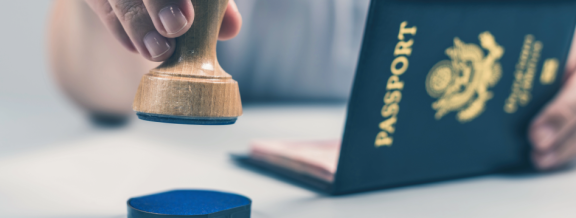
A passport or ID card is sufficient for German citizens to enter Ireland, and no visa is required. EU citizens can initially enter and stay without special conditions. For a longer stay, they must exercise their right to free movement, for example through work, self-employment, studies, or sufficient personal means. A classic immigration registration is not required for EU citizens in Ireland.
Documents required for entry:
- Passport: Yes
- Temporary passport: Yes
- National ID card: Yes
- Temporary national ID card: Yes
- Child passport: Yes
Tip for expats: Because Ireland looks so straightforward, residence and administrative obligations are often overlooked. Sort out the legal side first, then organize the move.
Economy in Ireland: What opportunities are there for expats?
Ireland is internationally oriented and remains attractive for skilled professionals, especially in technology, financial services, biopharma, medtech, engineering, business services, and the green economy. At the same time, the labor market remains robust, but is under pressure because of high housing costs. Anyone moving there should look at salary, rent, daily expenses, and commuting together, especially in Dublin.
Key facts at a glance:
- Very strong growth, also compared with the EU, with average GDP growth of 5–6% per year (1996–2026).
- Income distribution: Gini coefficient = 29 (0 = perfect equality; 100 = maximum inequality)
- Strong sectors with an international profile, with good opportunities in tech and finance
- Biopharma and medtech as growth drivers, business services and engineering strongly positioned
- Robust labor market
- The housing market as the biggest bottleneck
Tip for expats: In Ireland, salary alone is not enough. Only the mix of housing costs, job, location, and everyday expenses shows whether the fresh start really works.
Safety in Ireland: What do expats need to know?
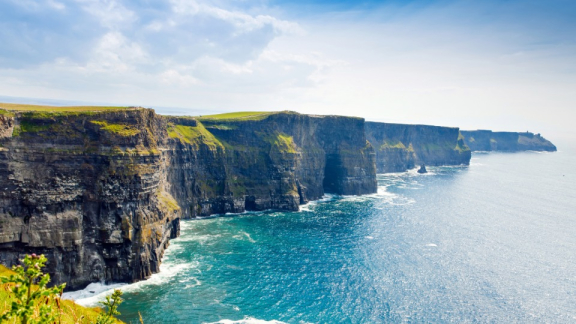
Ireland is generally a stable and safe destination for emigrating. In everyday life, the main issues are typical urban risks such as pickpocketing at tourist spots, vehicle theft, and car break-ins. Violent crime is rare. In addition, natural and weather-related risks should not be ignored. Strong Atlantic storms with heavy rain, flooding, and infrastructure damage can occur. Surf, wave force, and unsecured cliffs should also be taken seriously.
What expats should know:
- Petty crime in hotspots
- Pickpocketing at tourist sites
- Car break-ins in unguarded parking or camping areas
- Violent crime comparatively rather rare
- Storms and heavy rain are seasonally relevant, and flooding can also occur (especially between September and December)
- Act carefully along coasts and cliffs
Tip for expats: Security issues are usually not a major concern in Ireland. With normal everyday precautions and a realistic view of weather and coastal risks, the location can be assessed well.
What is the healthcare system like in Ireland?
Ireland’s healthcare system is both public and private. Because of waiting times, many people also use private insurance. The EHIC (European Health Insurance Card) only applies to necessary public services during short stays. Anyone living in Ireland permanently should clarify early how they are covered in the system and whether additional private insurance makes sense. If the requirements are met, a Medical Card can be applied for.
At a glance:
- Public and private systems operating side by side
- Public healthcare provided through the state health service
- EHIC only for public services
- A Medical Card can cover many costs
- Private cover is often advisable
- Take waiting times in the public system into account
Tip for expats: In Ireland, healthcare is above all a structural issue. Anyone who clarifies coverage, responsibilities, and their own access to the system before moving will save time, money, and uncertainty later on.

Are you planning to move to Ireland?
With structured preparation, you can avoid financial surprises. Our moving cost calculator provides clarity — it's simple, convenient, and takes just a few steps.
What is the climate like in Ireland?
Ireland has a temperate maritime climate with mild winters, generally moderate summers, and frequent rapid weather changes. The climate is less harsh than many expect, but much more changeable and wetter than it often looks in photos. Rain, wind, and sudden changes are part of normal daily life in Ireland. Anyone living here does not plan against the weather, but with it.
What the climate means for your daily life:
- Temperate maritime climate
- Winters are usually mild
- Summers mostly moderate
- The weather often changes quickly
- Rain and wind shape everyday life
- Atlantic storms are seasonally possible
Tip for expats: Climate is not a side issue in Ireland. Anyone who adapts clothing, housing location, and daily routines to wind, rain, and rapid weather changes will settle in much faster.

Diversity in Ireland? – Language, culture, and everyday life
Irish and English are official languages, but English clearly dominates in everyday life. Irish remains culturally visible and still plays a special role in certain regions and in the public sphere. Culture is shaped by community, pub culture, music, and regional identity. Everyday life often feels open and communicative, yet grounded. Especially outside Dublin, there is a stronger connection between nature, neighborhood, and local rootedness.
What really helps in everyday life:
- English is the clear everyday language
- Irish remains culturally visible
- An easier linguistic start for expats
- Pub culture and music are highly visible
- Everyday life often feels open and communicative
- Outside Dublin, life is often calmer and more locally rooted
Tip for expats: In Ireland, English helps enormously when getting started. Truly settling in works better, however, if you also embrace the local culture and do not stay exclusively within international work environments.
What makes Ireland special?
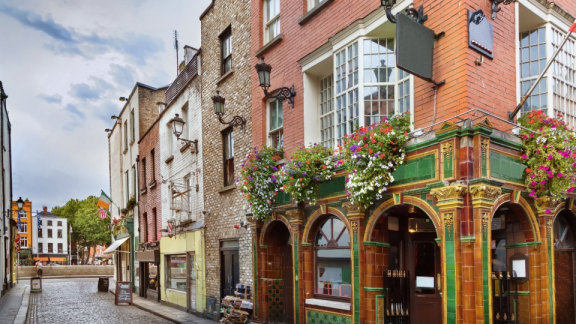
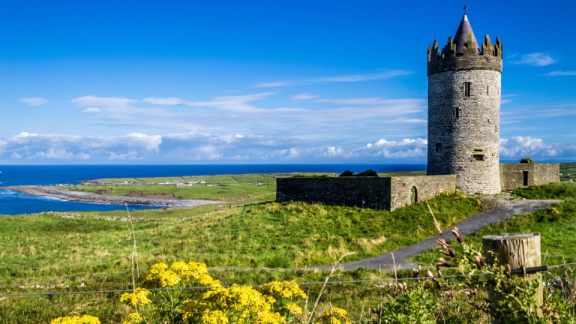
Ireland stands out through the combination of English-speaking everyday life, a strong economy, and exceptional landscapes. Coasts, cliffs, green hills, small towns, and Dublin as an international center all lie comparatively close together. In addition, Ireland combines EU membership and the eurozone with English as the everyday language and a strong presence of global companies. In a European comparison, that is a powerful setup.
In detail:
- An English-speaking EU location
- Eurozone as an advantage
- Strong presence of international companies
- Coasts and green landscapes as trademarks
- Dublin as a global business location
- A lot of nature despite the international environment
Tip for expats: Coasts, cliffs, green landscapes, and small towns lie surprisingly close to Dublin as an international center. Anyone wanting to combine nature and career will find a strong mix here.
What should you bear in mind when moving to Cyprus with animals?
A move with pets to Ireland is generally easy to plan, but more formal than in some other EU destination countries. In addition to transport, veterinary documents, deadlines, vaccinations, and animal welfare need to be coordinated properly. The key requirements are a microchip, a valid rabies vaccination, and complete pet documentation. In the case of dogs, a tapeworm treatment shortly before entry is often also required.
What you should keep in mind:
- Check your pet’s vaccination status early, as a valid rabies vaccination is required
- Prepare pet documentation fully and check it in time
- Microchip required
- Train your pet to use the travel crate before the flight
- Coordinate entry requirements and airline rules
- Minimize stress for your pet on moving day
- Actively support your pet’s adjustment to the new home
- Tapeworm treatment for dogs is often mandatory
Tip for expats: When moving pets to Ireland, completeness matters more than speed. Anyone who checks vaccination status, deadlines, and additional requirements in good time will avoid unnecessary delays.

For whom is Ireland a suitable destination for emigration?
Ireland is especially suitable for EU citizens, skilled professionals with an international profile, people with strong English skills, and anyone wanting to combine a dynamic work environment with abundant nature. The country is particularly strong for profiles in tech, finance, life sciences, engineering, and business services. It is less suitable for anyone who underestimates housing costs, budget needs, and everyday prices, especially in high-demand regions.
Checklist before emigrating to Ireland:
✓ Check entry requirements and residence regulations for Ireland
✓ Secure health insurance and medical care coverage in Ireland
✓ Choose the right place to live in Ireland and arrange your initial accommodation
✓ Plan your emigration budget for Ireland, including a financial buffer
✓ Prepare your move to Ireland carefully, including household goods and documents
✓ Use English and consciously engage with everyday Irish culture
Conclusion: Ireland is a strong emigration destination for anyone looking for an English-speaking EU country with a dynamic economy and abundant nature. The strong job market, international environment, and the mix of urban life and wide landscapes make the country especially attractive.


FAQs for emigrating to Ireland
Do I need a visa for Ireland?
No. German citizens can enter Ireland with a valid passport or ID card. For EU citizens, there is no classic visa and no registration with immigration, but for a longer stay the right of free movement must be exercised, for example through work, self-employment, study, or sufficient personal means.
What do I especially need to consider when emigrating to Ireland?
Anyone planning to emigrate to Ireland should not only plan entry, but above all settlement. Key points are the PPS Number (Irish personal identification number), choice of location, health insurance, realistic housing costs, and the question on what basis you will live and work in Ireland.
What is the PPS Number in Ireland?
The PPS Number is the personal reference number used for many public services and administrative processes in Ireland. It is needed, among other things, for work, taxes, social benefits, and other public services.
Is Ireland a good country to work in?
Yes, especially for skilled professionals with an international profile. Ireland is particularly strong in areas such as technology, financial services, biopharma, medtech, business services, engineering, and the green economy.
How high is the cost of living in Ireland?
Ireland is not a low-cost emigration destination. Housing costs are especially high in Dublin, and the housing market is currently one of the biggest operational hurdles when moving to Ireland.
How does the healthcare system work in Ireland?
Ireland has a mixed public and private healthcare system. Public services are provided through the state health service, while private cover is often used to reduce waiting times and create more flexible access.
Can I move to Ireland with a dog or cat?
Yes, that is generally easy to plan. The key requirements are a microchip, a valid rabies vaccination, and pet documentation. For dogs, a tapeworm treatment before entry is usually also required.
Are you interested in moving to Ireland or another destination country?
Then do not hesitate and contact us today.
Sabrina Klier
Customer Service & Sales - AIR & SEA