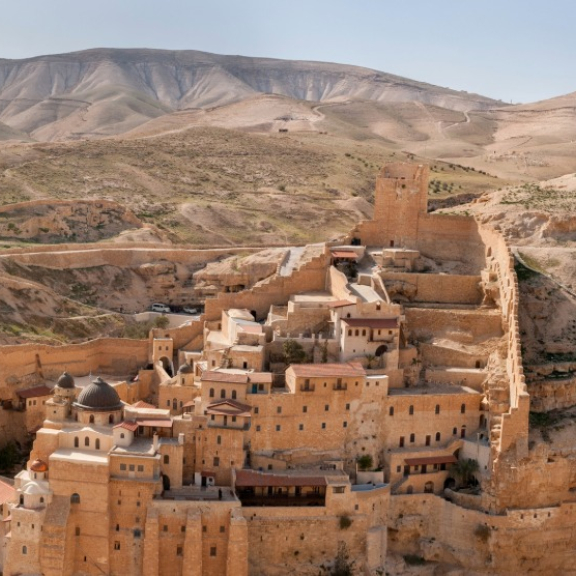
Emigrating to Israel Visa, safety, costs, and climate in Israel: a reality check
Emigrating to Israel: The most important answers first
✓ Entry with ETA-IL: Short stays are usually visa-free, but prior electronic authorization is mandatory.
✓ An innovation-driven economy: Opportunities exist especially in high-tech, healthcare, and services.
✓ The security situation is currently sensitive: Crime rates are low, but the situation must be reviewed continuously.
✓ A modern healthcare system: Medical care is of a high standard, but private coverage remains important for expats.
✓ A varied and sunny climate: The coast is Mediterranean, while the south is dry and hot.
✓ Language skills: Everyday life is often English-friendly, but Hebrew offers clear advantages.
✓ Special feature: A high-tech hub meets religious and historical diversity.
✓ Moving with pets: Good preparation, microchipping, vaccinations, and supporting documentation are required.
Relocating made easy with DACHSER & KOLB. Use our moving cost calculator. Get a quote and consultation. Book a tour. Move.
Facts about Mexico

Capital City
Jerusalem

Population
9.9 million

Surface Area
119499,004 mi² or 309,501 km²

Continent
Asia

Official Language
Hebrew

Currency
Schekel (NIS or LIS)
What are the customs, visa, and entry requirements for Israel?
For German citizens, a stay of up to three months is usually possible without a classic visa, but since January 2025 only with prior ETA-IL approval. In addition, there are clear rules regarding passport validity and, in special cases, separate entry permits as well. Recognized new immigrants may also be eligible, depending on status, for customs benefits on personal household goods.
Documents required for entry:
- Passport: Yes
- Temporary passport: Yes
- National ID card: No
- Temporary national ID card: No
- Child passport: Yes
Tip for expats: First clarify entry and residence status properly from a legal perspective, then set up the move. In Israel, a well-prepared document process noticeably saves time, money, and unnecessary follow-up questions.

Is Israel economically attractive?
Israel is one of the economically strong locations in the region and is especially attractive for qualified professionals. The OECD describes the economy as resilient despite the impact of the war and highlights the dynamic high-tech and AI sectors. At the same time, the country remains a high-cost location, which makes budget, salary, and the full expat package decisive factors.
Key facts at a glance:
- Robust growth, with average GDP growth of 3–4% per year (1996–2025).
- Income distribution: Gini coefficient = 38.3 (0 = perfect equality; 100 = maximum inequality)
- Strong high-tech hub, with AI and innovation as growth drivers
- Good opportunities in healthcare and research
- International services are relevant
- High cost and price level
- Review the salary package carefully
Tip for expats: Do not evaluate only the base salary, but the full package. In Israel, housing costs, insurance, school options, mobility, and security planning all influence whether the location is really the right economic fit.

Safety in Israel: What do expats need to know?
There is currently a warning against travel to Israel and the Palestinian Territories, and official guidance notes that Israel is formally in a state of war. For expats, this means that security factors should be built into the relocation plan from the very beginning.
What expats should know:
- Low crime rate
- Strong security infrastructure with shelters and highly advanced security systems, such as a missile defense system
- Take the current travel warning seriously, and monitor the regional situation continuously
- Follow security instructions strictly
- Choose your place of residence strategically
- Include an emergency and evacuation plan
- Prepare the arrival phase deliberately
Tip for expats: In Israel, the current situation should be closely monitored as part of relocation planning. Anyone who prepares the move, location choice, first weeks, and communication chains professionally can reduce later risks significantly.
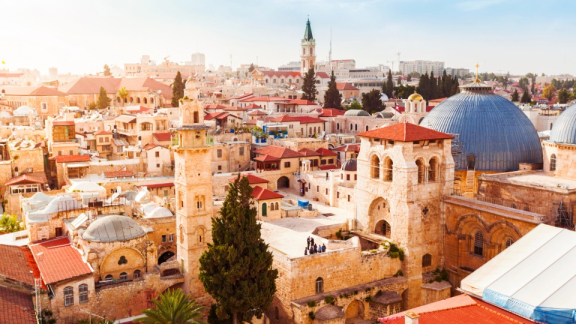
What is the healthcare system like in Israel?
Israel’s healthcare system is modern, efficient, and high-performing by international standards. According to the WHO, there is a national health insurance system for residents, with four nationwide health funds, and the medical standard in Israel is considered comparable to Germany. Even so, private coverage remains advisable for foreign employees.
At a glance:
- National health insurance for residents
- Four nationwide health funds
- High standard of medical care
- Emergency care is strongly organized by the state
- For expats, private insurance is often important
- Clarify vaccination status and medications in advance
Tip for expats: Do not treat health insurance as a formality. Anyone who clarifies access to the health fund, insurance, and medical emergency management before moving will start out much more securely in Israel.

Are you planning to move to Israel?
With structured preparation, you can avoid financial surprises. Our moving cost calculator provides clarity — it's simple, convenient, and takes just a few steps.
Climate in Israel: What differences should immigrants be aware of?
Israel offers very different climate zones within a small area. The whole country is very sunny. Along the coast, the climate is mostly Mediterranean, while the south and other parts of the country are much drier and more desert-like. This influences housing, energy needs, mobility, and everyday life more strongly than many people expect before moving.
What the climate means for your daily life:
- Lots of sunshine throughout the year
- Mediterranean climate along the coast
- The south is dry and desert-like
- Summers are often very hot
- Winters are regionally much milder
- Take climate into account when choosing where to live
Tip for expats: Climate is a real location factor in Israel. Anyone who clearly distinguishes between coast, major city, and desert regions when planning housing, commuting, and daily routines is planning much more realistically.

Diversity in Israel? – Language, culture, and everyday life
Anyone moving to Israel benefits from an international environment and a high level of English proficiency, especially in urban and professional contexts. In the long term, however, Hebrew remains the key lever for integration; at the same time, religious diversity, Shabbat, and regionally different cultural contexts have a noticeable impact on everyday life.
What really helps in everyday life:
- Hebrew is central in everyday life
- Arabic is also relevant
- English is widely spoken
- Shabbat shapes the weekly rhythm
- Treat religious sites with sensitivity
- Integration is much easier with Hebrew
Tip for expats: In Israel, the initial transition often works in English, but long-term integration works much better with Hebrew and cultural sensitivity. Anyone who understands and takes local conditions into account will settle in much faster.
What makes Israel special?
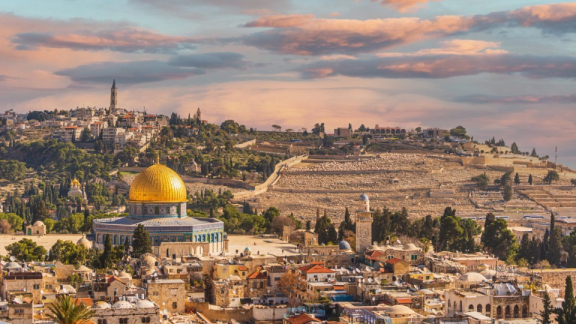
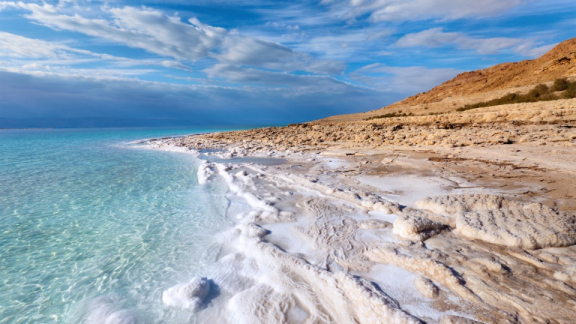
Israel stands out above all because of its exceptional density of contrasts: a modern high-tech economy, religious and historical centers, the Mediterranean coast, desert landscapes, and globally known places such as Jerusalem, Tel Aviv, the Dead Sea, and the Negev region all lie close together. It is exactly this combination of future, history, and geographic diversity that makes the country especially attractive for many expats.
In detail:
- High-tech and start-up culture
- Historic and religious key sites
- The Mediterranean and the desert close together
- Jerusalem and Tel Aviv as a contrasting pair
- The Dead Sea as a natural highlight
- High cultural density
Tip for expats: Israel is especially suited to people looking for both dynamism and cultural depth. This close link between innovation, history, and everyday life is one of the country’s clearest location advantages.
What should you bear in mind when moving to Israel with animals?
A move with pets to Israel is generally possible, but it requires precise preparation. According to the requirements of the Israeli veterinary authorities, a microchip, rabies vaccination, health certificate, and depending on the case additional supporting documents are required. For up to two animals, an exemption from the import license may even be possible under certain conditions.
What you should keep in mind:
- Check your pet’s vaccination status early, rabies vaccination is mandatory
- Prepare all veterinary documents completely and on time in advance, a health certificate is required
- Serological test may be required in some cases
- Train your pet to use the travel crate before the flight
- Coordinate entry requirements and airline regulations
- Minimize stress for your pet on moving day
- Actively support your pet’s adjustment to the new home
- A standard-compliant microchip is required
Tip for expats: When relocating with pets to Israel, precision matters more than speed. Anyone who organizes vaccinations, microchip, veterinary documents, and flight coordination early will avoid delays and unnecessary stress.

For whom is Israel a suitable destination for emigration?
Israel is especially suitable for skilled professionals, executives, entrepreneurs, researchers, and people with an international profile who are looking for an innovation-driven environment. At the same time, the country currently makes sense only for people who consciously factor in security, costs, and cultural complexity rather than relying on an improvised fresh start.
Checklist before emigrating to Israel:
✓ Check entry requirements and residence regulations for Israel
✓ Secure health insurance and medical care coverage in Israel
✓ Choose the right place to live in Israel and arrange your initial accommodation
✓ Plan your emigration budget for Israel, including a financial buffer
✓ Prepare your move to Israel carefully, including household goods and documents
✓ Use English and unlock everyday life more quickly with Hebrew
Conclusion: Israel is an exciting emigration destination for people looking for innovation, cultural depth, and an international environment. The country is particularly attractive because of its strong high-tech economy, modern healthcare system, and exceptional diversity between the Mediterranean, the desert, and historic sites, provided the security situation is assessed realistically.


FAQs for emigrating to Israel
Do I need a visa for Israel?
For German citizens, a classic visa is generally not required for stays of up to three months. Since January 2025, however, an electronic entry confirmation through ETA-IL has been mandatory before arrival.
What do I especially need to consider when emigrating to Israel?
Anyone planning to emigrate to Israel should prepare entry and residence status, health insurance, housing choice, budget, and the security situation very carefully. Especially in Israel, good planning in advance is much more important than in many other emigration destinations.
Is Israel a good country to work in?
Israel is economically attractive, especially for professionals in high-tech, AI, healthcare, research, and international services. The OECD describes the economy as resilient despite the impact of the war and especially highlights the strong high-tech and AI sector.
How safe is Israel for expats?
The security situation is currently tense. There is currently a warning for Israel and the Palestinian Territories. For expats, this means planning the location only with ongoing monitoring of the situation and a realistic risk assessment.
What is the healthcare system like in Israel?
Israel’s healthcare system is modern and high-performing. There is national health insurance for residents, four nationwide health funds, and a standard of care comparable to Germany. For foreign employees, however, private coverage remains relevant.
What language do I need in Israel?
Hebrew is the central everyday language, Arabic also plays an important role, and English is widely spoken. That makes the initial transition easier for expats, even though Hebrew brings clear advantages in long-term everyday life.
Can I emigrate to Israel with a dog or cat?
Yes, moving to Israel with pets is possible, but formally demanding. Typical requirements include a microchip, rabies vaccination, health certificate, in some cases additional documentation, and close coordination with the Israeli veterinary authorities.
Are you interested in moving to Israel or another destination country?
Then do not hesitate and contact us today.
Sabrina Klier
Customer Service & Sales - AIR & SEA