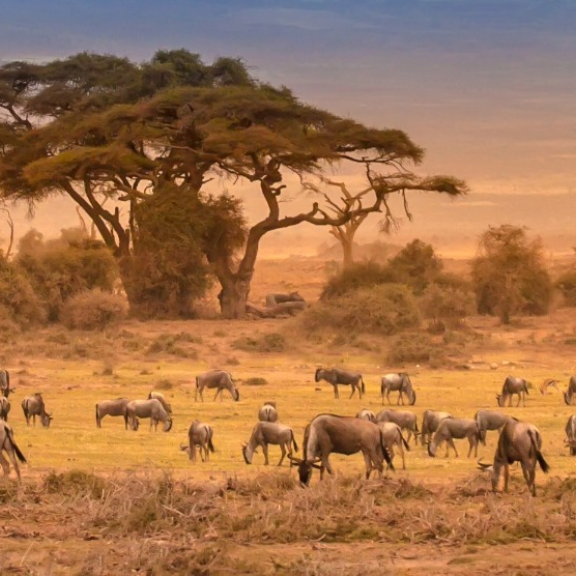
Emigrating to Kenya Visa, safety, costs, and climate in Kenya: a reality check
Emigrating to Kenya: The most important answers first
✓ eTA instead of a visa: An electronic travel authorization is required; since the introduction of the eTA, a visa is no longer needed.
✓ An economy with opportunity: One of the stronger economies in East Africa, with opportunities in services and trade.
✓ Security situation: The country is generally safe, but there are higher-risk regions.
✓ Healthcare: Nairobi offers emergency and basic medical care, but access to healthcare outside the capital is challenging.
✓ A diverse climate: The coast is tropical, the highlands are milder, and the north is dry — with two rainy seasons throughout the year.
✓ Language skills: English and Swahili are the country’s official languages, but Swahili is generally more useful in everyday life.
✓ Special feature: Kenya combines economic momentum, safari experiences, the Rift Valley, mountains, and the Indian Ocean..
✓ Moving with pets: Careful preparation is essential, including an import permit as well as health and vaccination documents.
Make moving easy with DACHSER & KOLB. Use our moving cost calculator. Get a quote and consultation. Book a tour. Move.
Facts about Kenya

Capital City
Nairobi

Population
54.03 million

Surface Area
224,960.88 mi² or 582,646 km²

Continent
Africa

Official Language
Swahili, English

Currency
Kenia-Schilling (KES)
What are the customs, visa, and entry requirements for Kenya?
German citizens are required to obtain an eTA before traveling. Entry itself, however, remains at the discretion of border authorities. For longer stays, employment, or project-based assignments, tourist entry documents are not sufficient. Additional permits are required in these cases. Customs-related matters should also be reviewed early, as cash, weapons, drugs, and certain goods are subject to strict regulations.
Documents required for entry:
- Passport: Yes
- Temporary passport: Yes
- National ID card: No
- Temporary national ID card: No
- Child passport: Yes
Tip for expats: Entry into Kenya may seem digital and straightforward, but the real mistakes usually happen later. First clarify the eTA, purpose of stay, work status, and import requirements properly, then time the move accordingly.

Economy in Kenya: What opportunities are there for expats?
Kenya is one of the more important economies in East Africa. Further growth is expected, but the market remains demanding. Fiscal pressure, regional disparities, and purchasing power issues are all part of the reality. Even so, Kenya remains attractive for skilled professionals, entrepreneurs, and international projects, especially where strong networks, market knowledge, and reliable funding come together.
Key facts at a glance:
- A solid growth market in East Africa, with average GDP growth of 4–5% per year (2004–2025).
- Income distribution: Gini coefficient = 37.7 (0 = perfect equality; 100 = maximum inequality)
- A strong hub for trade and services
- Opportunities in logistics, construction, and infrastructure
- Digital and technology sectors remain relevant
- Purchasing power and wealth are unevenly distributed across regions
- A financial buffer remains important
Tip for expats: Kenya is not a low-cost market with guaranteed easy wins. Anyone who wants to succeed there needs a clear business case, strong local contacts, and a realistic cost framework.
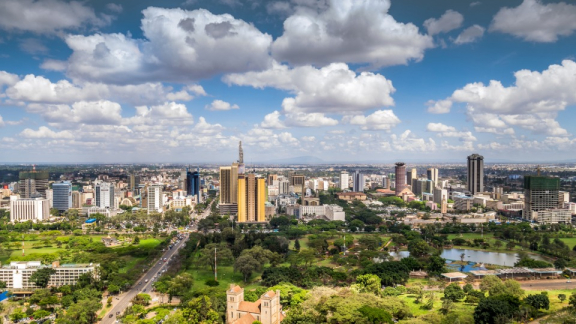
Safety in Kenya: What do expats need to know?
Kenya faces an elevated risk of terrorist attacks. The areas of greatest concern are the border region with Somalia, parts of the coast around Lamu, and certain areas of the North Rift region. At the same time, everyday crime in Nairobi and Mombasa is a real issue, including robberies, carjackings, and attacks after dark.
What expats should know:
- Avoid the border region with Somalia
- Lamu and Manda should only be visited with increased caution
- Parts of the North Rift region are particularly sensitive
- There is an increased risk of robbery in Nairobi and Mombasa
- Avoid traveling at night and spontaneous overland trips
- Stay well clear of demonstrations and large crowds
Tip for expats: In Kenya, risk depends not just on the country itself, but very much on the specific region. Anyone who plans their place of residence, commute, and daily routines professionally can significantly reduce operational risk.
What is the healthcare system like in Kenya?
Kenya’s healthcare system is usable for expats. In Nairobi, both public and private providers offer emergency and basic medical care, but outside the greater Nairobi area, specialist staff are often limited. Additional risks include counterfeit medications and tropical diseases. There are no mandatory vaccinations for direct travel from Germany, but proof of yellow fever vaccination is required when entering from yellow fever risk areas. Below 2,500 meters, there is a high year-round risk of malaria, while central Nairobi is considered malaria-free.
At a glance:
- No mandatory vaccinations for direct entry from Germany,
Hepatitis A and polio are recommended - Proof of yellow fever vaccination is required when entering from risk areas
- Malaria risk is high year-round below 2,500 meters, while central Nairobi is considered malaria-free
- In Nairobi there is emergency and basic medical care
- Private international health insurance and medical evacuation coverage are advisable
Tip for expats: In Kenya, healthcare is a setup issue. Good insurance, reliable access to clinics, mosquito protection, and an up-to-date vaccination status should all be in place before the move, not after arrival.

Are you planning to move to Kenya?
With structured preparation, you can avoid financial surprises. Our moving cost calculator provides clarity — it's simple, convenient, and takes just a few steps.
What is the climate like in Kenya?
Kenya has several clearly distinct climate zones. The coast is tropical, the highlands and central regions are milder to subtropical, and the north and northeast are dry to arid. Two rainy seasons are typical: the longer one usually runs from late March to May or mid-June, while the shorter one usually falls between October and November. During these periods, flooding, landslides, and damage to infrastructure can make everyday life significantly more difficult.
What the climate means for your daily life:
- Coast: tropical and humid
- Highlands: milder and often more comfortable
- North/Northeast: dry to arid
- Long rainy season: usually from spring to early summer
- Short rainy season: usually from October to November
- Heavy rainfall can affect mobility and logistics
Tip for expats: In Kenya, climate is a real location factor. Anyone who plans where to live, school routes, commuting distances, and container transit times without considering the rainy seasons is ignoring the on-the-ground reality unnecessarily.
What shapes the language, culture, and daily life in Kenya?
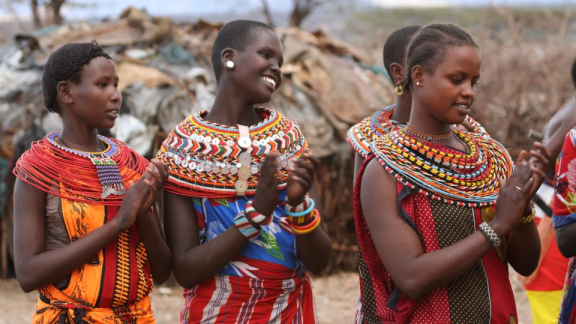
English and Swahili are the official languages, which means international expats can usually manage well in professional settings and when dealing with authorities. At the same time, Kenya is culturally very diverse. Numerous ethnic groups, regional differences, and a strongly relationship-driven daily life shape the reality on the ground. If you want to get up and running quickly, English will take you far. If you want to truly settle in, Swahili and cultural sensitivity will give you an additional advantage.
What really helps in everyday life:
- English is important for work and administration
- Swahili is essential in everyday life
- Strong ethnic and regional diversity
- Urban and rural life work differently
- Building relationships makes everyday life much easier
- Cultural sensitivity reduces friction
Tip for expats: English will get you far in Kenya. Swahili and a good feel for local processes will take you even further — especially outside purely international expat structures.
What makes Kenya special?
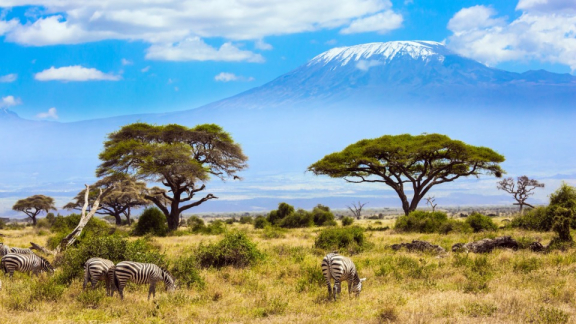
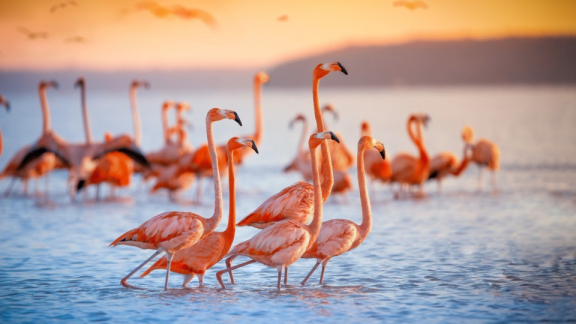
Kenya stands out for its unusually strong combination of nature, geography, and international connectivity. The country brings together the Indian Ocean, highlands, savannas, Mount Kenya, and the Rift Valley within one landscape. One of its most distinctive features is the Kenya Lake System in the Great Rift Valley: for much of the year, up to 4 million lesser flamingos move back and forth between the alkaline lakes there – a natural spectacle with truly unique appeal.
In detail:
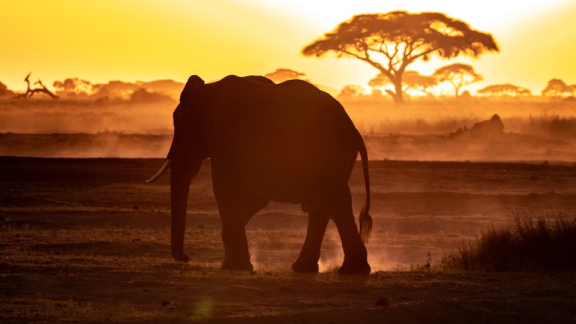
- Safari and wildlife with global appeal
- The Rift Valley as a defining landscape feature
- Coastline along the Indian Ocean
- Mount Kenya as the country’s highest mountain
- The Kenya Lake System as a UNESCO World Heritage Site
- Exceptional birdlife and natural spectacles
Tip for expats: Kenya offers far more than safari clichés. The country combines a distinctive natural setting, strong international connectivity, and genuine East African dynamism. That is exactly what makes it so special.
What should you bear in mind when moving to Kenya with animals?
A move with pets to Kenya is a formal process and should be prepared early. In addition to transportation, veterinary documentation, deadlines, and vaccinations need to be coordinated. An import permit is required for dogs and cats. This includes, among other things, an EU pet passport or export health certificate, a current veterinary health certificate, and proof of up-to-date vaccinations.
What you should keep in mind:
- Check the required vaccinations early, and note that rabies vaccination is mandatory
- Prepare all veterinary documents completely and accurately
- Train your pet to use the travel crate before the flight
- Coordinate entry requirements and airline regulations
- Minimize stress for your pet on moving day
- Actively support your pet’s adjustment to the new home
- A Pet Import Licence is required
- An EU pet passport or Export Health Certificate is required
Tip for expats: When relocating with pets to Kenya, speed is not the priority — document accuracy is. Anyone who aligns vaccination status, health certificates, permits, and travel dates properly can avoid the usual last-minute problems.

For whom is Kenya a suitable destination for emigration?
Kenya is especially well suited to people looking for opportunities in East Africa who can also handle a higher level of day-to-day complexity. The country is a strong fit for expatriate professionals, entrepreneurs, project leads, international organizations, and individuals connected to trade, logistics, development, tech, or tourism.
Checklist before emigrating to Kenya:
✓ Check entry requirements and residence regulations for Kenya
✓ Secure health insurance and medical care coverage in Kenya
✓ Choose the right place to live in Kenya and arrange your initial accommodation
✓ Plan your emigration budget for Kenya, including a financial buffer
✓ Prepare your move to Kenya carefully, including household goods and documents
✓ Use English and make everyday life easier with some Swahili
Conclusion: Emigrating to Kenya can be highly attractive, especially because of its economic prospects, international connectivity, and exceptional natural environment. At the same time, the country requires a realistic view of security, healthcare, and day-to-day organization.


FAQs for emigrating to Kenya
What do I need to consider when emigrating to Kenya?
Anyone planning to emigrate to Kenya should start by carefully planning their entry requirements, residence status, health insurance, place of residence, security situation, and budget. Especially for a longer stay, thorough preparation and realistic expectations for daily life are essential.
What are the entry requirements for Kenya?
For entry into Kenya, an electronic travel authorization, or eTA, is generally required in advance. It must be applied for online, but it does not guarantee automatic entry and should be arranged well before departure.
Is Kenya a safe country to emigrate to?
Kenya should be assessed with nuance from a security perspective. There are regions with elevated risk, and in cities such as Nairobi and Mombasa, crime, residential location, and a safety-conscious approach to everyday life all play an important role.
What is the healthcare system like in Kenya?
Kenya’s healthcare system is significantly better developed in Nairobi than in many rural areas. For expats, this makes strong international health insurance, reliable access to clinics, and a realistic view of medical standards especially important.
What language is spoken in Kenya?
The official languages of Kenya are English and Swahili. English is very important in professional settings and when dealing with authorities, while Swahili often helps you settle into everyday life more quickly.
What is the climate like in Kenya?
Kenya’s climate varies significantly by region. The coast is tropical and humid, the highlands are generally milder, and the northern parts of the country are much drier, which is why location choice and rainy seasons should be taken into account when planning an emigration.
Who is Kenya a suitable emigration destination for?
Kenya is especially well suited to people looking for opportunities in East Africa who are comfortable operating in a dynamic environment. The country is particularly attractive for entrepreneurs, skilled professionals, project-based work, international organizations, and people interested in trade, logistics, tourism, or digital sectors.
Are you interested in moving to Kenya or another destination country?
Then do not hesitate and contact us today.
Sabrina Klier
Customer Service & Sales - AIR & SEA