Emigrating to Norway Visa, safety, costs, and climate in Norway: a reality check
Emigrating to Norway: The most important answers first
✓ Visa-free entry: Entry is possible without a visa, but registration is required for longer stays.
✓ A strong and stable economy: Opportunities exist especially in energy, industry, healthcare, and engineering.
✓ A generally stable security situation: Petty crime is low, but natural and weather-related risks should be taken seriously.
✓ A publicly organized healthcare system: Access depends heavily on proper registration.
✓ A contrasting and rugged climate: The coast is milder, while inland areas and the north are significantly colder.
✓ Language skills: English helps at the beginning, but Norwegian is clearly an advantage in everyday life.
✓ What makes it stand out: Fjords, the midnight sun, and a strong outdoor culture shape the country.
✓ Moving with pets: Good preparation, pet documentation, and veterinary requirements are necessary.
Relocating made easy with DACHSER & KOLB. Use our moving cost calculator. Get a quote and consultation. Book a tour. Move.
Facts about Norway

Capital City
Oslo

Population
5.6 million

Surface Area
148,729.25 mi² or 385,207 km²
Continent
Europe

Official Language
Norwegian

Currency
norwegian krone (NOK)
What are the customs, visa, and entry requirements for Norway?
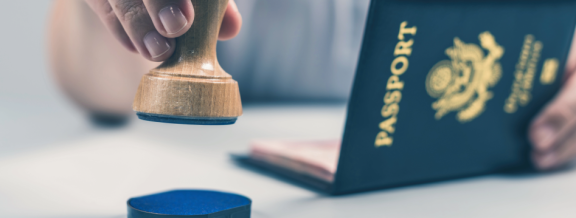
For German citizens, a passport or ID card is sufficient for entry, and no visa is required. Anyone staying longer than three months must register. Anyone planning to live in Norway for at least six months must report the move and, if the requirements are met, will be recorded as a resident. In addition, a valid biometric passport is advisable for relocation, because many Norwegian authorities do not always accept the ID card.
Documents required for entry:
- Passport: Yes
- Temporary passport: Yes
- National ID card: Yes (although not accepted everywhere)
- Temporary national ID card: Yes (although not accepted everywhere)
- Child passport: Yes
Tip for expats: Norway appears formally easy to access, which is why registration, reporting obligations, and document preparation are often underestimated. First get the legal framework in place properly, then coordinate housing, job start, and the move.
What are the economic conditions and standard of living like in Norway for immigrants?
Norway remains economically strong and comparatively stable. The economy benefits from energy, the maritime sector, industry, and a robust domestic market, while further growth is also expected in the coming years. At the same time, Norway is expensive. Place of residence, everyday costs, and salary levels therefore need to be assessed together.
Key facts at a glance:
- Robust growth, including compared with the EU, with average GDP growth of 2–3% per year (1979–2025).
- Income distribution: Gini coefficient = 26.5 (0 = perfect equality; 100 = maximum inequality)
- Strong energy sector
- Maritime industries remain important
- Good opportunities in healthcare, industry and engineering
- Labor market with a high employment rate
- Calculate living costs realistically
Tip for expats: In Norway, looking only at the salary is not enough. Whether the move is worthwhile depends on the overall package of housing costs, taxes, mobility, cost of living, and location.
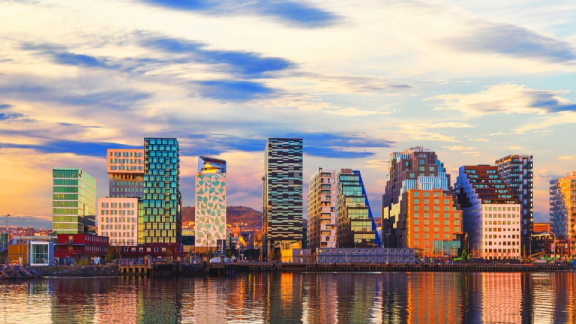
Safety in Norway: What do expats need to know?
Norway is generally a very safe emigration destination. Crime rates are comparatively low, but pickpocketing does occur, especially in heavily frequented places and on public transport. In addition, there are relevant natural and weather-related risks: in the mountains, heavy snowfall, avalanches, landslides, and local flooding are real issues, while in summer some regions face forest fire risk.
What expats should know:
- Crime rates are comparatively low
- Pickpocketing is possible in hotspots
- Terrorism risk exists in the abstract
- Avalanches and landslides are relevant in mountain areas
- Local flooding is possible during snowmelt
- Forest fire risk during dry summer periods
Tip for expats: Security is rarely a major issue in Norway. Anyone who protects valuables and takes weather and natural conditions seriously can reduce everyday risks significantly.
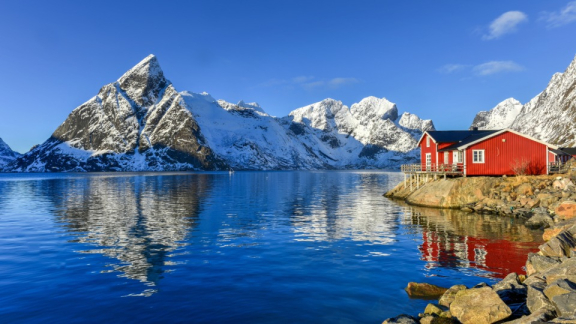
What is the healthcare system like in Norway?
Norway’s healthcare system is publicly organized and highly structured. Anyone who is registered as a resident in the National Population Register is entitled to a general practitioner. Anyone who only has a D-number is generally not entitled to this, apart from a few exceptions. Access to healthcare in Norway therefore depends strongly on registration, not just on where you live.
At a glance:
- Publicly organized healthcare system
- Access to a general practitioner for registered residents
- Registration in the population system is central
- A D-number alone is usually not enough
- Municipalities are responsible for basic healthcare
- Additional insurance can be useful in individual cases
Tip for expats: In Norway, healthcare is above all a structural issue. Anyone who clarifies registration, identification number, and access to the GP system early saves time and uncertainty later on.

Are you planning to move to Norway?
With structured preparation, you can avoid financial surprises. Our moving cost calculator provides clarity — it's simple, convenient, and takes just a few steps.
What is the climate like in Norway?
Norway does not have one single uniform climate, but strong regional differences. Because of the Gulf Stream, the coast is milder in many places than the geographic location would suggest, while inland areas and the north are much colder. Coastal regions are often wetter and more changeable. Inland, winters are colder and snowier, and in the north the midnight sun and northern lights shape the yearly rhythm.
What the climate means for your daily life:
- The coast is usually milder and wetter
- Inland areas are colder and snowier
- The north is shaped by a much more Arctic climate
- Weather can change quickly
- Midnight sun in the north during summer
- Dark winter months are very noticeable in some regions
Tip for expats: Climate is a decisive location factor in Norway. Anyone who treats Oslo, the fjord region, and northern Norway as if they were the same misses the reality of everyday life.
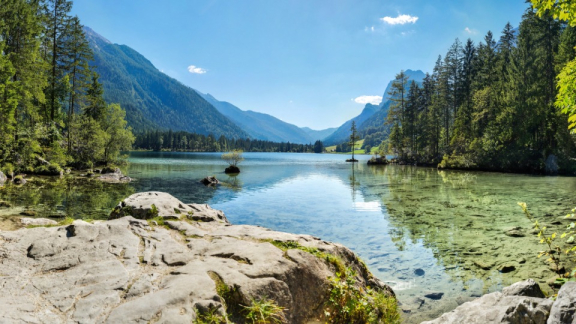
Diversity in Norway? – Language, culture, and everyday life
Norwegian is the key language of everyday life and has two equal written forms, Bokmål and Nynorsk. English often helps well at the beginning, but for long-term integration, dealing with authorities, many jobs, and everyday social life, Norwegian offers a clear advantage. Culturally, Norway is strongly shaped by closeness to nature, personal responsibility, and a rather reserved but reliable style of communication. This is also reflected in daily life: friluftsliv, or life outdoors, is part of the country’s social identity.
What really helps in everyday life:
- Norwegian is the everyday language
- Bokmål and Nynorsk are equal in status
- English helps, but does not replace Norwegian
- Communication is often matter-of-fact and reserved
- Closeness to nature shapes daily life
- Outdoor life is deeply rooted in the culture
Tip for expats: Anyone who really wants to settle in Norway should not only learn the language, but also understand the cultural code. That is exactly what accelerates integration, trust, and the pace of everyday life.
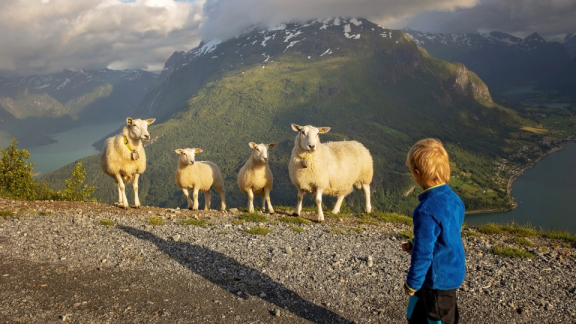
What makes Norway special?
Norway stands out through its combination of nature, prosperity, and social stability. Fjords, mountains, coastlines, northern lights, and the midnight sun are not just tourist motifs, but shape the country’s way of life. At the same time, the outdoor principle is deeply rooted in the culture and makes the location particularly attractive for many expats.
In detail:
- Fjords as an international hallmark
- Midnight sun and northern lights
- Strong outdoor culture
- Strong connection to nature in everyday life
- A lot of peace and open space outside the urban centers
- High quality of life as a location advantage
Tip for expats: Norway is especially suitable for people who are looking not just for a job, but for a living environment defined by nature, structure, and reliability. That combination is the country’s strongest location advantage.

What should you bear in mind when moving to Norway with animals?
A move with pets to Norway is generally well manageable, provided it is a non-commercial relocation and the animals travel with you. What matters are complete documents, compliance with veterinary rules, and for dogs, additional restrictions in some cases. Norway also has banned dog breeds whose import is not permitted.
What you should keep in mind:
- Check your pet’s vaccination status early and prepare the pet documents in full
- Check veterinary requirements carefully and be aware of banned breeds
- Clearly prove that this is a non-commercial movement
- The animal must travel with the owner
- Coordinate entry requirements and airline rules
- Minimize stress for your pet on moving day
- Actively support your pet’s adjustment to the new home
- For dogs, additional rules may apply
Tip for expats: Moving pets to Norway is feasible, but it should be prepared היט formally. Anyone who checks the documentation and breed restrictions early saves stress, time, and unnecessary follow-up questions.

For whom is Norway a suitable destination for emigration?
Norway is especially well suited to skilled professionals, families, and people looking for a stable, nature-oriented, and structured environment. The country is particularly strong for profiles linked to engineering, energy, industry, healthcare, or maritime sectors. Norway is less suitable for anyone expecting low living costs or wanting to start without language readiness and without a registration plan.
Checklist before emigrating to Norway:
✓ Check entry requirements and residence regulations for Norway
✓ Secure health insurance and medical care coverage in Norway
✓ Choose the right place to live in Norway and arrange your initial accommodation
✓ Plan your emigration budget for Norway, including a financial buffer
✓ Prepare your move to Norway carefully, including household goods and documents
✓ Use English and settle into everyday life faster with Norwegian
Conclusion: Norway is a strong emigration destination for anyone looking for stability, nature, and a high quality of life. The good labor market, reliable public systems, and the close connection between everyday life, safety, and outdoor culture are what make the country attractive.


FAQs for emigrating to Norway
Do I need a visa for Norway?
No. German citizens can enter Norway with a valid passport or ID card. Anyone who wants to stay longer than three months must register as an EU/EEA citizen. If the stay exceeds six months, reporting the move also becomes relevant.
What do I especially need to consider when emigrating to Norway?
Anyone planning to emigrate to Norway should not only plan entry, but above all settlement. Key points are registration, tax card, reporting the move, identification number, choice of place of residence, health insurance, and a realistic budget for the high cost level.
Is Norway a good country to work in?
Yes, especially for qualified professionals. Norway has a high employment rate, a structurally strong labor market, and good opportunities in areas such as energy, industry, healthcare, construction, transport, and the maritime economy.
How high is the cost of living in Norway?
Norway is not a low-cost emigration destination. Especially in cities and metropolitan areas, rents and everyday costs are significantly higher than in many other European countries, while price differences between in-demand cities and rural regions are clearly noticeable.
How does the healthcare system work in Norway?
The healthcare system is publicly organized. Anyone registered as a resident in the National Population Register is entitled to a general practitioner. What matters, therefore, is not just the move itself, but registration in the system.
What language do I need in Norway?
Norwegian is the key language of everyday life. English helps at the beginning, especially in international contexts, but for long-term integration, authorities, many jobs, and daily life on the ground, Norwegian offers a clear advantage.
Can I emigrate to Norway with a dog or cat?
Yes. Moving with a dog, cat, or ferret to Norway is generally well manageable if the animals travel with you and are not intended for sale. What matters most are the veterinary requirements, complete documentation, and in the case of dogs, additional rules depending on the exact situation.
Are you interested in moving to Norway or another destination country?
Then do not hesitate and contact us today.
Sabrina Klier
Customer Service & Sales - AIR & SEA