Emigrating to Peru Visa, safety, costs, and climate in Peru: a reality check
Emigrating to Peru: The most important answers first
✓ Visa-free entry: Entry is possible without a visa, but registration is required for longer stays.
✓ An economy with potential: Opportunities exist especially in logistics, mining, infrastructure, services, and certain niche markets.
✓ A nuanced security situation: Peru is not generally unsafe, but crime, protests, and higher-risk regions are relevant factors.
✓ Healthcare varies by region: Private healthcare in Lima is solid, while medical care in rural areas is significantly weaker.
✓ Climate depends on location: The coast, the Andes, and the Amazon region differ dramatically in terms of climate.
✓ Language skills: Spanish is the most important tool for everyday life, while Quechua and Aymara also play a role in certain regions.
✓ What makes Peru stand out: Peru combines the Pacific coast, the high Andes, the Amazon region, and Inca heritage in one country.
✓ Moving with pets: Health records, vaccination documents, and entry paperwork need to be carefully prepared and coordinated.
Make moving easy with DACHSER & KOLB. Use our moving cost calculator. Get a quote and consultation. Book a tour. Move.
Facts about Peru

Capital City
Lima

Population
34.05 million

Surface Area
798,461.98 mi² or 1,285,000 km²
Continent
South America

Official Language
Spanish, Aymara, Quechan language

Currency
Peruvian Sol (PEN)
What are the customs, visa, and entry requirements for Peru?
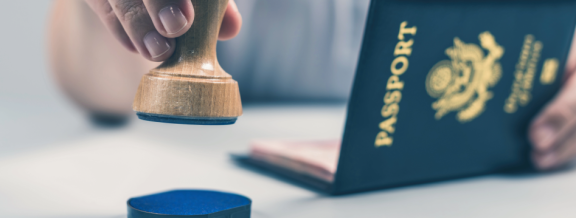
German citizens do not need a visa for tourist stays of up to 90 days per half-year. For permanent residence, resident immigration categories become relevant, followed by the Carné de Extranjería. Border authorities determine the approved length of stay on a case-by-case basis. When entering through international airports and seaports, this is recorded electronically rather than stamped in the passport in the traditional way.
Documents required for entry:
- Passport: Yes
- Temporary passport: Yes
- National ID card: No
- Temporary national ID card: No
- Child passport: Yes
Tip for expats: Entry into Peru may seem straightforward, but the real mistakes usually happen later. First make sure your purpose of stay, status, and documents are properly set up, then schedule the move.
Economy in Peru: What opportunities are there for expats?
Peru is not an easy-win market economically, but it is a growing market with real substance. At the same time, despite recurring political crises, Peru is still regarded as a relatively stable business location with strong potential, especially in logistics, mining, and infrastructure. From an economic standpoint, Peru is best suited to people with a clear business model, a local network, and realistic expectations when it comes to processes, permits, and regional differences.
Key facts at a glance:
- A solid growth market in South America, with average GDP growth of 3–4% per year (1980–2025).
- Income distribution: Gini coefficient = 40.1 (0 = perfect equality; 100 = maximum inequality)
- Potential in logistics and mining
- Opportunities in infrastructure and water projects
- Services and tourism remain relevant
- Political crises slow the market down, but they do not stop it
- A financial buffer and market knowledge remain important
Tip for expats: Peru is not a market for spontaneous gut decisions. Anyone entering with a clear business model, a strong local network, a capital buffer, and a solid setup will be in a much better position.
Safety in Peru: What do expats need to know?
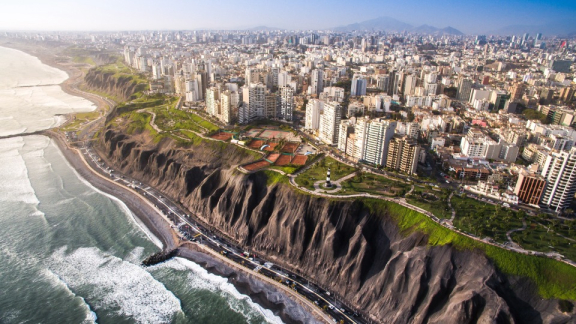
Peru should be assessed with a clear-eyed view from a security perspective. Demonstrations, regional states of emergency, and a high crime rate in certain urban areas are part of the reality. Large crowds, low-income neighborhoods, bus terminals, markets, and certain overland routes are particularly relevant. In Lima, theft also occurs in frequently visited districts such as Miraflores and Barranco, especially in the evening.
What expats should know:
- Demonstrations and roadblocks occur repeatedly
- Some regions are under a state of emergency
- Crime in major cities is a relevant issue
- Public transportation and bus terminals are sensitive areas
- Avoid night travel on certain overland routes
- Choose your residential area and daily routes carefully
Tip for expats: In Peru, what often matters most is not the country in the abstract, but the reality of everyday life on the ground. Anyone who plans their place of residence, routes, and routines strategically can significantly reduce friction and risk.
What is the healthcare system like in Peru?
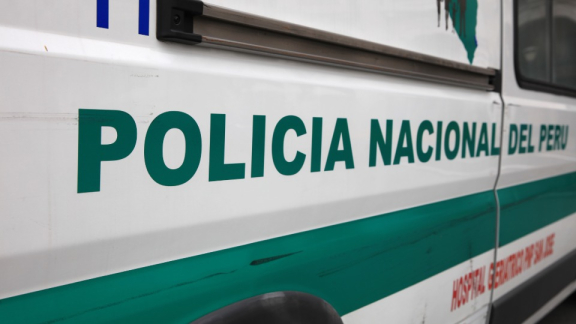
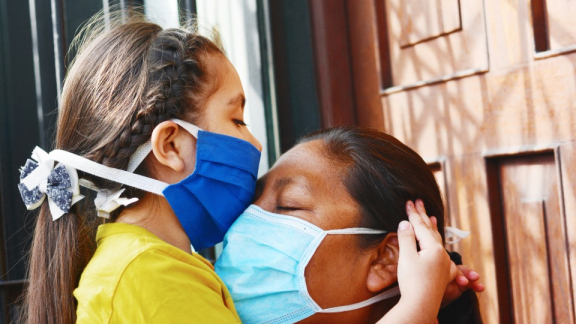
Peru’s healthcare system is clearly divided by region. In Lima’s private sector, healthcare is generally solid, but in the public sector and in rural areas, the quality of care can drop off significantly. Even in Cusco, treatment options are often insufficient for severe cases. Depending on the region, additional health concerns include yellow fever, malaria, dengue, hygiene-related issues, and at elevations above about 2,500 meters, altitude sickness.
At a glance:
- Private healthcare in Lima is better than the national average
- Public healthcare is more limited
- Rural areas are in some cases significantly weaker in terms of medical care
- Hepatitis A is advisable as a travel vaccination
- Yellow fever is recommended for certain lowland regions
- Altitude sickness is a real issue in the highlands
- There is a risk of malaria, although highland destinations such as Machu Picchu, Cusco, and Lake Titicaca are considered malaria-free
Tip for expats: In Peru, healthcare is a location issue. Good insurance, reliable access to clinics, and a realistic view of altitude, climate, and hygiene make all the difference.
Are you planning to move to Peru?
With structured preparation, you can avoid financial surprises. Our moving cost calculator provides clarity — it's simple, convenient, and takes just a few steps.
Weather, temperatures, and seasons – what is the climate like in Peru?
Peru does not have a single uniform climate, but three very distinct major regions. The coast is dry, the Andes are highly dependent on elevation, and the Amazon region is hot and humid. That is exactly what makes Peru attractive, but also challenging when it comes to choosing where to live, managing daily life, and planning a move. Anyone emigrating to Peru should therefore choose their location based on the climate zone. Lima, Cusco, and Iquitos are climatically almost like three different worlds.
What the climate means for your daily life:
- Costa: very dry, in some areas with a desert climate
- Sierra: cooler, elevation-dependent, and with a rainy season
- Amazonia: hot, humid, and with heavy rainfall
- The rainy season in the Andes is mainly from December to March
- El Niño can intensify weather extremes and infrastructure problems
- Climate and altitude have a noticeable impact on quality of life
Tip for expats: In Peru, climate is not a side issue. Anyone who does not clearly distinguish between the coast, the highlands, and the Amazon can quickly make the wrong location decision.
Diversity in Peru? – Language, culture, and everyday life
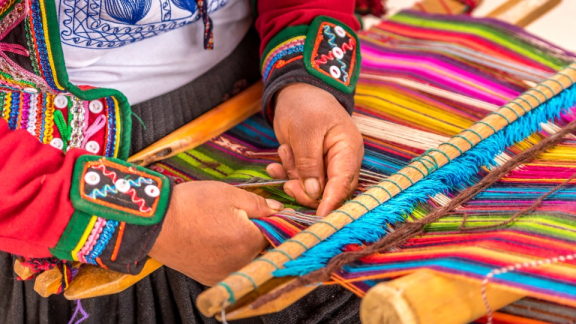
In everyday life, Spanish is clearly the main key. Quechua and Aymara have official status in the regions where they are especially widely spoken. At the same time, Peru is culturally very diverse. Indigenous, Spanish, and other influences shape the language, cuisine, crafts, and everyday culture. Urban and rural life function very differently. Culturally, Peru is a strong fit for people who appreciate diversity and are open to regional differences. Anyone expecting a single, uniform image of Latin America will be oversimplifying the country.
What really helps in everyday life:
- Spanish is essential in everyday life
- Quechua and Aymara are regionally important
- Urban life differs significantly from rural life
- Regional identities strongly shape the country
- Cuisine and festivals play a major cultural role
- Patience and relationship-building help in everyday life
Tip for expats: Good Spanish makes life in Peru much easier right away. Even more important, however, is not to lump the city, the highlands, and the Amazon together culturally.
What makes Peru special?
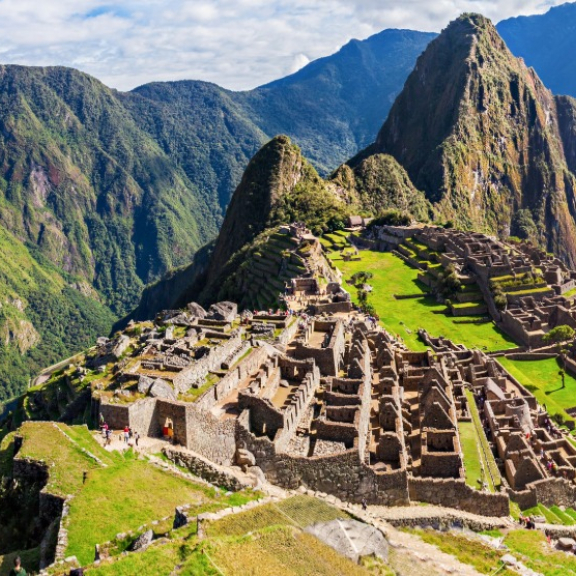
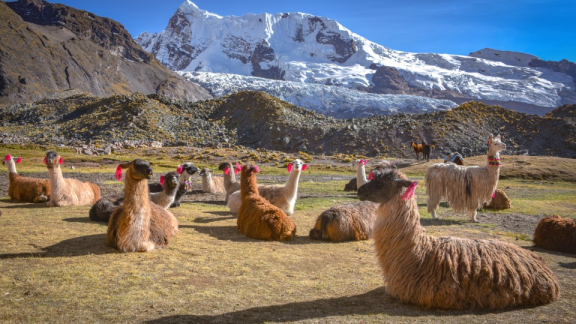
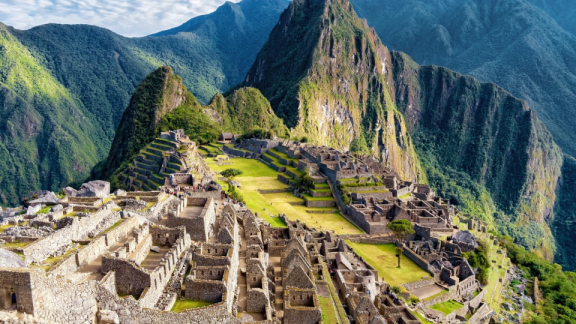
Peru stands out for its unusually strong combination of nature, history, and topography. The country brings together the Pacific coast, the Andes, and the Amazon region in three clearly distinct major areas. Added to that is Machu Picchu, one of the world’s best-known cultural and natural heritage sites. This very mix is what makes Peru such a distinctive emigration destination: it is not just beautiful, but also extremely varied both geographically and culturally.
In detail:
- A combination of coastline, highlands, and the Amazon
- Strong Inca heritage and a high density of archaeological sites
- Machu Picchu as a global symbol
- A broad range of landscapes
- High biodiversity
- A very distinct cultural identity
Tip for expats: Peru is ideal for people looking for more than just sunshine – it is a country defined by variety. It offers nature, history, and everyday life experiences in a density that is genuinely rare.
What should you bear in mind when moving to Peru with animals?
A move with pets to Peru should be prepared early and with great care. In addition to transportation, veterinary documentation, deadlines, vaccinations, and animal welfare all need to be coordinated properly. For entry, health certificates, vaccination records, and deworming documentation are particularly important. Checks are carried out by the responsible veterinary authorities at the points of entry.
What you should keep in mind:
- Check your pet’s vaccination status early
- Have deworming documentation ready
- Prepare all veterinary documents completely and accurately
- Train your pet to use the travel crate before the flight
- Coordinate entry requirements and airline regulations
- Minimize stress for your pet on moving day
- Actively support your pet’s adjustment to the new home
- Plan for a veterinary inspection upon entry
Tip for expats: When relocating with pets to Peru, precision is what matters. Vaccination status, health documents, and flight logistics all need to align properly, otherwise a routine process can quickly turn into a problem. Missing or incomplete documents can significantly delay the process.

For whom is Peru a suitable destination for emigration?
Peru is especially well suited to people looking for diversity, nature, and everyday life in a Spanish-speaking environment. It is a strong fit for entrepreneurs with a niche focus, project-driven profiles, nature- and tourism-related work, and people who can navigate regional differences well. Peru is less suitable for those expecting administrative simplicity, high security standards, and an equally strong healthcare system everywhere in the country.
Checklist before emigrating to Peru:
✓ Check entry requirements and residence regulations for Peru
✓ Secure health insurance and medical care coverage in Peru
✓ Choose the right place to live in Peru and arrange your initial accommodation
✓ Plan your emigration budget for Peru, including a financial buffer
✓ Prepare your move to Peru carefully, including household goods and documents
✓ Use Spanish intentionally to make everyday life on the ground significantly easier
Conclusion: Emigrating to Peru can be highly attractive, especially because of its scenic diversity, cultural depth, and niche economic opportunities. At the same time, the country requires a realistic view of entry requirements, security, healthcare, and regional differences.


FAQs for emigrating to Peru
What do I need to consider when emigrating to Peru?
Anyone planning to emigrate to Peru should clarify entry requirements, residence status, health insurance, place of residence, budget, and security considerations early on. Because of the country’s strong regional differences, thorough preparation is especially important to ensure a smooth start to everyday life.
What visa and entry requirements apply to Peru?
For German citizens, tourist entry into Peru is generally visa-free for up to 90 days per half-year. However, anyone planning to live or work in Peru permanently will need the appropriate residence status and should prepare the required documents well in advance.
Is Peru a safe country to emigrate to?
Peru should be assessed with nuance from a security perspective. In larger cities, during demonstrations, at transportation hubs, and on certain routes, increased caution is advisable, which is why your place of residence, daily routines, and a realistic sense of security should all be taken into account when planning an emigration.
What is the healthcare system like in Peru?
Peru’s healthcare system varies significantly by region. In Lima, private healthcare is much better than in many rural areas, which is why strong international health insurance and reliable access to medical care are especially important for expats.
Welche Sprache spricht man in Peru?
The main languages spoken in Peru are Spanish, Quechua, and Aymara. In everyday life, Spanish is clearly the most important, while Quechua and Aymara also play a larger role in certain regions.
What is the climate like in Peru?
Peru’s climate depends heavily on the region. The coast is predominantly dry, the Andes are significantly cooler depending on elevation, and the Amazon region is hot and humid, which means that where you live and what daily life looks like depend greatly on your specific environment.
Who is Peru a suitable emigration destination for?
Peru is especially well suited to people looking for scenic diversity, everyday life in a Spanish-speaking environment, and a destination outside the usual mainstream expat countries. The country is particularly appealing to flexible expats, people interested in nature and culture, and those with a clear focus on niche markets, projects, or international contexts.
Are you interested in moving to Peru or another destination country?
Then do not hesitate and contact us today.
Sabrina Klier
Customer Service & Sales - AIR & SEA