Emigrating to the Philippines Visa, safety, costs, and climate on the Philippines: a reality check
Emigrating to the Philippines: The most important answers first
✓ Visa-free entry: Entry is possible without a visa for up to 30 days; the appropriate residence status is required for longer stays.
✓ An economy with solid growth: Agriculture remains important, and regional differences are significant.
✓ A nuanced security situation: The overall situation is generally stable, but caution is advised in certain regions.
✓ A two-tier healthcare system: Medical care is good in larger metropolitan areas, but significantly weaker in rural regions.
✓ A tropical, monsoon-driven climate: High humidity, typhoons, heavy rainfall, and flooding shape in many parts of the country.
✓ Language skills: The official languages are Filipino and English; English is especially helpful in everyday life and at work.
✓ Special feature: The country is distinctive for its combination of island diversity, tropical nature, and vibrant cultural heritage.
✓ Moving with pets: An import permit, health certificate, and complete documentation must be arranged in advance.
Relocating made easy with DACHSER & KOLB. Use our moving cost calculator. Get a quote and consultation. Book a tour. Move.
Facts about the Philippines

Capital City
Manila

Population
115.8 million

Surface Area
186,411.36 mi² or 300,000 km²
Continent
Asia

Official Language
Filipino, English

Currency
Philippine Peso (PHP)
What are the customs, visa, and entry requirements for the Philippines?
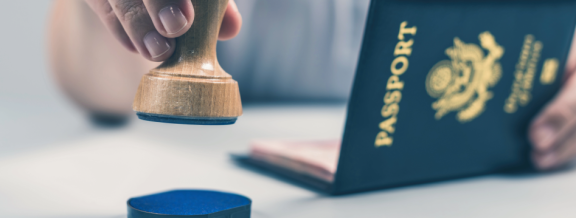
For German citizens, short trips are straightforward and possible without a visa for up to 30 days; only the official eTravel registration is required. It is free of charge and can be completed within 72 hours before arrival. For longer stays, different visa options may apply, such as the 9G Pre-arranged Employment Visa for employment, the 13A Immigrant Visa by Marriage, or the SRRV for retirement-based models.
Documents required for entry:
- Passport: Yes
- Temporary passport: Yes, in combination with a visa
- National ID card: No
- Temporary national ID card: No
- Child passport: Yes, provided it has not been extended or updated
Tip for expats: In the Philippines, entry is not the real issue — the key issue is the right long-term status. First get your purpose of stay, visa pathway, documents, and moving date properly aligned, then make the move.
Is the economy in the Philippines attractive?
The Philippines remain economically attractive because they continue to grow above average within Southeast Asia. The main drivers are a robust labor market, stable inflation, and comparatively strong domestic demand. At the same time, the country is not an easy-win location: productivity, SME development, and regional differences remain real operational issues.
Key facts at a glance:
- Robust growth, including compared with the EU, with average GDP growth of 3–4% per year (1982–2025).
- Income distribution: Gini coefficient = 39.3 (0 = perfect equality; 100 = maximum inequality)
- Services are the strongest sector of the economy
- Agriculture remains important in many regions
- Urbanization and infrastructure are creating new opportunities
- Regional differences remain pronounced
Tip for expats: From an economic perspective, the Philippines are especially suitable for people with a clear business model, a local network, and realistic expectations when it comes to processes. Anyone focusing only on low costs is missing the bigger picture.
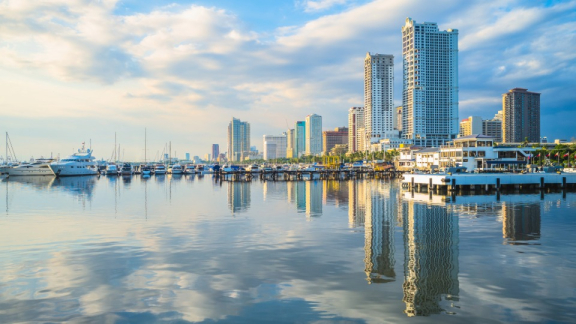
Safety on the Philippines: What do expats need to know?
The security situation varies considerably. A partial travel warning remains in place for several southern regions, including Zamboanga, parts of Region X, the BARMM, Soccsksargen, and the Sulu Archipelago. Travel is also discouraged to other parts of Mindanao and the Mindanao Sea, with the exception of places such as Davao City, Camiguin, Dinagat, and Siargao. The reasons include terrorism, kidnapping risks, and armed conflict.
What expats should know:
- Partial travel warning for several regions in Mindanao
- Elevated terrorism and kidnapping risk in the south
- Avoid demonstrations and large crowds
- Keep petty crime in cities and transport hubs in mind
- Choose your accommodation standard and location carefully
- Avoid night travel and spontaneous trips to sensitive regions
Tip for expats: The Philippines are not a blanket no-go destination, but the region makes the difference. Anyone who approaches location choice, travel routes, and everyday life strategically rather than romantically can reduce risk significantly.
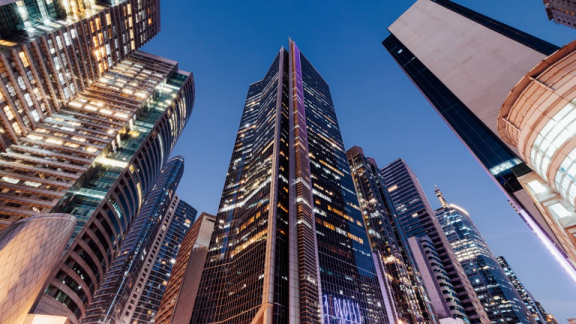
What is the healthcare system like on the Philippines?
The healthcare system is clearly split in two. In larger metropolitan areas such as Manila, medical care through private hospitals is well organized; in rural areas, it usually is not, including emergency services. Dengue, chikungunya, rabies, leptospirosis, and in some regions malaria also play a role in everyday life. In general, there are major inequalities in access to care and high out-of-pocket costs.
At a glance:
- No mandatory vaccinations for direct entry from Germany
- Proof of yellow fever vaccination only when entering from yellow fever risk areas
- Hepatitis A recommended
- For long-term stays, depending on exposure, dengue, hepatitis B, rabies, typhoid, and Japanese encephalitis may also be relevant
- Malaria risk varies by region; major cities are considered malaria-free
- Mosquito protection and drinking water hygiene are important in everyday life
Tip for expats: In the Philippines, healthcare is not a side issue. Good international health insurance, reliable access to private clinics, and consistent mosquito protection should all be planned before the move.

Are you planning to move to the Philippines?
With structured preparation, you can avoid financial surprises. Our moving cost calculator provides clarity — it's simple, convenient, and takes just a few steps.
What is the climate like on the Philippines?
The climate is tropical and strongly shaped by the monsoon. Rain-bearing winds dominate roughly from May to October, while drier periods are more typical from November to February. In addition, an average of around 20 typhoons pass through the Philippine area each year, especially during the rainy season. This regularly leads to flooding, landslides, and severe infrastructure damage.
What the climate means for your daily life:
- Warm year-round
- High humidity in many parts of the country
- Rainy season usually from May to October
- Drier period usually from November to February
- Typhoons especially from June to December
- Flooding and landslides are real everyday risks
Tip for expats: In the Philippines, climate is not a side issue. Anyone planning their place of residence, housing standard, and daily life without factoring in the monsoon, typhoons, and heavy rainfall can quickly make the wrong location choice.
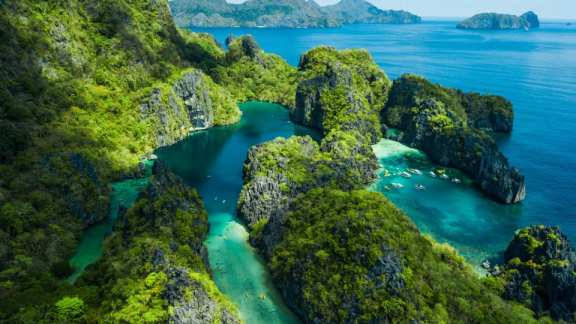
What shapes language, culture, and daily live on the Philippines?
The official languages are Filipino and English. That is exactly what makes the Philippines more accessible in everyday life for many expats than other countries in the region. At the same time, the country is culturally more diverse than first impressions may suggest: there are numerous regional languages and cultural identities. English works well as a bridge language, but it does not replace every local nuance.
What really helps in everyday life:
- Filipino and English are official languages
- English is widely used in professional life and in many services
- Regional languages such as Cebuano and Ilocano also shape everyday life
- The country is strongly shaped by regional cultures
- Family and social ties carry significant weight
- Strong English skills make getting started noticeably easier
Tip for expats: The Philippines are highly accessible from a language perspective. Precisely for that reason, the country should not be underestimated: English helps a great deal, but regional differences still matter.
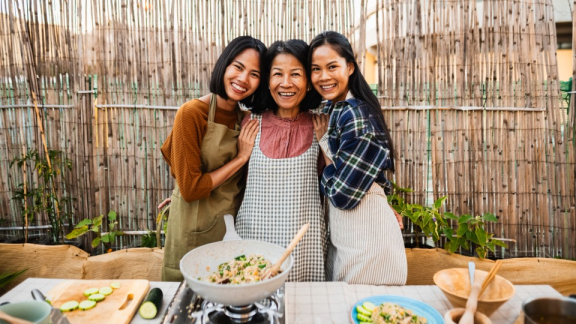
What makes the Philippines special?
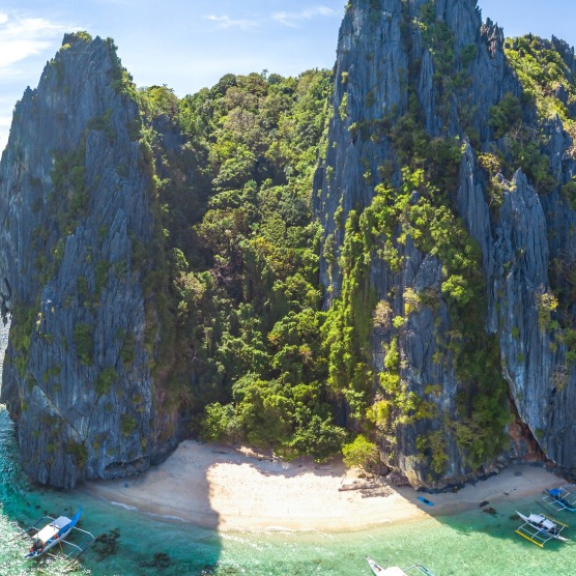
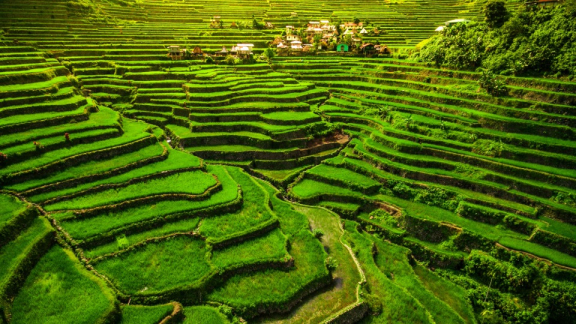
The Philippines stand out especially because of their combination of island diversity, tropical nature, and vibrant cultural heritage. One strong symbol of this is the Rice Terraces of the Philippine Cordilleras, which are recognized as an exceptional living cultural landscape and a UNESCO World Heritage Site dating back to pre-colonial times. This connection between natural environment, tradition, and everyday life makes the country much more distinctive than a simple beach destination.
In detail:
- Tropical island world with very high scenic diversity
- Highlands, beaches, and rainforest within a compact area
- The Rice Terraces of the Cordilleras as a UNESCO World Heritage Site
- Cultural diversity beyond the classic island cliché
- High recognizability through nature and everyday culture
- An island profile with a strong lifestyle and nature factor
Tip for expats: The Philippines are especially attractive for people looking not just for sunshine, but for a mix of nature, island life, and cultural diversity. That is a major part of the country’s appeal.
What should you bear in mind when moving to the Philippines with animals?
A move with pets is a formal process and should be prepared early. In addition to transport, veterinary documentation, deadlines, vaccinations, and animal welfare all need to be coordinated properly. For dogs and cats, importation must be applied for online in advance. The responsible authority requires a valid import permit, which is only valid for 60 days, and the complete documentation must be submitted online.
What you should keep in mind:
- Check your pet’s vaccination status early
- Prepare all veterinary documents completely in advance, including an international veterinary health certificate
- Train your pet to use the travel crate before the flight
- Coordinate entry requirements and airline regulations
- Minimize stress for your pet on moving day
- Actively support your pet’s adjustment to the new home
- The import permit is only valid for 60 days
- A maximum of three animals per single import
Tip for expats: When relocating with pets to the Philippines, speed is not the success factor – formality is. Anyone who does not properly align the permit, health certificate, and entry date will create unnecessary delays.

For whom are the Philippines a suitable destination for emigration?
The Philippines are especially well suited to people looking for a tropical environment, an English-friendly everyday life, and a generally more flexible pace of life. The country is a good fit for location-independent income models, tourism-related profiles, retirement solutions with a clean visa pathway, and expats who can actively manage regional differences.
Checklist before emigrating to the Philippines:
✓ Check entry requirements and residence regulations for the Philippines
✓ Secure health insurance and medical care coverage in the Philippines
✓ Choose the right place to live in the Philippines and arrange your initial accommodation
✓ Plan your emigration budget for the Philippines, including a financial buffer
✓ Prepare your move to the Philippines carefully, including household goods and documents
✓ Use English and make everyday life easier with some basic Greek
Conclusion: Emigrating to the Philippines can be highly attractive, especially because of the language, nature, island setting, and solid growth. At the same time, the country requires a realistic view of visas, climate, healthcare, and the very uneven regional security situation.

FAQs for emigrating to the Philippines
What do I need to consider when emigrating to the Philippines?
Anyone planning to emigrate to the Philippines should clarify visa requirements, residence status, health insurance, place of residence, security situation, and budget early on. Because infrastructure, medical care, and security vary greatly by region, solid preparation is essential.
What visa and entry requirements apply to the Philippines?
For German citizens, entry into the Philippines is generally visa-free for up to 30 days, provided they have a passport valid for at least six more months and a return or onward ticket. In addition, the official eTravel registration is required before entry.
How can you emigrate to the Philippines permanently?
Visa-free entry is not sufficient for a long-term stay. Depending on your model of life, different pathways may apply, such as employment-based visas, family-based residence options, or special retirement programs.
Are the Philippines a safe country to emigrate to?
The Philippines should be assessed with nuance from a security perspective. A partial travel warning remains in place for several regions in the south, while other parts of the country are much more usable. For expats, location choice, daily routes, and a realistic sense of security are therefore especially important.
What is the healthcare system like in the Philippines?
The healthcare system is clearly split by region. In Manila and other larger cities, private care is significantly better than in rural areas, which is why good international health insurance and reliable access to private clinics are especially important for expats.
What language is spoken in the Philippines?
The official languages in the Philippines are Filipino and English. English in particular is a real advantage for many expats, because it is widely usable in professional life, government settings, and everyday life across many regions.
Who is emigrating to the Philippines a good fit for?
The Philippines are especially well suited to people looking for a tropical environment, an English-friendly everyday life, and a generally more flexible pace of life. The country is particularly attractive for adaptable expats, location-independent income models, and people who can actively manage regional differences.
Are you interested in moving to the Philippines or another destination country?
Then do not hesitate and contact us today.
Sabrina Klier
Customer Service & Sales - AIR & SEA