Emigrating to Slovakia Visa, safety, costs, and climate in Slovakia: a reality check
Emigrating to Slovakia: The most important answers first
✓ Visa-free entry: For German citizens, entry is straightforward with either an ID card or a passport.
✓ An industry-driven economy close to the EU: Opportunities exist especially in automotive, IT, and services.
✓ A generally stable security situation: Mainly petty crime in tourist centers should be kept in mind.
✓ A publicly organized healthcare system: Clarify insurance status and registration early on.
✓ A climate with clear seasons: Warm summers, cold winters, and noticeable regional differences.
✓ Language skills: English helps at work, but Slovak is clearly an advantage in everyday life.
✓ What makes it stand out: The euro area, the High Tatras, castles, and thermal spas all within short distances.
✓ Moving with pets: Usually well manageable within the EU with an EU pet passport.
Relocating made easy with DACHSER & KOLB. Use our moving cost calculator. Get a quote and consultation. Book a tour. Move.
Facts about Slovakia

Capital City
Bratislava

Population
5.4 million

Surface Area
18,93 mi² or 49,035 km²
Continent
Europe

Official Language
Slovakian

Currency
Euro (EUR)
What are the customs, visa, and entry requirements for Slovakia?
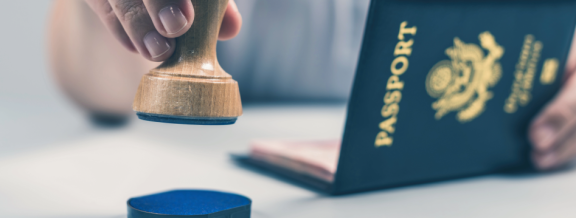
For German citizens, entry into Slovakia is simple because no visa is required and either a passport or ID card is sufficient. What matters, however, is that entry is only the first step, and for EU citizens additional reporting obligations apply after 10 days, while registration obligations apply after 3 months. Hotels often report the stay to the authorities automatically.
Documents required for entry:
- Passport: Yes
- Temporary passport: Yes
- National ID card: Yes
- Temporary national ID card: Yes
- Child passport: Yes
Tip for expats: Slovakia may seem easy as an EU destination, but reporting and registration obligations still need to be observed. Anyone who handles that properly early on avoids unnecessary administrative loops at the start.
Economy in Slovakia: What opportunities are there for expats?
Slovakia’s economy is strongly shaped by industry and closely integrated into European supply chains. The automotive sector is a key driver, while opportunities are also emerging in IT, healthcare, education, financial services, and technical and digital professions. Further economic growth is expected over the coming years.
Key facts at a glance:
- Robust growth, including compared with the EU, with average GDP growth of 3–4% per year (1996–2025).
- Income distribution: Gini coefficient = 21.7 (0 = perfect equality; 100 = maximum inequality)
- Automotive is the key sector
- Industry remains a strong employer, while IT and digital skills are in demand
- Healthcare, education, and financial services are growing
- The country’s EU-close location strengthens its appeal
Tip for expats: Slovakia is especially suitable if your profile fits industry, engineering, or international corporate structures. Anyone with strong professional relevance can significantly improve their opportunities in the job market.
Safety in Slovakia: What do expats need to know?
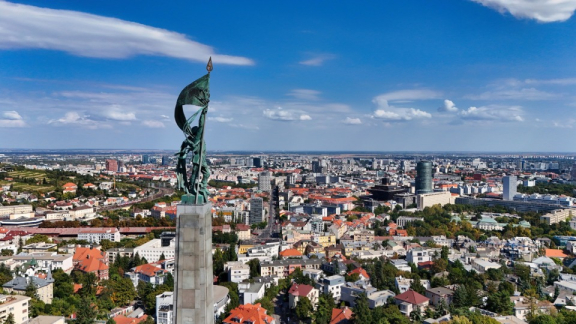
The security situation in Slovakia is generally stable. The most relevant risks are pickpocketing, car break-ins, and isolated robbery incidents in tourist centers such as Bratislava, the High Tatras, and spa towns.
What expats should know:
- Generally a safe emigration destination
- Petty crime in tourist centers
- Car break-ins occasionally relevant
- There are reports of drink spiking in some venues
- Be cautious at rest stops and gas stations
- Secure valuables consciously in everyday life
Tip for expats: In Slovakia, the security issue is above all an everyday-life topic. Anyone living in Bratislava or tourist regions should factor standard precautions in from the very beginning.
What is the healthcare system like in Slovakia?
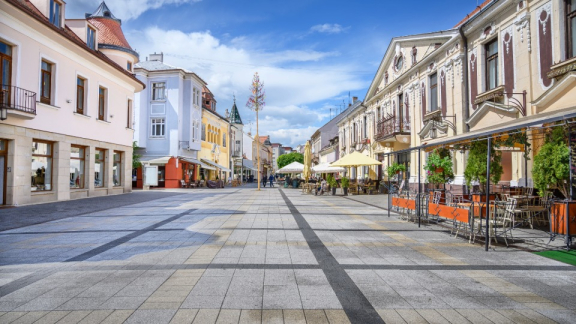
Slovakia’s healthcare system is based on public health insurance and is especially usable for expats when insurance status is clarified early. Anyone with a permanent residence base or suitable employment in Slovakia can be included in the public system. If that does not apply, commercial insurance becomes relevant.
At a glance:
- Public health insurance system
- Registration for permanent residence is important
- Employment can trigger mandatory insurance coverage
- Choice of general practitioner depends on insurance
- Without public coverage, a private solution is required
- Check insurance status before moving
Tip for expats: In Slovakia, healthcare is above all a structural issue. First clarify under which status you are insured, then set up doctor choice, documentation, and family coverage.

Are you planning to move to Slovakia?
With structured preparation, you can avoid financial surprises. Our moving cost calculator provides clarity — it's simple, convenient, and takes just a few steps.
What is the climate like in Slovakia?
Slovakia has a temperate climate with clearly defined seasons. The lowlands are warmer and drier, while the mountains are cooler and wetter. July is the warmest month and January the coldest. In the High Tatras, snow at higher elevations can remain from November to May.
What the climate means for your daily life:
- Four clear seasons
- Lowlands are warm and rather dry
- Mountains are cooler and more changeable
- July is usually the warmest month
- January is usually the coldest month
- Long snow periods are possible in the Tatras.
Tip for expats: Slovakia’s climate depends on the location. Anyone choosing between Bratislava, the central hills, and the Tatras is indirectly also deciding on housing comfort and everyday routines.
Diversity in Slovakia? – Language, culture, and everyday life
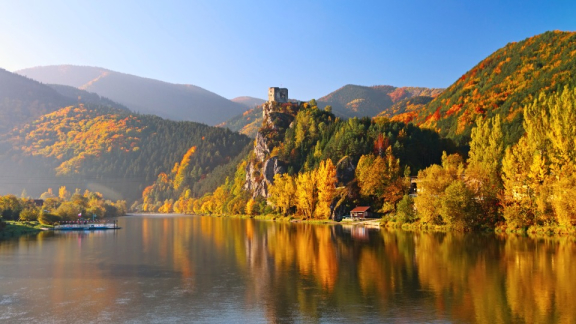
The official language in Slovakia is Slovak. In urban and international settings, English can work on the job, but integration becomes much better and easier with Slovak. At the same time, the country is culturally shaped by regional traditions, folklore, craftsmanship, and hearty cuisine. Typical elements include local festivals, customs, and specialties such as bryndzové halušky.
What really helps in everyday life:
- Slovak is the official language
- English helps especially in cities and at work
- Authorities and everyday life are often clearly Slovak-speaking in character
- Regional traditions and folklore remain strongly visible
- Hearty cuisine with local specialties
- Life in Bratislava is much more international than in the countryside
Tip for expats: Anyone who wants to settle in Slovakia long term should not only learn the language, but also actively engage with everyday culture. Even some Slovak, openness to local traditions, and a realistic view of the more formal administrative culture directly improve integration and quality of life.
What makes Slovakia special?
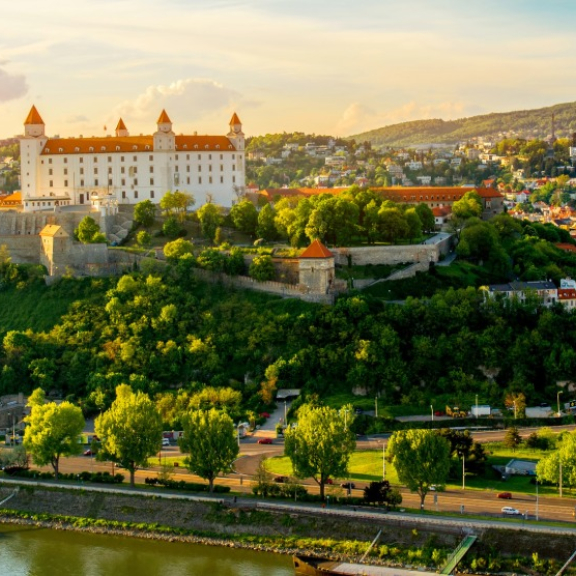
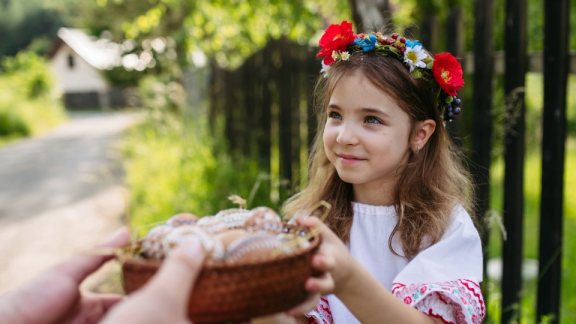
Slovakia stands out through a rare combination of EU comfort, natural density, and cultural substance. Within short distances, Bratislava, the High Tatras, castles, UNESCO sites, and traditional spa and thermal towns all come together. That is exactly what makes the country surprisingly strong as a place to live.
In detail:
- The High Tatras as a natural highlight
- More than 100 castles and chateaux
- Strong spa and thermal culture
- Several UNESCO sites
- Eurozone and Schengen advantages
- Short distances between city and nature
Tip for expats: Slovakia is especially interesting for people who want a high level of variety in a compact space. Exactly this combination of short distances, nature, and EU structure is one of the country’s greatest location advantages.
What should you bear in mind when moving to Slovakia with animals?
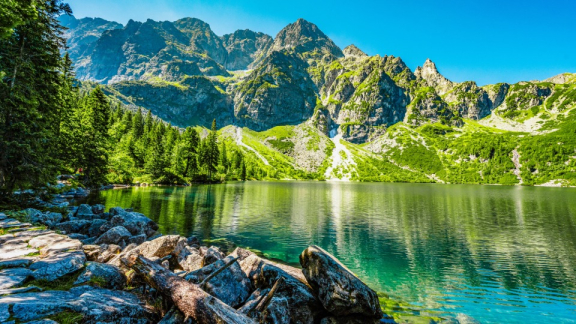
A move with pets to Slovakia within the EU is comparatively easy to plan. For dogs, cats, and ferrets, the EU pet passport and a valid rabies vaccination are the key requirements. If entering from a non-EU country, an EU health certificate is also required.
What you should keep in mind:
- Check your pet’s vaccination status early, as proof of rabies vaccination is required
- Prepare all veterinary documents completely in advance, with the EU pet passport being required
- Train your pet to use the travel crate before the flight
- Coordinate entry requirements and airline regulations
- Minimize stress for your pet on moving day
- Actively support your pet’s adjustment to the new home
Tip for expats: Relocating with pets to Slovakia should be well prepared formally. Anyone who checks vaccination status and documents early avoids unnecessary stress at the border or when traveling onward within the EU.
For whom is Slovakia a suitable destination for emigration?
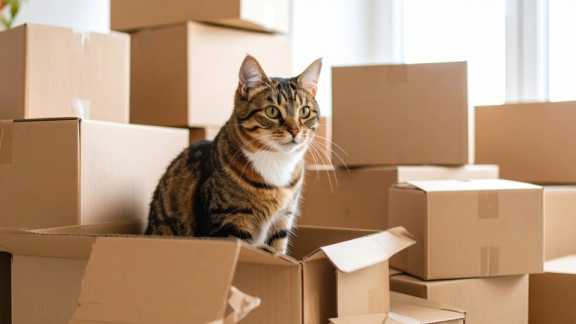
Slovakia is especially well suited to EU citizens, skilled professionals, commuters, and people looking for a structured fresh start in Central Europe. The country is particularly strong for profiles connected to industry, engineering, automotive, or international corporate environments. It is less suitable for anyone wanting to start without language readiness and without a clear job perspective.
Checklist before emigrating to Slovakia:
✓ Check entry requirements and residence regulations for Slovakia
✓ Secure health insurance and medical care coverage in Slovakia
✓ Choose the right place to live in Slovakia and arrange your initial accommodation
✓ Plan your emigration budget for Slovakia, including a financial buffer
✓ Prepare your move to Slovakia carefully, including household goods and documents
✓ Use English and make everyday life easier with some Slovak
Conclusion: Slovakia is a strong emigration destination for anyone who wants to make a structured, comparatively simple fresh start within the EU and still remain relatively close to Germany. Above all, the combination of eurozone membership, a strong Central European location, an industry-based economy, and plenty of nature makes the country attractive.

FAQs for emigrating to Slovakia
Do I need a visa for Slovakia?
No. German citizens can enter Slovakia with either a passport or an ID card. For longer stays, however, reporting and registration obligations apply: after ten days there is a reporting obligation, and for stays of more than three months registration of the right of residence becomes relevant.
What do I especially need to consider when emigrating to Slovakia?
Anyone planning to emigrate to Slovakia should clarify residence registration, health insurance, place of residence, job prospects, and everyday language early on. For EU citizens, the move is legally much easier than in many non-EU destinations, but organizationally it is still not automatic.
Is Slovakia a good country to work in?
Yes, especially for skilled professionals in industry, automotive, IT, healthcare, education, financial services, and technical professions. Slovakia is an important production location in Europe, and the labor market is looking for qualified professionals in several sectors.
How safe is Slovakia for expats?
Slovakia is generally a safe country. The most relevant issues are petty crime in tourist centers such as Bratislava, the High Tatras, and spa towns, as well as isolated fraud and robbery situations, for example involving drink spiking or incidents at rest stops.
How does the healthcare system work in Slovakia?
The system is based primarily on public health insurance. Anyone with the appropriate residence or employment status in Slovakia can fall under the public system. For long-term residence, registration is especially important, and if public coverage does not apply, private or commercial health insurance becomes relevant.
What language do I need in Slovakia?
The official language is Slovak. In professional settings, especially in multinational companies and larger cities, you can sometimes manage with English, but in everyday life involving authorities, medical care, and many local situations, Slovak is clearly an advantage.
Can I move to Slovakia with a dog or cat?
Yes. Within the EU, moving with a dog, cat, or ferret is comparatively straightforward if an EU pet passport and valid rabies vaccination are in place. When entering from non-EU countries, an EU health certificate and additional formal requirements apply.
Are you interested in moving to Slovakia or another destination country?
Then do not hesitate and contact us today.
Sabrina Klier
Customer Service & Sales - AIR & SEA